
Planting
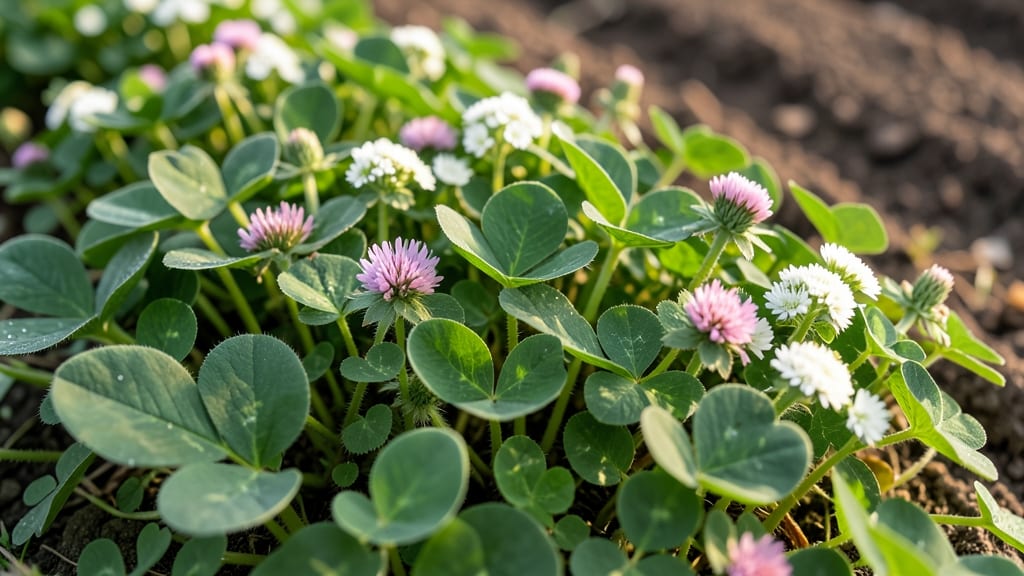
Planting a 🌾 deer food plot in Kentucky at the wrong time can turn your investment into a patch of weeds instead of a whitetail buffet.
The secret to lush, deer-attracting growth lies in understanding Kentucky's 6a-7a climate zones—where early spring and late summer/fall windows create the perfect conditions for rapid shoot-up and sustained forage.
If you've ever watched deer browse a neighboring plot and wondered why yours looks like a sad lawn, timing is the key.
I've learned the hard way that planting too late in spring risks stunted growth before summer heat, while late summer plots often outperform spring ones in Kentucky's humid climate. Let me show you exactly when to pull the trigger for maximum whitetail impact.
We're talking about two ideal windows: early spring (March-April) when soil warms enough for seeds to sprout before summer's brutal heat, and late summer/fall (August-September) when cooler temps and moisture create perfect growing conditions.
The difference between these windows isn't just about timing—it's about creating a food source that deer will return to season after season.
What makes Kentucky unique is how its three distinct regions—Bluegrass, Pennyroyal Plateau, and Cumberland Plateau—each have slightly different frost dates and growing seasons. I'll break down exactly how these variations affect your planting schedule, so you can match your food plot strategy to your specific corner of the state.
Let's get those whitetails coming back to your property year-round.
Best planting months for Kentucky deer food plots by climate zone
Kentucky's diverse climate zones—Bluegrass, Pennyroyal Plateau, and Cumberland Plateau—create unique windows for planting deer food plots. Each zone has distinct frost dates, soil conditions, and rainfall patterns that dictate the best planting windows for maximum whitetail forage.
For early spring plantings, aim for March to early April when soil temperatures reach 50°F consistently. This timing ensures seeds germinate before summer heat arrives, giving plants a strong root system before peak growing season.
In late summer/early fall, August to mid-September is ideal for cool-season crops like clover and wheat.
Here’s how Kentucky’s three zones differ in their optimal planting schedules:
The Bluegrass region, including Louisville and Lexington, has the earliest last frost dates (around April 15), making it perfect for early clover plantings.
Meanwhile, the Cumberland Plateau, with its warmer microclimates, often allows for later fall plantings of winter wheat or ryegrass before frost arrives in mid-October.
Soil moisture is critical—Kentucky’s spring rains provide ample water for germination, but summer droughts can stress young plants. Always test your soil’s drainage before planting; waterlogged conditions in low-lying areas can kill seeds faster than deer can graze them.
Pro tip: Use a soil thermometer to confirm 50°F soil temps before planting. Cold soil delays germination, and impatient deer won’t wait for your plots to grow! Plant when soil is warm enough but air temps are still cool to avoid heat stress on seedlings.
For fall plantings, prioritize cool-season crops like winter wheat or annual ryegrass—these thrive in Kentucky’s mild autumns and provide late-season forage when natural browse is scarce. Aim to plant 6-8 weeks before first frost (typically mid-October) for optimal growth.
Remember: Deer activity peaks in fall rut (November) and early spring (March-April), so timing your plots to match these periods ensures your food plots are ready when whitetails are hungry. A well-timed plot can be the difference between a thriving herd and one that’s struggling through lean months.
Best planting months for Kentucky deer food plots by climate zone
Kentucky's diverse climate zones—Bluegrass, Pennyroyal Plateau, and Cumberland Plateau—create distinct planting windows for deer food plots. Understanding these zones helps you align planting with soil temperatures, rainfall patterns, and frost dates to maximize growth.
The Bluegrass region (western KY) typically has the longest growing season, while the Cumberland Plateau (eastern KY) faces cooler temperatures and shorter windows.
For all zones, early spring (March-April) and late summer (August-September) are prime planting times. Spring planting leverages warming soils and increasing daylight, while fall planting capitalizes on cool-season crops that thrive before winter dormancy. Soil temperature is your best guide—wait until it reaches 50°F+ at 4-inch depth for optimal germination.
Here’s how each zone differs: Bluegrass (west) can plant 2-3 weeks earlier than Cumberland Plateau (east) due to milder winters. Pennyroyal Plateau (central) falls in between but often mirrors Bluegrass timing. Rainfall also varies: Cumberland Plateau receives more precipitation, reducing irrigation needs, while Bluegrass may require supplemental watering during dry spells.
| Climate Zone | Ideal Planting Window | Soil Temp Requirement | Key Consideration |
|---|---|---|---|
| Bluegrass (West) | March 15–April 15 / August 1–September 15 | 50°F+ at 4" | Longer growing season; monitor drought risk |
| Pennyroyal Plateau (Central) | March 20–April 10 / August 10–September 10 | 50°F+ at 4" | Moderate rainfall; transition zone |
| Cumberland Plateau (East) | April 1–April 30 / August 15–September 1 | 55°F+ at 4" | Cooler temps; higher elevation |
When planning, check your last frost date (typically mid-April in most zones) and aim to plant 4-6 weeks before to allow seedlings to establish.
For cool-season crops like clover, seed in late summer (August) to ensure germination before frost. Warm-season crops like soybeans should wait until soil temperatures exceed 60°F.
Use a soil thermometer to verify readiness—planting too early in cold soils can lead to poor germination or seed rot. In drought-prone areas, prioritize deep soil preparation to retain moisture. Kentucky’s variable weather means flexibility is key; always have a backup planting date ready.
Pro tip: Test your soil pH (ideal range: 6.0–7.0) before planting. Adjust with lime (to raise pH) or sulfur (to lower pH) 2–3 months ahead of your target planting date. Well-prepared soil is the foundation for a successful food plot—don’t skip this step! 🌱