
Plants
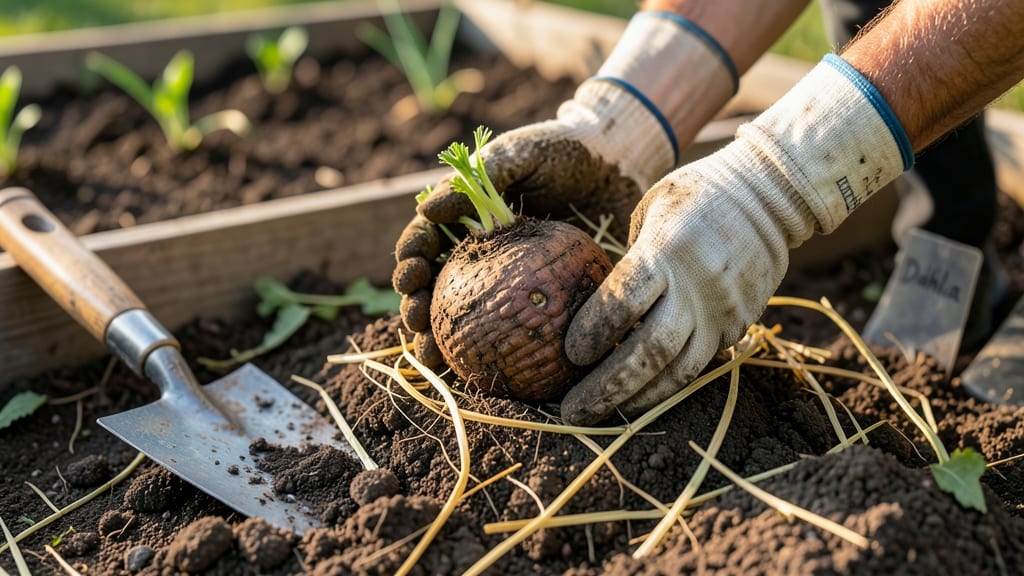
Zone 6b dahlias planting timeline: frost dates & soil temperature rules
In Zone 6b, the last average frost date is around April 15, but this can vary by 10-14 days depending on microclimates. Dahlias are frost-sensitive, so planting too early risks tuber damage.
The key is waiting until the soil temperature consistently reaches 60-65°F—this usually happens in mid-to-late May for most of Zone 6b.
For early blooms, you can start chitting tubers indoors in late March (more on this in the next section). However, hardening off and transplanting should never happen before the last frost.
Using a soil thermometer is your best tool—plant only when the 6-inch soil temp stays above 60°F for 3+ days.
Here’s the critical timeline for Zone 6b gardeners:
| Stage | Action | Zone 6b Timeline |
|---|---|---|
| Chitting Tubers | Start indoors (bright, cool spot) | Late March |
| Soil Prep | Amend with compost; ensure drainage | Early April |
| Hardening Off | 7-day outdoor acclimation | Late April |
| Planting | After last frost, soil 60°F+ | Mid-to-late May |
| First Blooms | With proper care | July-August |
If you’re in a cooler microclimate within Zone 6b (like higher elevations), aim for late May planting. Conversely, low-lying areas with warmer soil may allow early May planting.
Always check your local frost records—resources like the National Weather Service or Almanac.com provide historical data for your exact location.
Pro tip: Use black plastic mulch to warm soil faster if you’re eager to plant early. This can shave off 1-2 weeks from your planting timeline by raising soil temps by 5-10°F. Just remove it once plants are established to prevent overheating.
For late varieties or container dahlias, you can push planting into early June—these types are more forgiving if transplanted slightly later. However, early planting (before soil warms) leads to stunted growth or rot due to cold, wet soil.
Remember: Dahlias are short-season plants in Zone 6b. Planting too late means fewer blooms before the first frost (typically mid-October). Balance your timeline to maximize your 165 frost-free days!
🌱
Zone 6b dahlias planting timeline: frost dates & soil temperature rules
In Zone 6b, timing your dahlias correctly means the difference between a showstopping summer display and lost tubers. The average last frost date is around April 15, but soil temperature is the real game-changer—dahlias need 60-65°F soil to thrive.
Planting too early risks frost damage, while waiting too long cuts your blooming season short.
Most gardeners in Zone 6b aim for mid-to-late April as their target window. However, soil thermometers are your best friend—wait until the ground consistently hits 60°F at 6 inches deep. This often aligns with late April to early May, depending on your specific microclimate within the zone.
🌱 Pro Tip: Use a frost-free date calculator (like the Old Farmer’s Almanac) for your exact location. Some areas in Zone 6b may have earlier frost risks due to elevation or wind exposure.
🌱 Zone 6b Dahlias Planting Timeline
| Stage | Action | Key Consideration |
|---|---|---|
| Early March | Start chitting tubers indoors | Encourages early sprouting |
| Mid-April | Soak tubers for 24 hours | Prevents transplant shock |
| Late April | Hardening off seedlings | 7-day outdoor acclimation |
| Early May | Plant outdoors after last frost | Soil temp ≥60°F |
| June-August | Fertilize & stake plants | Supports blooming season |
If you’re in a cooler microclimate within Zone 6b, consider using black plastic mulch to warm the soil faster. This can shave off 1-2 weeks from your planting timeline. Conversely, if your spring is unusually warm, wait until mid-May to avoid early-season heat stress on young plants.
🌡️ Key Rule: Never plant dahlias when nighttime temperatures still dip below 50°F. Use a frost cloth for the first few weeks if needed to protect tender new growth. This is especially critical for tall varieties that take longer to establish.
For late bloomers like 'Café au Lait' or 'Thomas Edison', you can push planting to early June. These varieties have longer maturity times and can still produce stunning flowers by late summer. Just be prepared for a shorter bloom window compared to early-planted varieties.