
Plants
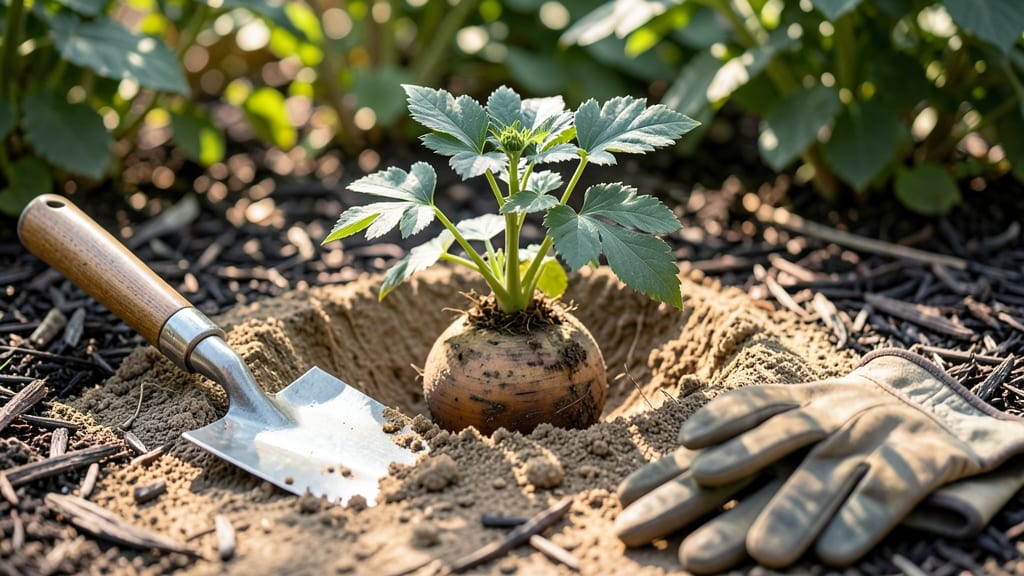
Timing when to plant dahlias in Kentucky just right can mean the difference between a show-stopping summer garden and a sad, wilted disappointment—especially when those unpredictable spring frosts sneak in.
The key isn’t just waiting for the calendar to hit May; it’s tracking soil warmth, local frost patterns, and even your microclimate’s quirks to give those 🌸 tubers the perfect head start.
Most Kentucky gardeners plant too early, only to watch their dahlias languish in cold, damp soil that stunts root growth. But here’s the secret: Dahlias thrive when soil hits 60°F—not when the last frost date rolls around.
I’ll show you exactly how to test your soil and adjust your planting schedule, whether you’re in Louisville’s urban heat pockets or rural Zone 6a areas where nights stay chilly longer.
Ready to skip the guesswork? You’ll learn when to start tubers indoors (yes, it’s worth it!), how to protect late plantings from sneaky late frosts, and the one mistake that kills 80% of Kentucky dahlias before they even bloom.
Let’s get those vibrant blooms off to the right start—no more wasted seasons.
From staggered planting tricks to UK Extension-approved cold protection hacks, this guide gives you the exact steps to turn your Kentucky garden into a dahlia paradise. No more second-guessing—just confident, flourishing flowers from July to frost.
Kentucky’s ideal dahlias planting timeline based on frost dates
Kentucky’s USDA Zones 6a-7b create a unique challenge for dahlia lovers—late spring frosts can delay planting while summer heat rushes in. The average last frost date across most of the state falls between April 15 and May 1, but this varies 10-14 days depending on your location.
Northern regions like Paducah often experience frost until May 10, while Lexington and Louisville typically see their last frost by April 20.
To pinpoint your exact planting window, check the UK Agricultural Weather Center for your county’s 10-year frost averages. For example, Bowling Green gardeners should wait until April 25 on average, while Covington can plant as early as April 10.
Always add a 2-week buffer after the official last frost date—dahlias are frost-sensitive tubers, and even a light freeze can kill emerging shoots.
Here’s how to use frost dates to calculate your planting timeline: 1. Find your local last frost date (use the UK Extension’s frost calendar) 2. Add 2 weeks to account for late frosts 3.
Verify soil temperature (must reach 60°F—see next section) 4. Plant tubers 4-6 inches deep in well-draining soil
For 2024-specific adjustments, monitor the National Weather Service’s Kentucky frost probability maps. In 2023, Louisville saw a late April frost that delayed planting by 3 weeks—showing how much weather can vary.
If you’re unsure, use biodegradable row covers to protect early plantings until May 15, especially in Zone 6a areas like Morehead.
Pro tip: Stagger your planting by 2-3 weeks for continuous blooms. Plant 1/3 of tubers at your earliest safe date, then add 1/3 every 2 weeks until June 1. This ensures non-stop color from July through October, even if early plantings struggle with Kentucky’s summer heat.
Remember that dahlias hate cold soil. Even if frost risk passes, 50°F soil will stunt growth. Always test soil temperature with a soil thermometer (or your elbow—if it feels cold to the touch, it’s not ready).
For container dahlias, use black pots to absorb heat faster and plant 1-2 weeks earlier than in-ground varieties.
If you’re in Zone 6a (northern KY), consider starting tubers indoors in late March using grow lights. This gives you a 4-6 week head start and can push first blooms to late June
Soil temperature rules for dahlias: when warmth trumps calendar dates
Planting dahlias in Kentucky isn’t just about avoiding frost—it’s about waiting for the soil to warm up. Dahlias need 60°F soil temperature to sprout properly, and Kentucky’s clay-heavy soils can stay cold long after the last frost date.
Testing your soil’s warmth is the secret to healthy root development and vibrant blooms.
Even if your local weather app says it’s 70°F outside, the ground might still be 50°F. This mismatch is why many Kentucky gardeners see slow or failed sprouts when planting too early.
Use a soil thermometer (just $10 at garden centers) to check depth—dahlias need warmth 6 inches deep.
Here’s the critical threshold for Kentucky gardeners: 60°F soil temperature is your green light. Below this, tubers rot or refuse to grow. In Zone 6a (northern KY), this usually happens around mid-May, while Zone 7b (southern KY) can plant as early as late April.
But don’t guess—measure!
Kentucky’s clay soils hold cold longer than sandy soils, which is why early planting often backfires. I once planted dahlias in early April in Louisville, thinking the air was warm enough.
The tubers rotted in the cold soil, and I lost my entire batch. The lesson? Wait for 60°F, even if your neighbor swears by St. Patrick’s Day planting.
If you’re eager to start earlier, try container planting. Pots warm up faster than the ground, and you can move them to sunnier spots once soil temperatures rise. Just ensure your containers have drainage holes—dahlias hate soggy roots.
Once your soil hits 60°F, act fast! Dahlias sprout in 7–14 days when conditions are perfect. Use well-draining soil mixed with compost to give roots a head start. Mulch with straw or shredded leaves to lock in warmth and prevent temperature swings.
Remember: Soil temperature > calendar dates. Kentucky’s unpredictable springs mean your best bet is a soil thermometer, not a gardening app. With the right warmth, your dahlias will burst into bloom by early summer—worth the wait! 🌸