
Plants
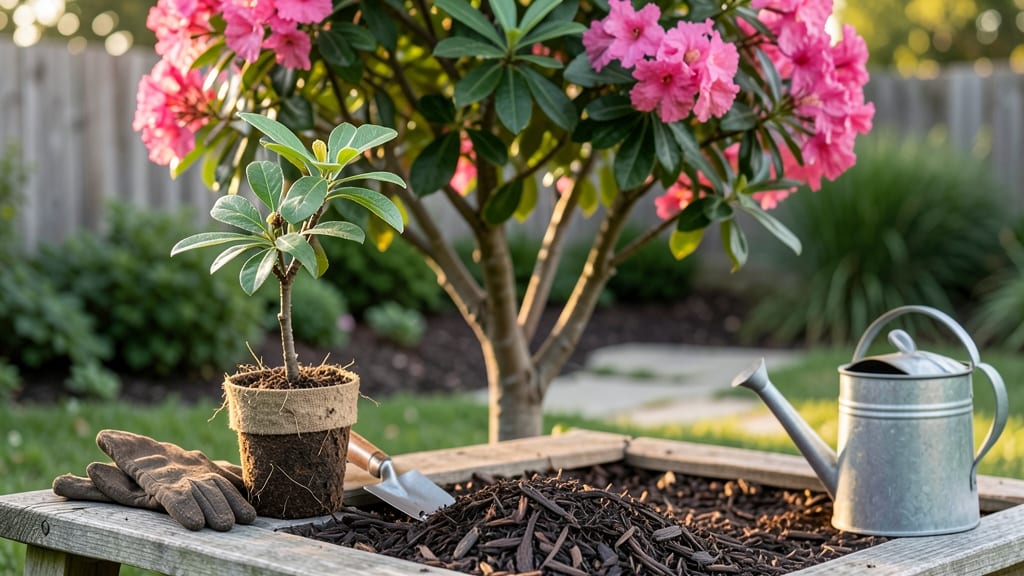
Planting your crepe myrtle 🌸 at the wrong time in North Carolina could mean struggling with frost damage or stunted growth. The key to success lies in understanding NC's unique frost-free windows—because timing isn't just about months, it's about microclimates.
Whether you're in the Piedmont, Coastal Plain, or Mountains, knowing when to plant makes all the difference. Crepe myrtles thrive when planted after the last frost, typically between March and May, but fall planting (September-November) works too—if you get it right.
I'll break down exactly when to plant in your specific zone, how to prepare the soil, and why some gardeners swear by bare-root vs. container-grown trees. No guesswork—just proven strategies for bloom-filled success.
Ready to transform your yard with a stunning crepe myrtle? Let's dive into the best planting windows and pro tips that actually work in NC's unpredictable spring weather.
NC frost-free zones: where and when to plant crepe myrtle safely
North Carolina's diverse climate—from the cool mountain highlands to the warm coastal plains—creates distinct planting zones for crepe myrtles. These trees thrive in USDA zones 7-9, but NC spans zones 6b-8b, meaning timing varies dramatically by region.
The key? Planting after the last average frost date (typically late March to early April) but before summer heat sets in.
In the mountains (Asheville, Boone), crepe myrtles face colder winters (zone 6b), so gardeners should wait until mid-April when soil warms to 60°F+. Meanwhile, the Piedmont (Raleigh, Greensboro) and coastal areas (Wilmington, Outer Banks) can plant as early as mid-March, thanks to milder winters (zones 7a-8a).
Here’s how NC’s three main regions break down for crepe myrtle planting:
| Region | USDA Zone | Last Frost Date | Best Planting Window | Soil Temp Requirement |
|---|---|---|---|---|
| Mountains (Asheville, Boone) | 6b-7a | March 15–April 1 | April 15–May 15 | 60°F+ |
| Piedmont (Raleigh, Greensboro) | 7a-7b | March 1–March 15 | March 20–April 30 | 55°F+ |
| Coastal (Wilmington, Outer Banks) | 8a-8b | February 15–March 1 | March 1–April 15 | 50°F+ |
Crepe myrtles are cold-hardy but struggle with late spring frosts after buds form. In zones 6b-7a, opt for late-spring planting (May) to avoid frost damage to new growth. For zones 7b-8b, early spring (March) works perfectly—just monitor local forecasts for 50°F+ nighttime temps.
Pro tip: Use NC State Extension’s frost-free date maps (available online) to pinpoint your exact planting window. For example, Charlotte (zone 7b) averages its last frost on March 10, while Greenville (zone 8a) sees frost-free conditions by February 28. Planting 2-4 weeks after these dates minimizes frost risk.
Another critical factor is soil temperature. Crepe myrtles won’t thrive until the ground reaches 60°F. In cooler zones, use a soil thermometer to confirm readiness—planting too early in cold soil can stunt root growth.
For container-grown trees, this rule is less strict, but bare-root planting requires warmer soil.
If you’re in zone 6b (mountains), consider fall planting (September-October) instead. The tree establishes roots before winter, giving it a head start in spring. Just ensure 6-8 weeks remain before the first frost to allow root development. For zones 7a-8b, spring planting is ideal for faster establishment.
One common mistake? Planting crepe myrtles in low-lying areas where cold air settles. Choose slightly elevated sites or south-facing slopes to delay frost exposure. In urban areas, heat from buildings can create microclimates—plant near sunny walls to extend the growing season by 1-2 weeks.
For coastal gardeners, humidity and salt spray can stress young trees. Amend soil with compost and mulch heavily to retain moisture. Inland zones benefit from well-draining soil to prevent root rot during NC’s sporadic summer rains.
Remember: Crepe myrtles are fast growers once established, but their first year is critical. Planting at the right time ensures they bloom abundantly and resist pests—so don’t rush! Check your local frost dates and soil temps before digging that first hole. 🌸
Best planting months for crepe myrtle in NC: spring vs fall timing
North Carolina's diverse microclimates create two ideal windows for planting crepe myrtles: spring (March-May) and fall (September-November). Each season offers unique advantages depending on your region's last frost dates and soil conditions.
Let's break down the pros and cons so you can choose the perfect timing for your 🌸 crepe myrtle.
Spring planting gives your tree a full growing season to establish roots before winter, but NC's unpredictable late frosts (especially in the mountains) can pose risks.
Fall planting, on the other hand, allows roots to settle before winter dormancy, but you must plant early enough to avoid early frost damage. The key is matching your timing to your specific USDA zone and historical weather patterns.
For most of North Carolina (zones 7a-8a), April and May are the safest spring months because soil temperatures typically reach the 60°F minimum crepe myrtles prefer.
In the coastal plain (zone 8a), you can push planting slightly earlier to mid-March, while mountain regions (zone 6b) should wait until late May to avoid frost risks.
Spring Planting (March-May)
- ✅ Longer growing season for root establishment
- ✅ More available nursery stock in spring
- ✅ Better bloom production in first year
Fall Planting (September-November)
- ✅ Reduced transplant shock with cooler temps
- ✅ Established roots before winter improve survival
- ✅ Less competition for water from other plants
Spring Risks
- ❌ Late frosts can damage new growth
- ❌ Drought stress in early spring
- ❌ Limited time to establish before summer heat
Fall Risks
- ❌ Early frosts can kill young plants
- ❌ Limited time for root establishment
- ❌ Fewer nursery options in late fall
Soil temperature is the critical factor when deciding between seasons. Crepe myrtles thrive when soil reaches 60°F or warmer. In NC, this typically occurs by mid-April in coastal areas but may not happen until late May in the mountains.
Use a soil thermometer to check before planting—this simple tool can save your tree from root shock.
Pro tip: If you're in zone 7a (mountains), consider container planting in spring and transplanting to the ground in fall. This gives your crepe myrtle a head start while protecting it from early mountain frosts.
For coastal gardeners (zone 8a), early spring planting in March works well because the mild climate reduces frost risks.
Remember that fall planting must occur 6-8 weeks before your first frost date. This gives roots time to establish before winter dormancy. In most of NC, that means planting by early November—don't wait until December! The mountains may need to finish by late October due to earlier frosts.