
Plants
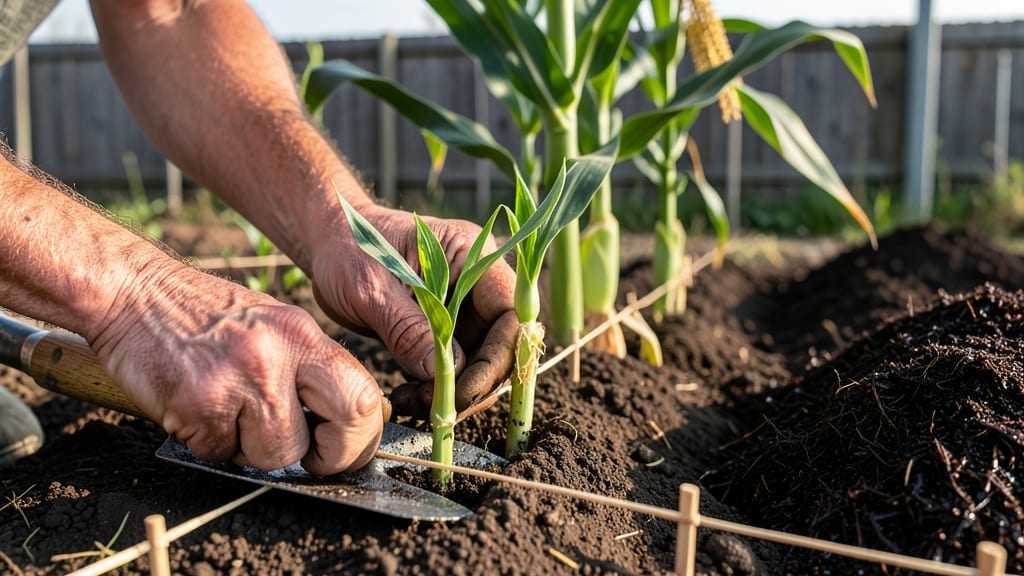
Planting corn in Montana isn’t just about waiting for spring—it’s about timing the soil warmth and frost-free window just right to beat the state’s short growing season.
With USDA Zones 4-7 and elevations ranging from valleys to mountain slopes, your 🌽 crop’s success hinges on knowing when to drop those seeds so they sprout before the last frost bites.
Most gardeners in Montana’s 4-7 zones wait until late May or early June, but that’s only half the story. Soil temperature matters more than the calendar—corn needs 50°F+ to germinate, and cooler high-altitude areas may need an earlier start with row covers.
Skipping this step means risking stunted plants or wasted effort, especially when first frost can sneak in as early as mid-September in some regions.
Here’s the game-changer: pairing planting dates with your specific elevation and last-frost averages. Whether you’re in Missoula’s valleys or Billings’ plains, we’ll break down the exact windows—and how to adjust for late springs or early freezes. No more guessing, just data-driven planting that maximizes your harvest.
Ready to grow Montana-sized ears of corn? Let’s dive into the soil temperature rules, frost-free calculations, and variety picks that’ll turn your garden into a high-yielding success—even with Big Sky Country’s unpredictable weather.
Montana corn planting dates by altitude: soil temperature Zones explained
Montana’s dramatic elevation changes—from river valleys at 2,500 feet to alpine meadows above 6,000 feet—create wildly different planting windows for corn. At lower elevations like Missoula Valley, soil warms quickly, while high-altitude areas near Bozenna may need a 2-week delay.
The key? Planting when soil hits 50°F+ and frost risk drops below 10%.
Corn thrives in USDA Zones 4–7, but Montana’s microclimates demand precision. Lowland areas (Zones 5–7) can plant as early as late April, while mountainous regions (Zone 4) should wait until mid-June.
Always check your local last frost date—Billings averages May 15, but Glacier National Park areas may see frost until June 20.
🌽
| Altitude Zone | Soil Temp Target | Planting Window | Frost-Free Days | USDA Zone |
|---|---|---|---|---|
| Lowland Valleys (2,500–4,000 ft) | 50–55°F (late April–May) | Late April–early May | 120–150 days | 5–7 |
| Mid-Elevation (4,000–6,000 ft) | 55–60°F (May–early June) | Early May–mid June | 90–120 days | 4–5 |
| High Altitude (>6,000 ft) | 60–65°F (June–July) | Mid June–early July | 60–90 days | 3–4 |
For lowland areas (e.g., Great Falls or Bozeman Valley), aim for late April to early May when soil temperatures consistently reach 50°F. Use a soil thermometer—corn seeds won’t germinate below 55°F.
In mid-elevation zones like Helena, delay until May 15 to avoid late frosts, which can kill seedlings.
High-altitude gardeners in Zone 3–4 (e.g., Whitefish or Dillon) face the toughest challenge: short frost-free windows. Plant only after June 1, and choose 70-day varieties like ‘Early Sunglow’ to ensure harvest before September 15.
Extend the season with row covers or black plastic mulch to warm soil faster.
Pro tip: Montana’s continental climate means nighttime temps can drop 20°F below daytime highs. Use frost cloth for the first 2–3 weeks after planting to shield seedlings. Monitor Almanac frost predictions—some years, late May frosts hit Missoula, while others are frost-free until October.
🌡️
If you’re unsure about your local microclimate, test your soil with a thermometer for 3 days in spring. Plant when morning temps stay above 50°F for 5 consecutive days.
For high-altitude gardens, consider starting seeds indoors in late April and transplant after May 15—this buys you 2–3 critical weeks of growth before frost.
Remember: Corn needs 90–150 frost-free days to mature. In Zone 4, this limits you to early-maturing varieties (70–85 days). Skip sweet corn that takes 100+ days—it won’t ripen before Montana’s first frost. Instead, grow dent corn or flint corn, which tolerate cooler temps better.
5 Critical factors to adjust corn planting timing in Montana
Montana’s unpredictable climate demands strategic adjustments to ensure your corn thrives. First, prioritize fast-maturing varieties (70–90 days to harvest) to outpace early fall frosts. Varieties like ‘Early Sunglow’ or ‘Golden Bantam’ are ideal for shorter seasons.
Next, use black plastic mulch to warm soil faster—critical in Montana’s cooler regions. Lay it down 2–3 weeks before planting to raise soil temps by 5–10°F, accelerating germination. This is especially helpful in USDA Zone 4–5 areas where frost lingers.
🌽 Protect seedlings from late frosts with row covers or cloches. Montana’s May frost risks (even in June!) can devastate young plants. Monitor forecasts and keep covers handy—a single frost can set growth back weeks.
- 1. Variety Maturity: Choose 70–90-day hybrids to avoid frost—‘Ambrosia’ (85 days) thrives in Zone 5+.
- 2. Soil Warming: Use black plastic mulch to hit 50°F+ soil temps faster.
- 3. Frost Protection: Deploy row covers until plants reach 12 inches tall.
- 4. Water Management: Drip irrigation prevents fungal risks—avoid overhead watering at night.
- 5. Adjust Planting Dates: High-altitude areas (5,000+ ft) may need 2-week delays.
Water management is another game-changer. Montana’s dry summers mean drip irrigation is your best bet—it delivers water directly to roots while reducing fungal diseases. Avoid overhead watering after sunset, as damp foliage invites corn smut and blight.
Finally, adjust planting dates by altitude. Areas above 5,000 feet (like Missoula’s Bitterroot Valley) may need to delay planting by 2 weeks compared to lower elevations.
Check local frost-free averages—Billings (Zone 5) typically plants May 20–June 1, while Kalispell (Zone 4) waits until June 1–15.
By mastering these 5 critical factors, you’ll turn Montana’s challenges into corn-growing success. Start small with a test patch to refine your timing—every degree and day counts in Big Sky Country! 🌿