
Plants
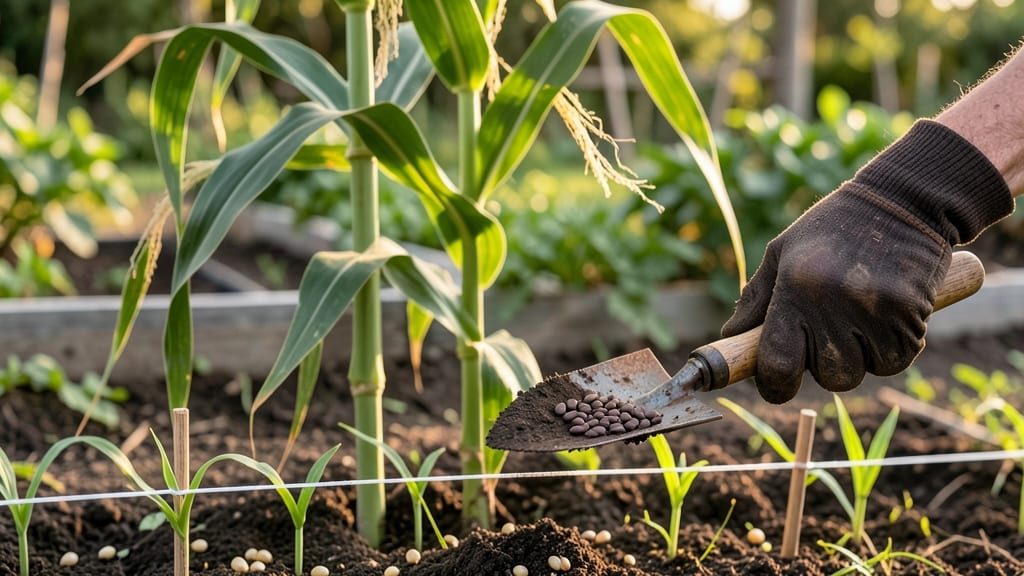
Planting corn in Connecticut at the wrong time means watching your 🌽 stalks wilt before they even get a chance to thrive. The key to a successful harvest isn't just waiting for spring—it's knowing exactly when soil temperatures hit that sweet 60°F mark and the last frost has passed.
With Connecticut's 5b-6b climate, you've got a narrow window between mid-April and late May to get seeds in the ground. But here's the catch: early-spring plantings risk frost damage, while late plantings might not mature before fall's chill sets in.
I'll show you how to pick the perfect timing for sweet, popcorn, and field corn varieties that actually do well in our unpredictable weather.
You'll also discover how to adjust for your specific corner of the state—whether you're in a river valley with warmer microclimates or dealing with coastal breezes that delay warming. Plus, I'll share my top tricks for preparing soil and extending the growing season when Mother Nature throws curveballs.
Let's cut through the guesswork so you can grow corn that's tall, sweet, and ready for harvest from late July through September—just like the pros in your neighborhood garden.
Connecticut corn planting dates by variety type (sweet, popcorn, field corn)
Timing your corn planting in Connecticut depends on the variety type and your local microclimate. Connecticut’s USDA Zones 5b-6b mean you’ll need to balance last frost dates (typically mid-April) with soil warmth (wait for 60°F+).
Sweet corn, popcorn, and field corn each have unique windows for peak production.
Sweet corn, the most popular choice, thrives when planted 2-3 weeks after your area’s average last frost. In Connecticut, this usually falls between late April and early May. Popcorn varieties are slightly more cold-tolerant, allowing for early April plantings in protected areas.
Field corn, often used for livestock or grain, can handle later starts and may be planted up to mid-June for fall harvests.
Here’s how to match your corn variety to Connecticut’s growing season:
For sweet corn, aim for two plantings 10–14 days apart to stagger harvests. Connecticut’s short growing season (about 180 frost-free days) means late varieties like 'Ambrosia' or 'Bodacious' may only mature in southern CT.
Use a corn heat unit calculator (available from UConn Extension) to fine-tune dates for your exact location.
Popcorn, often overlooked, is a hardier option for Connecticut gardeners. Its longer maturity window lets you plant earlier or even try succession plantings in early summer. Look for flint corn varieties, which hold their kernels better in humid CT summers.
Field corn, typically grown for livestock or grain, can be planted later in the season. If you’re in northern CT, stick to early-maturing varieties (under 90 days) to avoid frost damage. For southern CT, you can push the envelope with mid-season varieties planted in late May.
Always check soil temperature before planting—corn seeds won’t germinate below 50°F, and ideal soil temps are 60°F+. Use a soil thermometer to monitor conditions, especially in cooler microclimates like Litchfield Hills or northern Fairfield County.
Pro tip: If you’re in a coastal area like Groton or New London, your later frost dates may allow for a second planting in early June. Just ensure you choose short-season varieties (under 85 days) to avoid fall frosts.
🌽
How to adjust planting dates for Connecticut’s microclimates
Connecticut’s diverse geography—from coastal shorelines to inland valleys—means your last frost date can vary by 2-3 weeks within a single county. For example, New Haven might see frost-free conditions by mid-April, while northern Litchfield County could wait until late May.
Adjust your corn planting schedule based on your specific microclimate to avoid late frosts that can devastate young plants.
Urban gardeners in Bridgeton or Hartford often experience heat islands that warm soil faster, allowing earlier planting. Meanwhile, coastal areas like Groton benefit from moderating ocean breezes but may face delayed warming.
Use local weather stations (like CT Agricultural Experiment Station) to track soil temperatures—corn seeds need 60°F+ soil to germinate reliably.
Here’s how to fine-tune your planting timeline for CT’s most common microclimates:
Plant sweet corn April 15–May 1—ocean breezes delay soil warming but reduce frost risk. Use black plastic mulch to warm soil faster.
Aim for April 20–May 10—valleys trap heat, but cold air pockets can linger. Plant late-maturing varieties (e.g., ‘Golden Bantam’) for extended harvests.
Start as early as April 1–April 15—concrete and buildings accelerate soil warming. Monitor for drought stress and water deeply.
Wait until May 1–May 15—higher elevations have 10–14 days later frost dates. Use row covers for early starts.
For gardeners in transition zones (like Middletown or Waterburyhalf your seeds early (April 20) and half late (May 10) to hedge against unpredictable weather. This succession planting strategy ensures at least one harvest window regardless of frost delays.
Extend your growing season with these CT-proven techniques:
Pro tip: Track your local heat units (growing degree days) using the CT Agricultural Experiment Station’s tools. Corn needs 2,000–2,500 heat units to mature—late varieties like ‘Pioneer 39T31’ thrive in CT’s shorter seasons but require precise timing.
Adjust your planting date 1 week earlier for every 100 extra heat units your microclimate provides.