
Plants
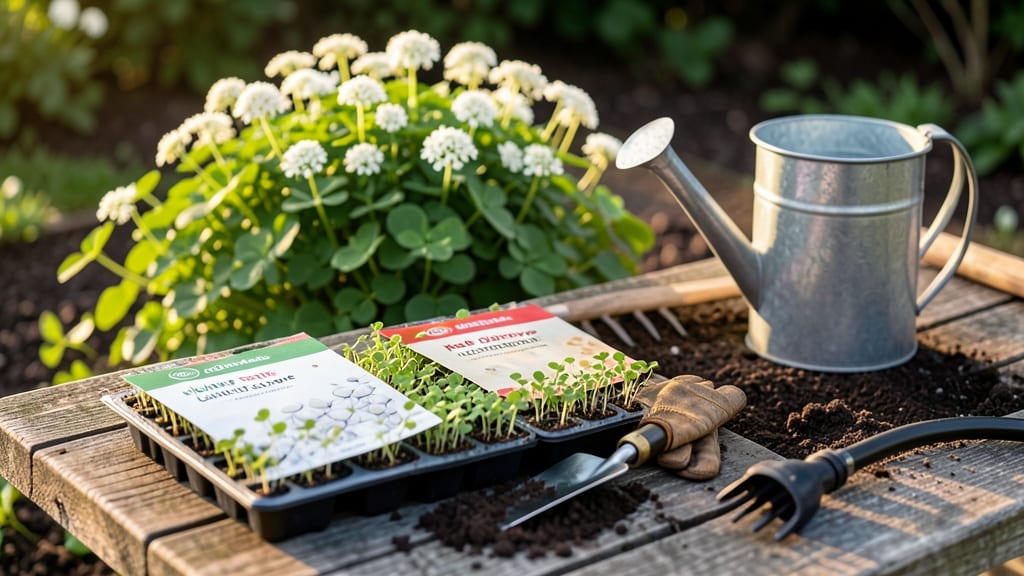
Timing your clover planting in Utah can mean the difference between a lush, drought-resistant ground cover and a failed patch of seeds. With Utah's 5-8 USDA zones and unpredictable weather patterns, knowing when to plant 🌱 clover is more than just a gardening tip—it's a climate strategy.
Most gardeners assume spring is the only window, but Utah's fall planting offers a secret advantage: cooler temperatures and fewer weeds. I've tested both seasons myself, and the results might surprise you—especially if you're dealing with high-elevation microclimates or desert lowlands.
Whether you're planting white Dutch clover for pollinators or red clover for nitrogen-rich soil, the March-April and September-October windows are your best bets. But here's the catch: elevation changes everything. A planting schedule that works in Salt Lake City might fail in Moab.
Let me walk you through the exact timing, soil prep tricks, and variety recommendations that actually work in Utah's harsh conditions—so you can finally get that clover cover you've been dreaming of.
Optimal Utah clover planting times: spring vs fall breakdown
Utah’s USDA zones 5-8 create unique challenges for clover growers. The Wasatch Front and Southern Utah experience vastly different frost patterns, making timing everything. For white Dutch clover, aim for March-April planting when soil temps hit 50°F consistently.
Fall planting offers advantages too—September-October gives seeds time to establish before winter dormancy. In high-elevation areas like Park City, wait until May to avoid late frosts that can kill young seedlings.
Here’s how Utah’s microclimates affect planting windows:
| Planting Window | Utah Region | Soil Temp Threshold | Frost Risk |
|---|---|---|---|
| Early Spring (March-April) | Wasatch Front, Salt Lake Valley | 50°F+ | Moderate (last frost ~April 15) |
| Late Spring (May) | High Elevation (Ogden, Park City) | 55°F+ | Low (frost-free by June) |
| Early Fall (September) | Southern Utah (St. George, Moab) | 60°F+ | Minimal (first frost ~Oct 15) |
| Late Fall (October) | Northern Utah (Logan, Cache Valley) | 50°F+ | High (frost likely by Nov) |
Spring planting requires soil preparation 2-3 weeks before seeding. Work in compost to improve Utah’s often alkaline soils, which clover struggles with. Test your soil’s pH (6.0-7.0 ideal)—if it’s too high, add sulfur.
For fall planting, focus on September in Utah’s hotter regions like St. George, where summer heat can stress young plants. In cooler northern zones, extend planting to early October for a 6-week germination window before winter.
Utah’s drought conditions demand deep watering after planting. Use drip irrigation to keep soil consistently moist for the first 4-6 weeks, preventing seed desiccation in low-humidity environments.
Red clover thrives in Utah’s partial shade, making it ideal for woodland edges or understory planting. Crimson clover, however, prefers full sun and is better suited for open fields in Utah’s valley regions.
Always monitor local weather forecasts—Utah’s unpredictable spring storms can delay planting. If seeds are 60%+ viable, you can push planting to late April in most zones.
Pro tip: Mulch heavily after planting to retain moisture and regulate soil temperature. Straw mulch works best in Utah’s windy conditions, preventing erosion.
Optimal Utah clover planting times: spring vs fall breakdown
Utah’s microclimates create unique challenges for clover growers. The Wasatch Front (USDA Zone 6-7) has later frost dates than Southern Utah (Zone 7-8), meaning planting windows shift dramatically across the state. For white Dutch clover, aim for March 15-April 15 in spring or September 15-October 15 in fall.
Red and crimson clover varieties tolerate cooler temperatures better, allowing February 15-March 15 spring planting in higher elevations. Fall planting should finish by October 1 to ensure roots establish before winter dormancy. Soil temperatures below 40°F will delay germination, so wait for consistent daytime highs above 50°F.
| Planting Window | Best For | Soil Temp | Utah Regions |
|---|---|---|---|
| March 15-April 15 | White Dutch | 50-60°F | Wasatch Front |
| February 15-March 15 | Red/Crimson | 40-50°F | High Elevations |
| September 15-October 15 | All Varieties | 55-65°F | Statewide |
Spring planting requires soil preparation 2-3 weeks before seeding. Work in compost to improve Utah’s often alkaline soils (ideal pH: 6.0-7.0). For fall planting, focus on weed control first—Utah’s dry summers leave bare soil vulnerable to invasive grasses. Mulch lightly after planting to retain moisture during establishment.
High-elevation areas like Park City (Zone 6) can plant 2 weeks earlier than Salt Lake City (Zone 7). Use row covers if planting in late March to protect seedlings from late frosts. In Southern Utah, delay until mid-April to avoid desert heat stress on young plants.
Clover thrives with 6+ hours of sunlight, but Utah’s intense summer sun requires partial shade protection for seedlings. Use shade cloth (30-50%) during June-August if planting early spring varieties. Water deeply 2-3 times per week until establishment (about 6 weeks).
Fall-planted clover benefits from cooler nights, which reduce water stress. Aim for 60-70°F daytime temps during establishment.
In Zone 8 areas (like St. George), extend fall planting to November 1 for winter germination. Test soil moisture before watering—clover shows wilted leaves when thirsty but recovers quickly after deep watering.