
Plants
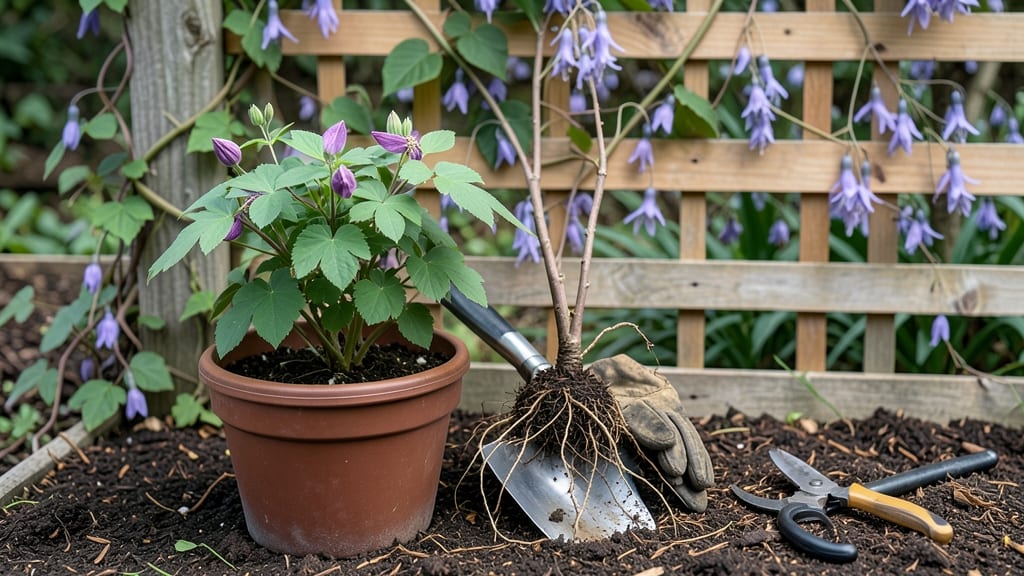
Planting clematis in Michigan’s 5b-6b zones feels like playing a game of timing roulette—get it wrong, and your 🌸 vines might struggle to take root.
But here’s the secret: the difference between a thriving clematis and one that barely survives often comes down to one simple decision—whether to plant in spring or fall.
Michigan’s climate throws curveballs with late frosts and short summers, making the wrong planting window a recipe for disappointment. I’ve seen firsthand how a clematis planted too early in spring can get nipped by frost, while those rooted in fall establish stronger roots before winter.
The key is understanding your local frost dates and soil conditions to give your vines the best shot at success.
If you’re wondering whether to dig in during April’s mild weather or wait for September’s cooler air, this guide breaks down the pros and cons of each approach—plus the exact steps to prep your soil and protect your plants from Michigan’s unpredictable weather.
Let’s get those vines off to a strong start.
Whether you’re a beginner or a seasoned gardener, the right timing can mean the difference between a clematis that climbs and blooms beautifully and one that fights to survive. Stick with me, and I’ll show you how to plant for maximum growth—no guesswork required.
Optimal clematis planting seasons in Michigan: spring vs fall breakdown
Michigan’s Zone 5-6 climate creates unique challenges for clematis growers, but understanding the ideal planting windows can make all the difference. Unlike warmer climates, Michigan’s late frosts and short growing season demand precise timing to ensure your vines establish strong roots before winter.
Let’s break down why fall planting often outperforms spring in Michigan—and when spring might be your better option.
Clematis thrives when planted during its dormant season, which in Michigan means either early spring (April) or early fall (September-October). The key difference lies in soil temperature and frost risk.
Fall planting gives roots time to establish before winter, while spring planting risks late frost damage to tender new growth. For Michigan gardeners, fall is typically the preferred method—but let’s compare both seasons in detail.
🌸 Spring vs. Fall Planting Comparison for Michigan Clematis
| Factor | Spring Planting (April) | Fall Planting (Sept-Oct) |
|---|---|---|
| Best Time | After last frost (mid-April) | 4-6 weeks before first frost (early Sept) |
| Soil Temp | 50°F+ (warmer roots grow faster) | 40-50°F (cooler temps reduce stress) |
| Frost Risk | High (late frosts can kill new shoots) | Low (roots establish before winter) |
| Watering Needs | Frequent (dry spring soil) | Moderate (cooler temps reduce evaporation) |
| Growth Speed | Fast (warm soil = rapid root growth) | Slower (cooler temps = gradual establishment) |
| Best For | Experienced gardeners with frost protection | Beginners & Michigan’s unpredictable climate |
For Michigan gardeners, fall planting is generally the safer bet because it allows roots to establish before winter’s freeze. However, if you miss the fall window, early spring planting (after the last frost, typically mid-April) can still work—provided you’re prepared to protect young shoots from late frosts.
The soil temperature is critical: clematis roots need at least 50°F to grow actively, which Michigan’s spring soil often hits by late April.
Another key factor is Michigan’s heavy clay soil, which can become waterlogged in spring. Fall planting avoids this issue by letting excess water drain over winter. If you choose spring planting, amend your soil with compost or sand to improve drainage and reduce compaction.
For container-grown clematis, spring planting is often easier because you can move pots to sheltered locations if frost threatens.
Pro tip: If you’re planting in northern Michigan (Zone 5b), aim for early September to give roots time to harden off before the first frost. In southern Michigan (Zone 6b), you can push planting to mid-October—just ensure the ground isn’t frozen.
Always check your local USDA frost dates to adjust timing accordingly.
One common mistake in Michigan is planting clematis too early in spring (before the last frost). Young vines are extremely frost-sensitive, and even a light freeze can stunt growth for the entire season.
To test soil readiness, stick your finger 4 inches deep—if it’s still cold to the touch, wait a few more weeks. For fall planting, the ground should be workable but not frozen.
Remember, clematis is a long-lived perennial, so getting the timing right now means fewer headaches later. Whether you choose spring or fall, prioritize well-draining soil, full sun exposure, and a sturdy tre
Optimal clematis planting seasons in Michigan: spring vs fall breakdown
Michigan’s Zone 5b-6b climate creates unique challenges for clematis planting, with late spring frosts and early fall freezes requiring precise timing. Both spring and fall offer viable planting windows, but each comes with distinct advantages—and potential pitfalls—that directly impact your vine’s first-year success.
Most gardeners in Michigan prefer fall planting because it allows roots to establish before winter dormancy, giving your clematis a head start in spring. However, spring planting is also common, especially for container-grown plants that need immediate support.
Let’s break down the key factors that make each season work—or fail—in Michigan’s climate.
| Factor | Spring Planting (April-May) | Fall Planting (September-October) |
|---|---|---|
| Best Time | After last frost date (typically mid-April) | 4-6 weeks before first frost (aim for early September) |
| Soil Temperature | Must be at least 50°F (60°F ideal) | 50-60°F (cooler temps help root growth) |
| Frost Risk | High (late frosts can damage new roots) | Low (roots establish before winter) |
| Watering Needs | Critical (dry spring soil demands frequent watering) | Moderate (cooler temps reduce evaporation) |
| Growth Advantage | Faster above-ground growth in first season | Stronger root system for next year’s blooms |
| Michigan-Specific Tip | Use row covers if planting early spring | Mulch heavily (4-6 inches) before winter |
For Michigan gardeners, fall planting generally wins because it reduces frost stress on young plants. However, if you miss the fall window, spring planting can still succeed with proper soil warming and consistent moisture.
The key is avoiding planting too early—even if your local nursery offers clematis in March, the ground may still be too cold for root growth.
Another critical factor is soil drainage. Michigan’s heavy clay soils can become waterlogged in spring, suffocating new roots. Amending with compost or sand before planting is essential, regardless of season. In fall, this prep work gives roots a better chance to establish before winter’s freeze-thaw cycles.
Pro tip: If you’re unsure about timing, container-grown clematis can be planted slightly later in spring (May) because their roots are already established. Just be prepared to water daily until the vine shows new growth.
🌸