
Plants
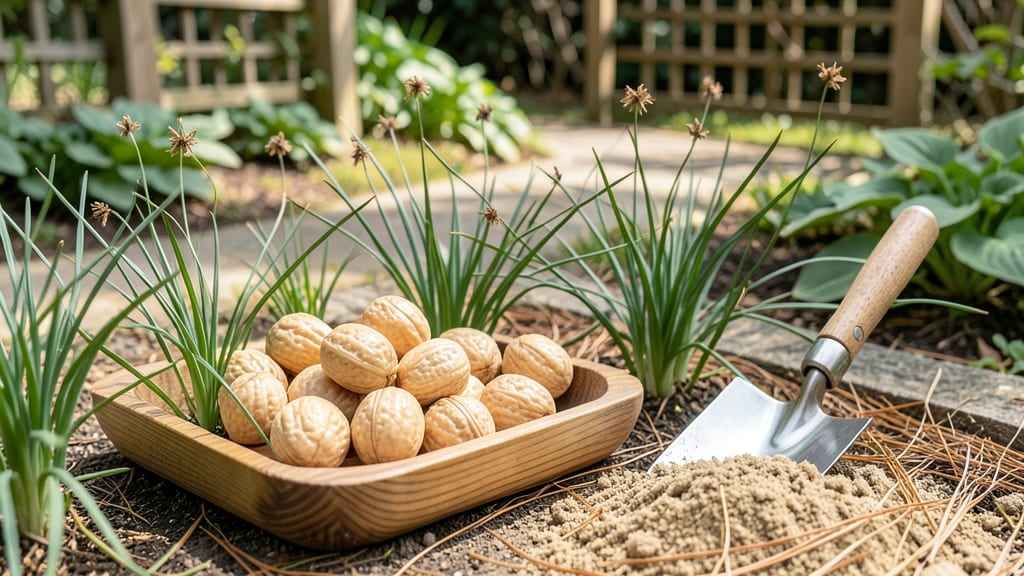
If you're wondering when to plant chufa in NC for a bumper harvest, timing is everything—and getting it wrong could mean tiny tubers or no harvest at all.
This drought-resistant tuber 🌾 loves North Carolina’s warm summers, but planting too early risks frost damage, while waiting too long cuts your growing season short.
For gardeners in zones 7a-8b, the sweet spot is late spring to early summer—think May through June—when soil temperatures hit that magic 60°F mark. That’s when chufa seeds wake up from dormancy and start racing toward those nutritious tubers you’ll dig up in fall.
Here’s the game-changer: Coastal Plain growers can push planting into early June, while mountain regions should aim for May to avoid lingering cool snaps. I’ll break down exactly how to adjust for your microclimate, plus the one soil trick that makes all the difference in NC’s humid climate.
Ready to skip the guesswork? Let’s dive into the best months for planting chufa in your corner of North Carolina—plus how to tell if you’ve nailed the timing or need to adjust.
Optimal planting months for chufa in North Carolina’s climate zones
North Carolina’s diverse climate—from the Coastal Plain to the Mountains—means chufa planting times vary by USDA zones 7a-8b. The key is planting after the last frost when soil temperatures hit 60°F (15°C), ensuring zero-frost risk for these tropical tubers.
In most of NC, this falls between late April and early June, but microclimates shift timelines by weeks.
For Coastal NC (zones 8a-8b), where winters are milder, you can start as early as mid-April in protected beds. Meanwhile, gardeners in the Piedmont (7b) or Mountains (7a) should wait until mid-May to avoid late spring frosts that can kill young plants.
My rule of thumb? Check your local frost-free date (NC State Extension provides maps) and add 2-3 weeks for soil warming.
Chufa thrives in NC’s hot summers (June-August), so planting in late May to early June gives tubers 120-150 days of growth before harvest. This window also aligns with NC’s rainfall patterns, reducing irrigation needs during critical early growth stages.
One mistake I’ve seen? Planting too early in cooler zones—seeds rot in 50°F (10°C) soil.
Here’s how NC’s regions break down for chufa planting:
| NC Region | USDA Zone | Last Frost Date | Ideal Planting Window | Soil Temp Requirement |
|---|---|---|---|---|
| Coastal Plain | 8a-8b | March 15-April 1 | Mid-April to May 15 | 60°F+ (15°C+) |
| Piedmont | 7b | March 20-April 10 | Late April to May 20 | 60°F+ (15°C+) |
| Mountains | 7a | April 15-May 1 | May 10-June 1 | 60°F+ (15°C+) |
Pro tip: Use a soil thermometer to confirm readiness—chufa seeds won’t sprout below 60°F (15°C). I’ve had coastal gardeners plant in April only to see seeds fail when a late cold snap dropped temps to 55°F (13°C).
Always monitor your local NC State Climate Office for weekly updates during planting season.
For container growing in NC’s urban heat islands, you can plant 1-2 weeks earlier than ground plantings. Containers warm faster and provide better drainage, which chufa loves. Just ensure pots have drainage holes—waterlogged soil is a fast track to root rot in NC’s humid summers.
One common misconception? Thinking chufa can handle NC’s summer heat without extra care. While it’s drought-tolerant once established, young plants need consistent moisture during the first 4-6 weeks after planting. My trick? Mulch with straw or pine needles to retain soil moisture and regulate temperature.
If you miss the spring window, don’t despair—chufa can also be planted in early August for a fall harvest. This second planting works best in NC’s Coastal Plain, where summers are long and hot. Just be prepared to harvest by October 15 before the first frost hits.
Remember: Chufa’s tuber development slows below 75°F (24°C), so late summer plantings may yield smaller harvests. Balance your timing with your harvest goals—bigger tubers need more heat exposure.
🌱
Optimal planting months for chufa in North Carolina’s climate zones
North Carolina’s diverse climate—from the Coastal Plain to the Mountains—means chufa planting windows vary by USDA zones 7a-8b. Timing your chufa seeds after the last frost date (typically mid-March to early April) ensures zero-frost survival and robust growth.
In Zone 7a, aim for late May to early June, while Zone 8b gardeners can start as early as mid-April if soil warms to 60°F+.
Soil temperature is critical—chufa thrives when ground heat reaches 60°F for 7+ consecutive days. Use a soil thermometer to confirm readiness. In Raleigh (Zone 7b), this usually aligns with late May, while Asheville (Zone 7a) may delay planting until early June.
Coastal areas like Wilmington (Zone 8a) can plant as early as April, but avoid early spring risks of late frosts.
| NC Region | USDA Zone | Last Frost | Ideal Planting Window | Soil Temp |
|---|---|---|---|---|
| Coastal Plain (Wilmington) | 8a | Mid-March | April–May | 60°F+ |
| Piedmont (Raleigh) | 7b | Early April | Late May–June | 60°F+ |
| Mountains (Asheville) | 7a | Late March | Early June | 65°F+ |
For urban gardeners in cities like Charlotte or Greensboro, microclimates can shift planting by 1-2 weeks. Monitor local weather forecasts and adjust for heatwaves—chufa wilts in 90°F+ temperatures without afternoon shade.
If your area experiences late spring rains, delay planting until soil dries to prevent rot.
Pro tip: Start chufa seeds indoors in biodegradable pots 4-6 weeks before your region’s last frost. Transplant seedlings after nighttime temps stay above 55°F for 10+ days. This head start compensates for NC’s unpredictable spring weather and ensures uniform germination.
Harvest timing hinges on planting date—chufa needs 120-150 days to mature. If you plant in June, expect harvests in late October, just before first frost.
In Zone 8a, extend the season by mulching heavily to protect tubers until November. Always dig carefully to avoid damaging the edible tubers beneath the soil.
Remember: Chufa’s drought tolerance makes it ideal for NC’s hot, dry summers, but consistent moisture during root establishment (first 30 days) is non-negotiable. Use drip irrigation to keep soil evenly moist without waterlogging.