
Plants
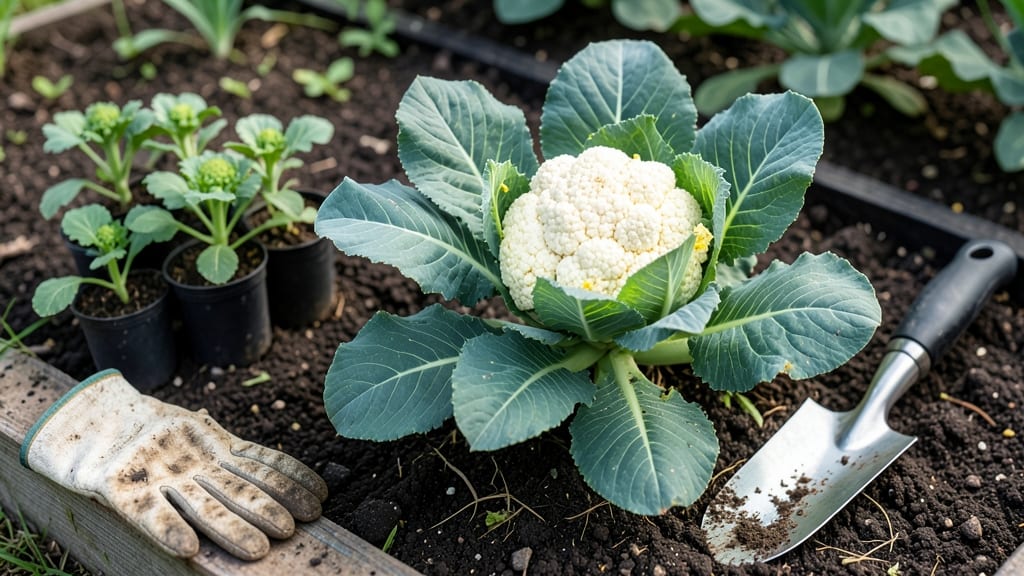
Planting cauliflower 🥬 in Missouri isn’t just about timing—it’s about beating the frost while dodging summer’s scorching heat. If you’ve ever watched your plants bolt or wilt before harvest, you know how quickly things can go wrong.
The key is knowing exactly when to start seeds indoors or set transplants in the ground, down to the week, to match Missouri’s 5b-6a climate.
Most gardeners in Missouri swear by two planting windows: early spring (March–April) and late summer (July–August). But here’s the catch—your last frost date isn’t set in stone. Some years, it hits in late April; others, it lingers into May.
I’ll show you how to adjust your schedule based on real-time frost data and local microclimates, so you’re never caught off guard.
Whether you’re direct-sowing seeds or using transplants, the right timing makes all the difference. We’ll cover how to prepare your soil, when to harden off seedlings, and even backup strategies for those years when spring refuses to cooperate.
No more guessing—just a foolproof plan for a harvest in May or September.
Ready to grow cauliflower that thrives, not struggles? Let’s dive into the exact dates, tools, and tricks that’ll turn your Missouri garden into a cauliflower powerhouse—no matter what Mother Nature throws your way.
Missouri cauliflower planting dates by Zone 5b-6a (with frost calculator)
Missouri’s USDA Zones 5b-6a create a unique challenge for growing cauliflower—cool springs and hot summers demand precise timing. The key is planting 4-6 weeks before your last frost date for spring crops or 10-12 weeks before your first frost for fall harvests.
Missouri’s average last frost date ranges from April 15-30 (earlier in southern zones), while the first frost typically arrives October 15-30. Let’s break down your exact planting windows.
For spring planting, start seeds indoors 8-10 weeks before your last frost (late January to early March) or transplant hardened-off seedlings 2-3 weeks before the last frost. In Zone 5b, this means transplanting by March 15-30, while Zone 6a gardeners can wait until April 1-15.
Fall planting follows a similar timeline but works backward from your first frost date.
Direct sowing is possible but risky in Missouri’s climate. If you choose this method, plant seeds 2-3 weeks after your last frost date (typically May 1-15) for a fall harvest. However, summer heat often causes bolting, so fall transplants (started indoors in July-August) yield better results.
Always check your local frost-free days—Missouri averages 165-200 days, which is perfect for cauliflower’s 75-100 day maturity.
🌱Pro Tip: Use Missouri’s frost date calculator (linked below) to find your exact last/first frost dates. For example, Columbia (Zone 6a) has a last frost around April 10, while Kansas City (Zone 6b) averages April 15.
Adjust your planting schedule accordingly to avoid frost damage or summer bolting.
| Planting Window | Zone 5b (Northern MO) | Zone 6a (Central/Southern MO) | Notes |
|---|---|---|---|
| Spring Transplants | March 15-30 | April 1-15 | Hardened seedlings only; cover with row fabric for late frosts. |
| Spring Direct Sow | May 1-15 | May 1-15 | Risky; prefer transplants for better success. |
| Fall Transplants (Indoor Start) | July 15-August 15 | July 15-August 15 | Transplant by September 1 for harvest before frost. |
| Last Frost Date | April 15-30 | April 10-25 | Use local weather data for precision. |
| First Frost Date | October 15-30 | October 10-25 | Plan fall crops to mature 2 weeks before frost. |
Missouri’s microclimates can shift frost dates by 1-2 weeks. For example, St. Louis (Zone 6a) often experiences later last frosts than Sedalia (Zone 5b).
To account for this, I recommend planting successive crops every 2 weeks in spring and every 3 weeks in fall. This staggered approach ensures a
How to adjust planting for Missouri’s unpredictable weather patterns
Missouri’s weather can be as unpredictable as a whimsical spring breeze—one day it’s freezing, the next it’s scorching. To protect your cauliflower from late frosts or summer bolting, you’ll need a few clever tricks up your sleeve.
Start by using black plastic mulch or row covers to warm the soil and shield young plants. This simple hack can buy you 2-3 extra weeks of growing time before the last frost.
If your spring starts late, don’t panic—just shift your transplanting timeline by 2-3 weeks. For example, if frost lingers into mid-April, delay planting until early May. Use cold frames or cloche covers to create a microclimate for early starts.
These tools can extend your growing season by protecting seedlings from unexpected chills while still letting them bask in sunlight.
If frost threatens after planting, act fast. Cover plants with lightweight row fabric or old bedsheets and secure edges with bricks or soil. Remove covers as soon as temperatures rise to avoid heat stress. For extra protection, use straw mulch around the base to insulate roots.
For summer planting, choose heat-tolerant varieties and avoid direct sowing in July’s peak heat. Instead, start seeds indoors 6-8 weeks before your target transplant date (usually late June) and harden them off gradually.
This method helps seedlings survive the transition to outdoor heat without bolting prematurely. Keep soil consistently moist—drought stress is a major trigger for bolting in cauliflower.
Missouri’s fall can also be tricky, with early frosts sneaking in by mid-October. To maximize your harvest, plant a successive crop every 2-3 weeks starting in late July.
This staggered approach ensures you’ll have mature heads before the first frost. Use mulch to regulate soil temperature and retain moisture, which is especially critical as summer turns to fall.
If your garden faces wind exposure, create a windbreak using burlap sacks or tall plants like sunflowers. Wind can stress young cauliflower plants, leading to poor head formation.
Additionally, monitor your local weather forecasts and adjust watering schedules—overhead watering before nightfall can invite fungal diseases like downy mildew, which thrives in Missouri’s humid summers.
With these strategies, you’ll turn Missouri’s unpredictable weather into an advantage. Whether you’re battling late frosts, summer heat, or early falls, your cauliflower will thrive with the right adjustments. Happy growing! 🌱