Plants
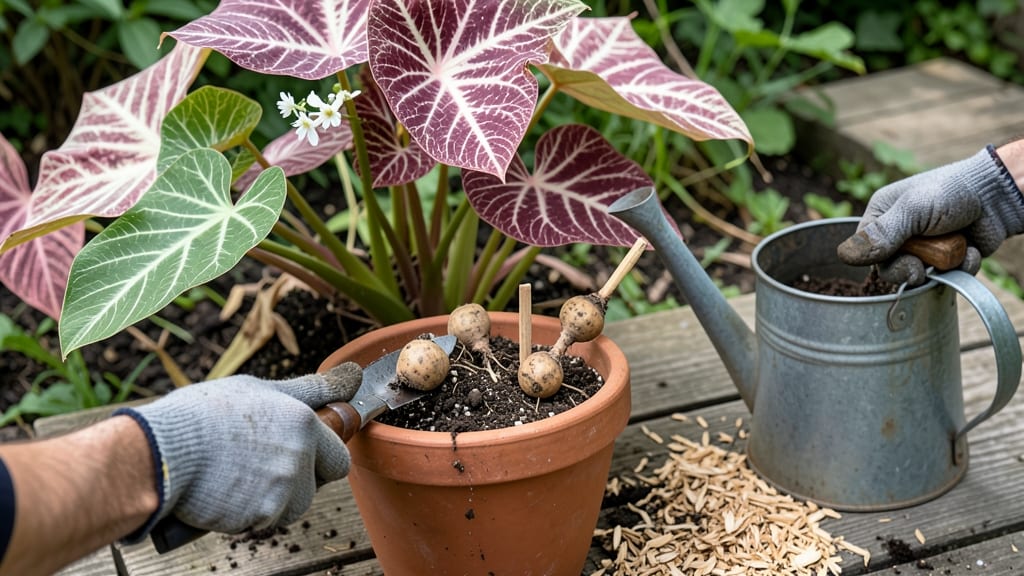
Planting caladium bulbs in Houston at the wrong time means your stunning 🌿 foliage could wilt before summer even begins.
These tropical beauties thrive when the soil warms up and the last frost has long faded—typically between March and April—but Houston’s heat and humidity add extra layers to get right.
Why does timing matter so much? Caladiums are sensitive to cold, and planting too early risks stunted growth or even bulb rot. But waiting too long? You might miss the ideal window for vibrant, lush leaves that make your garden pop.
The key is balancing Houston’s unpredictable spring weather with the perfect conditions these tubers crave.
In this guide, I’ll walk you through the exact month-by-month planting schedule for Houston’s Zone 9a climate, plus soil prep tips and care tricks to keep your caladiums thriving through the summer heat. No more guesswork—just a foolproof plan for show-stopping foliage.
Whether you’re a seasoned gardener or a first-timer, these insights will help you avoid common mistakes and ensure your caladiums become the star of your summer garden. Let’s get started!
Houston’s best planting window for caladium bulbs: month-by-month guide
Caladium bulbs thrive in Houston’s humid, heat-loving climate, but timing is critical to avoid wilting or stunted growth. Unlike cold-hardy plants, these tropical tubers need warm soil and consistent moisture to establish roots before summer’s intensity peaks.
In USDA Zone 9a, where Houston resides, the ideal window spans late February through April, aligning with soil temperatures above 60°F.
Houston’s urban heat islands can create microclimates where soil warms faster—especially in paved areas or near buildings. This means earlier planting (as early as February) may work in these zones, while shadier, cooler spots might need to wait until mid-April.
Always check your specific area’s last frost date, which typically falls around January 15th, but caladiums are frost-sensitive even as young sprouts.
Here’s a breakdown of what to expect each month, including soil prep tips and Houston-specific adjustments:
| Month | Soil Temp (°F) | Planting Readiness | Houston Adjustments |
|---|---|---|---|
| February | 55-60°F | Early starters in warm microclimates | Test soil with a thermometer; use black plastic mulch to warm soil faster |
| March | 60-65°F | Optimal planting window | Add compost to improve drainage; avoid waterlogged areas |
| April | 65-70°F | Last chance for full-season growth | Mulch with pine straw to retain moisture; protect from late frosts |
| May | 70°F+ | Too late for full blooms | Plant in containers for flexibility; expect shorter season |
For container gardening in Houston, you can plant caladium bulbs up to a month later (through May) since pots heat up faster. However, expect reduced foliage size if planted after mid-April.
The key is ensuring bulbs have 6-8 weeks of warm weather before Houston’s first fall frost (around December 15th), which signals dormancy.
If you’re in a shadier microclimate (like under large oak trees), delay planting until mid-April to avoid cold soil stress. Test soil temperature with a soil thermometer—caladiums won’t sprout until soil reaches 60°F consistently.
In sunny urban areas, soil may warm enough by late February, but always monitor for unpredictable late frosts.
Pro tip: Pre-soak bulbs in lukewarm water for 24 hours before planting to jumpstart root growth. This is especially helpful in Houston’s dry spells between spring showers. Pair this with a layer of mulch to lock in moisture and regulate soil temperature—critical for tropical tubers in our fluctuating climate.
Remember, caladiums are not frost-tolerant, even as mature plants. If an unexpected late spring frost threatens (which happens 1 in 5 years in Houston), cover plants with frost cloth or move containers to a sheltered spot.
The goal is to give them at least 120 days of warm weather to fully develop their showy foliage.
Finally, avoid planting in August or later—caladiums planted this late may not establish roots before Houston’s fall chill arrives. Instead, focus on early spring prep and container flexibility to maximize your summer-long color display. With the right timing, your caladiums will outshine even Houston’s summer heat.
Signs your Houston garden is ready for caladiums (and how to prep soil)
Houston’s humid summers and warm soil create perfect conditions for caladiums—but only if you plant them at the right time. Before digging in, check these 3 key signs your garden is primed for these tropical tubers.
First, test your soil temperature using a soil thermometer. Caladiums thrive when soil reaches at least 60°F. In Houston, this typically happens by mid-March, but urban heat islands may warm up earlier in south Houston neighborhoods.
🌱 Did You Know? Caladiums love moist, well-draining soil with a pH between 6.0 and 6.5. Houston’s clay-heavy soil often needs amendments to improve drainage and aeration.
Next, observe your neighboring plants. If impatiens, ferns, or coleus are already showing new growth, your garden is ready. These shade-loving plants share similar temperature preferences as caladiums.
Finally, check for consistent humidity. Houston’s summer air is naturally humid, but early spring can still be dry. Aim for 60%+ humidity—a hygrometer helps track this if you’re unsure.
⚠️ Houston-Specific Warning
Don’t plant too early! Houston’s unpredictable cold snaps (even in spring) can kill tender caladium tubers. Wait until after April 15 for extra safety in northern Houston areas like Katy or The Woodlands.
Once you’ve confirmed readiness, amend your soil with 2-3 inches of compost and a 1-inch layer of perlite to improve drainage. Mix in a slow-release fertilizer (10-10-10) to give your caladiums a nutrient boost as they establish roots.
For container gardening, use a well-draining potting mix with 50% peat moss or coconut coir. Place containers in partial shade (morning sun only) to prevent leaf scorch during Houston’s intense afternoon heat.