
Plants
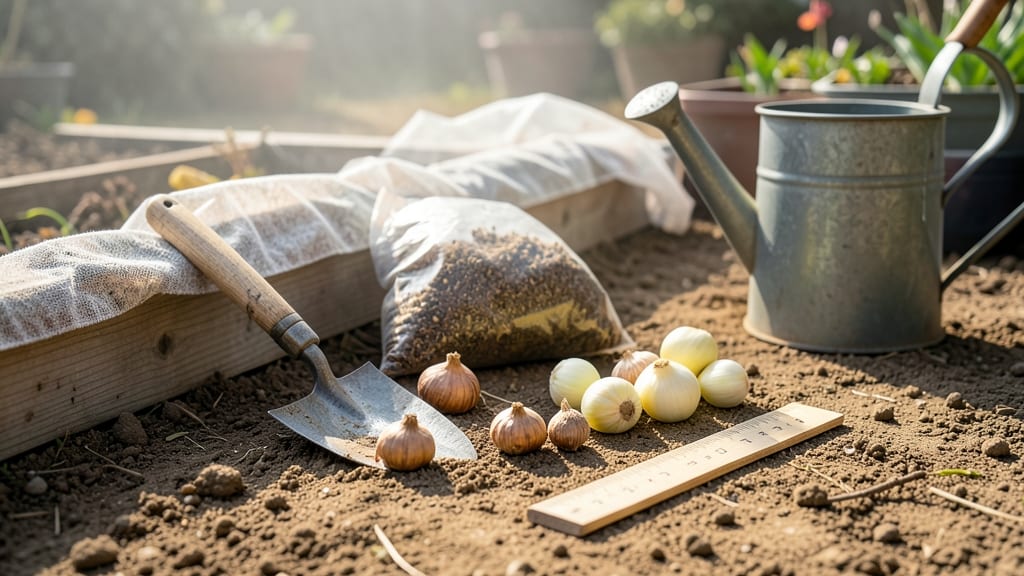
Planting Spring Bulbs (Tulips, Daffodils, Hyacinths, Crocus, etc.) 🌷 in Utah isn’t just about timing—it’s about outsmarting the state’s unpredictable frosts and dry spells. Miss the window, and your beautiful blooms might never even make it past winter.
But get it right, and you’ll be rewarded with vibrant spring color that brightens up even the coldest Utah days.
Most gardeners know fall is the ideal time to plant, but Utah’s 5b-7a zones and dramatic elevation changes mean you’ve got to be strategic. Whether you’re in Salt Lake City or St. George, the key is planting 6-8 weeks before the ground freezes—typically between mid-September and November.
This gives those bulbs the root growth they need to survive Utah’s harsh winters.
Here’s the game-changer: choosing the right varieties makes all the difference. Cold-hardy daffodils and alliums, for example, handle Utah’s late frosts like a champ, while tulips might need a little extra protection.
I’ll walk you through the best options and exactly how to prep your soil—because even Utah’s dry conditions can work in your favor with the right approach.
Ready to transform your yard into a springtime paradise? Let’s dive into the exact steps to plant your bulbs for maximum blooms, plus pro tips to keep them thriving through Utah’s wild weather swings. You’ve got this!
Best planting times for Utah bulbs: month-by-month guide
Utah’s USDA Zones 4-7 and dramatic elevation shifts from 2,800 to 14,000 feet create unique challenges for bulb planting. Unlike warmer climates, Utah’s early frosts and late snowfalls demand precise timing to ensure bulbs establish roots before winter sets in.
The key is planting 6-8 weeks before your first hard frost, which varies dramatically from Salt Lake City’s mid-October to St. George’s November.
For most Utah gardeners, fall planting (September-November) is ideal for spring-blooming bulbs like tulips, daffodils, and crocuses. This window allows bulbs to develop strong root systems before winter dormancy. Summer-blooming bulbs like dahlias and cannas should wait until late spring (May-June) after all frost risk has passed.
Understanding these deadlines is critical—plant too early, and bulbs may sprout before winter; too late, and they won’t root deeply enough.
Here’s how to adjust your planting schedule based on Utah’s microclimates. High-elevation areas like Park City (Zone 5) should plant 4-6 weeks earlier than low-desert regions like St. George (Zone 8).
For example, Salt Lake Valley gardeners should aim for September-October planting, while Southern Utah gardeners can extend planting until late October or early November.
🌱 Utah Bulb Planting Timeline by Month
Utah’s soil conditions also play a crucial role in timing. The state’s alkaline soils (pH 7.5-8.5) can stress bulbs, so amend planting areas with compost or peat moss to improve drainage and acidity.
For container gardening in higher elevations, plant bulbs in well-draining pots and keep them in a garage or cold frame until spring.
One common mistake Utah gardeners make is planting bulbs too shallow to avoid frost heave. While this might seem logical, bulbs need 6-8 inches of soil cover to insulate roots and prevent damage.
Use a trowel to create deep holes and add a layer of gravel at the bottom for drainage, especially in clay-heavy soils common in the Wasatch Front.
If you’re in a transition zone (Zone 6-7), like Provo or Spanish Fork, consider layered planting. Plant early bloomers (crocuses) in October, followed by mid-season tulips in November, and finish with late-blooming daffodils in December.
This extends your bloom season from early spring to late spring, giving you color for 6-8 weeks.
For high-altitude gardeners (Zone 4-5), like those in Ogden or Park City, focus on extra-hardy varieties like Siberian tulips, daffodils, and alliums. These bulbs tolerate colder soils and shorter growing seasons.
Plant them as early as August to give roots time to establish before the first snow, which can arrive as early as October.
Finally, always check your local frost dates using the Utah Climate Center’s frost calendar. While general guidelines help, Utah’s microclimates can vary by 10-14 days even within the same city. For example, Salt Lake City’s airport might have a different frost date than a nearby mountain community.
Adjust your planting schedule accordingly to avoid frost-damaged blooms or failed root establishment.
By following these month-by-month guidelines and accounting for Utah’s unique climate, you’ll enjoy vibrant, long-lasting bulb displays year after year—no matter where you garden in
Top 5 cold-hardy bulbs that thrive in Utah’s climate
Utah’s unpredictable springs and early frosts demand bulbs that can handle tough conditions. These five cold-hardy varieties consistently deliver vibrant blooms year after year, even in Utah’s USDA Zones 4–7. Each variety thrives with minimal fuss, making them perfect for gardeners who want low-maintenance color without the drama.
For best results, plant these bulbs in well-draining soil with full sun exposure. Most prefer 6–8 weeks before frost to establish roots, but their hardiness means they’ll bounce back even if winter arrives early. Let’s dive into the top performers that Utah gardeners swear by.
🌱 Did You Know? Utah’s high desert climate creates microclimates—what works in Salt Lake City (Zone 5b) may need adjustments for St. George (Zone 8a). Always check local frost dates!
| Bulb Variety | Planting Depth | Spacing | Bloom Time | Utah-Specific Tip |
|---|---|---|---|---|
| Daffodils (Narcissus) | 6–8 inches | 4–6 inches apart | March–April | Deer-resistant; plant in well-drained slopes to prevent rot. |
| Tulips (Tulipa) | 6–8 inches | 4–6 inches apart | April–May | Choose late-blooming varieties (e.g., ‘Darwin Hybrid’) to avoid frost damage. |
| Allium (Ornamental Onion) | 6–8 inches | 8–12 inches apart | May–June | Drought-tolerant; ideal for xeriscaping in Utah’s dry areas. |
| Crocus (Early Spring Crocus) | 3–4 inches | 3–4 inches apart | February–March | Plant in sheltered spots (e.g., near fences) to protect from late frosts. |
| Snowdrops (Galanthus) | 3–4 inches | 3–4 inches apart | January–February | Tolerates shade and cold—perfect for under trees or north-facing beds. |
My personal favorite for Utah gardens is daffodils—they’re deer-proof, long-blooming, and handle Utah’s dry springs like a champ. For a dramatic late-spring show, pair them with alliums, whose globular purple blooms contrast beautifully with daffodil yellows.
When planting, adjust depths for high-altitude areas (e.g., Park City) by adding 2–3 inches extra to protect bulbs from freeze-thaw cycles. In southern Utah (Zone 8a), you can push planting into late November without risking frost damage.
Remember: The key to success is well-draining soil. Utah’s clay-heavy soils in some areas can suffocate bulbs—amend with compost or sand if needed. With these varieties, you’ll enjoy colorful blooms even when Utah’s weather tries to throw a curveball! 🌷