
Plants
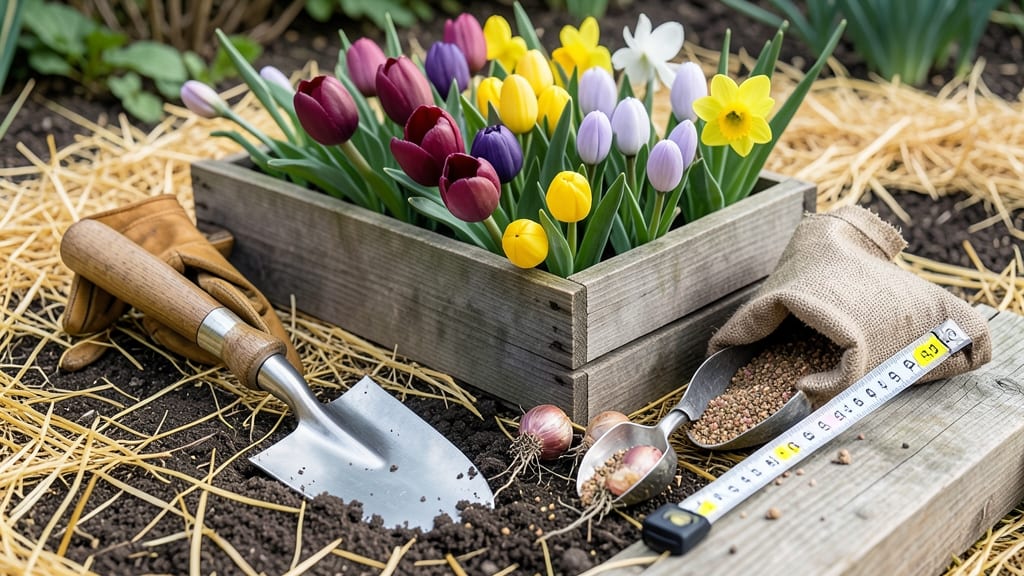
Planting Spring-Blooming Bulbs 🌷 at the wrong time in Minnesota can mean the difference between a garden bursting with color and a sad, half-blooming disappointment. The key isn’t just about the calendar—it’s about understanding how soil temperatures and frost dates play together in your specific corner of the state.
I’ve learned the hard way that waiting until the last minute—or planting too early—can leave your bulbs vulnerable to rot, frost damage, or even failure to bloom.
Whether you’re in the Twin Cities or up near Duluth, the 6-week window before the ground freezes is your golden opportunity, and missing it means waiting another year for those cheerful spring blooms.
What you’ll discover here is a foolproof timeline tailored for Minnesota’s Zone 3b-5b climate, including exactly when to plant for fall vs. spring blooms and how to adjust for your local frost dates. No more guesswork—just vibrant tulips, daffodils, and crocuses popping up right on schedule.
Ready to transform your garden? Let’s break down the exact steps, from soil prep to the last possible planting date, so you can enjoy months of color without the worry.
Minnesota bulb planting timing by type: fall vs spring guide
Planting bulbs in Minnesota’s Zone 5B requires precision—especially with unpredictable frost dates that can range from October 5 in Duluth to October 15 in the Twin Cities.
Most gardeners focus on fall planting for hardy bulbs like tulips and daffodils, but spring planting works for tender varieties like dahlias or cannas that can’t survive winter. The key is matching soil temperatures (ideal: 60°F) and frost-free windows.
For fall-planted bulbs, aim to finish 6 weeks before ground freezes—typically mid-September to early October in southern MN and late August to mid-September in northern regions. Spring-planted bulbs (like gladiolus) need to go in 4–6 weeks before your last frost, usually March–April.
The difference? Fall bulbs establish roots before winter, while spring bulbs rely on early warmth to sprout.
Here’s the breakdown for Minnesota’s most popular bulbs, including local frost-date adjustments and soil prep tips to avoid common mistakes like rot or frost heave.
| Bulb Type | Planting Window (MN) | Soil Temp Threshold | Depth (inches) | Frost Tolerance | Notes for MN Gardeners |
|---|---|---|---|---|---|
| Tulips | Sep 15–Oct 15 (fall) or Mar 15–Apr 15 (spring) | 60°F (fall) | 6–8" | Hardy to 20°F | Plant 3x bulb height deep; mulch after frost to prevent heave. |
| Daffodils | Sep 1–Nov 1 (fall only) | 50–60°F | 6–8" | Hardy to 10°F | Deer-resistant; ideal for woodland gardens with partial shade. |
| Crocus | Sep 1–Oct 15 (fall) or Mar 1–Apr 1 (spring) | 50°F | 3–4" | Hardy to 15°F | Early bloomers; plant shallow for snow crocus to emerge faster. |
| Allium | Sep 15–Oct 15 (fall) or Apr 1–May 1 (spring) | 55°F | 6–8" | Hardy to 10°F | Drought-tolerant; great for cut flowers and pollinators. |
| Dahlias | May 15–Jun 15 (spring only) | 60°F+ | 6–8" | Tender (dig up tubers) | Wait until soil warms and frost risk passes; stake tall varieties. |
| Hyacinths | Sep 15–Oct 1 (fall) or Mar 15–Apr 1 (spring) | 50°F | 6–8" | Hardy to 15°F | Fragrant blooms; plant in groups for scent and moisture retention. |
Notice how tender bulbs (dahlias, cannas) have no fall-planting option in Minnesota’s climate—they’re spring-only and must be dug up before frost. Meanwhile, hardy bulbs like daffodils can handle later fall planting (even into November) because they tolerate colder soils.
For northern MN (Zones 3–4), shift your timeline 2–3 weeks earlier—plant crocus and snowdrops by late August to ensure roots establish before earlier frosts. In southern MN (Zones 5–6), you’ve got a 2-week buffer—wait until mid-October for late-blooming tulips.
Pro tip: Use a soil thermometer to confirm 60°F soil temps before planting fall bulbs. If temps drop below 50°F, bulbs may rot before roots form. For spring planting, wait until daytime temps stay above 50°F consistently—usually after Mother’s Day in most of MN.
One more critical note: Minnesota’s clay-heavy soils can cause waterlogging in fall. Amend beds with compost or sand to improve drainage, and mulch heavily (4–6 inches) after planting to insulate bulbs and prevent frost heave.
This is especially important for tulips and hyacinths, which pop out of the ground if frozen soil expands.
Finally, don’t overlook local microclimates. A south-facing slope warms up faster in spring, while a low-lying area holds frost longer. Adjust your planting dates 1–2 weeks earlier for shady or cold pockets
5 Critical signs your Minnesota bulbs are ready to plant (before the first frost)
Timing your bulb planting in Minnesota’s Zone 5B hinges on reading both the soil and the sky. The 6-week rule—planting bulbs 6 weeks before the ground freezes—is your starting point, but local conditions can shift that window by weeks.
For example, dry sandy soil warms faster than clay-heavy ground, so adjust accordingly.
Check soil temperatures with a soil thermometer—ideal planting temps hover around 60°F (15°C). If your thermometer reads below 50°F (10°C), wait a week or two. Cold soil stresses bulbs, slowing root growth and leaving them vulnerable to winter rot or frost heave.
Next, press your finger 2 inches deep into the soil. If it feels cool but not frozen and drains well within 24 hours, your bulbs are ready. Soggy soil signals you’re too early—wait for it to dry out slightly to prevent bulb decay.
In northern Minnesota, this often means waiting until late September or early October.
Don’t overlook the bulb’s own signals. Snow crocus and squirrel corn can handle light frosts after planting, but tulips and hyacinths need roots established before temperatures dip below 40°F (4°C).
If you’re in southern Minnesota, you might squeeze in a late-September planting, while northern gardeners should aim for mid-October.
Pro tip: Plant hardy bulbs like alliums or grape hyacinths first—they tolerate colder soils and give you a 2-week buffer before frost. Save tender varieties like dahlias for late spring planting (after May 15 in most of MN) to avoid winter kill.
Finally, trust your local gardening community. Ask neighbors or check University of Minnesota Extension resources—they track real-time soil conditions and adjust deadlines yearly. When in doubt, plant early—bulbs won’t sprout until spring, but established roots mean bigger blooms next year. 🌱