
Plants
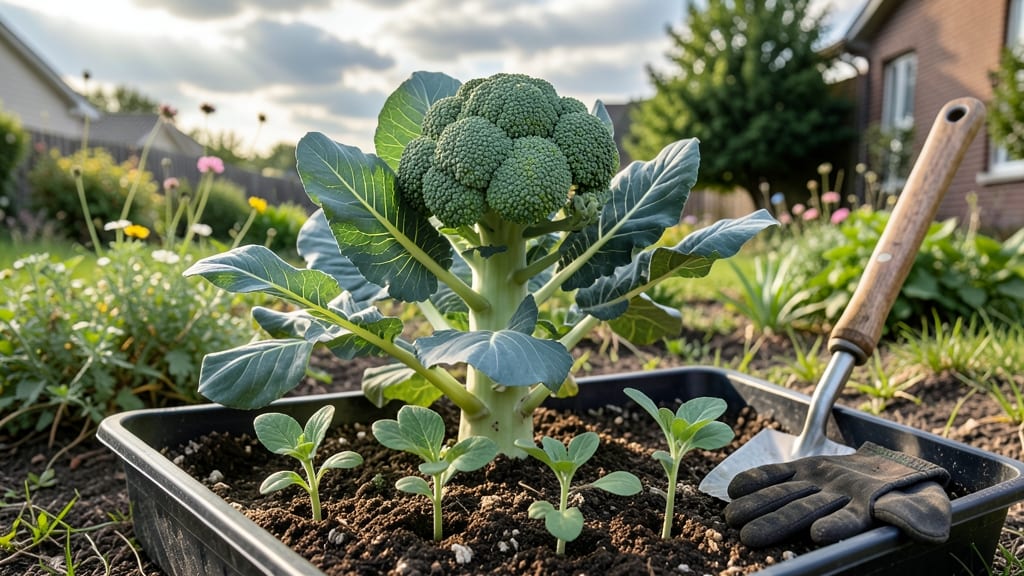
Planting broccoli 🥦 at the wrong time in Zone 7a can turn your garden dreams into a sad, bolted disappointment—but get the timing right, and you’ll enjoy a bounty of crisp, flavorful heads all season long.
Most gardeners in Zone 7a focus on spring planting, but fall offers a second chance for harvests that beat summer heat stress. The key is understanding your last frost date (March 15) and working backward to give your plants the 60-day growing window they need.
In this guide, I’ll walk you through the exact planting windows for both spring and fall, plus how to adjust for early or late starts. You’ll learn how to avoid common mistakes like planting too early (which triggers bolting) or too late (which leaves you with stunted heads).
Ready to grow broccoli that’s bigger, sweeter, and more abundant than ever? Let’s dive into the perfect planting schedule for Zone 7a—no guesswork required.
Zone 7a broccoli planting calendar: frost dates and seasonal windows
Planting broccoli in Zone 7a requires precision—miss the window, and you risk bolting (premature flowering) or stunted growth. The key is timing your spring and fall plantings around your last and first frost dates (typically March 15 and November 15 in Zone 7a).
For most gardeners, this means two planting seasons: early spring (February–March) and late summer (August–September).
Broccoli thrives in cool weather (50–75°F) and struggles when temperatures exceed 80°F. In Zone 7a, summer heat can cause plants to bolt, while early frosts can damage young seedlings. By aligning your planting with soil temperatures (40–50°F for germination) and frost-free periods, you’ll maximize your harvest potential.
Here’s how to calculate your local planting windows even if your exact frost dates vary slightly. Use your USDA Zone 7a average frost dates as a baseline, then adjust based on your microclimate (e.g., urban areas may warm faster than rural spots).
For example, if your last frost is March 20 instead of March 15, shift your spring planting 5 days later.
For spring planting, start seeds indoors 6–8 weeks before your last frost (around January 15 in Zone 7a) or sow directly outdoors 2–4 weeks before (late February). Transplants give you a 2-week head start over seeds, so opt for them if your season is short.
In fall, prioritize bolt-resistant varieties like 'De Cicco' or 'Calabrese' to handle the heat of late summer.
If your Zone 7a summer temperatures consistently hit 85°F+, consider using shade cloth (30–50%) or row covers to protect seedlings. For container gardening, choose dwarf varieties like 'Little Sprint' (harvestable in 50 days) and plant in black pots to absorb and retain heat.
Containers also let you move plants to shadier spots during heatwaves.
Pro tip: Test your soil temperature with a soil thermometer before planting. Broccoli seeds won’t germinate below 40°F, and soil that’s too warm (above 80°F) can cause bolting.
If your soil is too cold, cover seed beds with black plastic for 3–5 days to warm it up naturally.
One common mistake in Zone 7a is planting too early in spring and risking frost damage. To avoid this, use row covers or cold frames for the first 2–3 weeks after transplanting. For fall plantings, aim to harvest before November 15—after that, frosts will damage tender heads.
If you’re unsure about your exact frost dates, check your local cooperative extension service for hyper-local data.
For maximum yield, pair your broccoli with companion plants like dill, onions, or lettuce, which deter pests and improve soil health. Avoid planting near tomatoes or cabbage family members (like cauliflower), which can compete for nutrients or attract similar pests.
With the right timing and care, you’ll enjoy crisp, flavorful broccoli heads from May through November in Zone 7a.
Zone 7a broccoli planting calendar: frost dates and seasonal windows
In Zone 7a, broccoli thrives in cool seasons—spring and fall—when temperatures hover between 40°F and 75°F. Planting outside these windows risks bolting (premature flowering) or stunted growth.
The key is timing: aim for 4–6 weeks before your last frost in spring and 3 months before your first frost in fall.
Your average last frost date in Zone 7a is around March 15, while the first frost typically arrives November 15. Use these dates as your anchor, but adjust for local microclimates—valleys may frost earlier, while hillsides stay warmer.
For example, if your area frosts March 22, plant by February 20 for a spring harvest.
Broccoli seeds need soil temperatures between 40°F and 85°F to germinate. In Zone 7a, this means direct sowing in late February–March (spring) or late August–September (fall). For transplants, wait until soil warms to at least 50°F—usually mid-March for spring and early September for fall—to avoid cold shock.
🌱 Zone 7a Broccoli Planting Summary
| Season | Planting Window | Soil Temp | Harvest Time |
|---|---|---|---|
| Spring | Late Feb–March (direct sow) / Mid-March (transplants) | 40°F–85°F | May–June |
| Fall | Late Aug–Sept (direct sow) / Early Sept (transplants) | 50°F–75°F | Oct–Nov |
💡 Pro Tip: Use bolt-resistant varieties like 'Waltham 29' or 'De Cicco' for Zone 7a’s heat spikes.
For spring planting, start seeds indoors 6–8 weeks before your last frost (around January 20 in Zone 7a) if you prefer transplants. Harden off seedlings for 7–10 days before transplanting to 6–12 inches apart in rows 18–24 inches apart.
In fall, plant seeds 8–10 weeks before frost (by September 5) to ensure heads mature before cold sets in.
Watch for late spring frosts (after March 15) or early fall heatwaves—both can stress broccoli. Use row covers if nights dip below 40°F or shade cloth (30–50%) if daytime temps exceed 80°F. Mulch with straw or grass clippings to stabilize soil temps and retain moisture during dry spells.
Adjust your schedule if your Zone 7a microclimate varies. Urban areas may stay 5–10°F warmer than rural zones, delaying frost. Check your local cooperative extension service for precise frost data—this small adjustment can double your harvest success. Test soil temps with a thermometer before planting to avoid cold-related setbacks.