
Plants
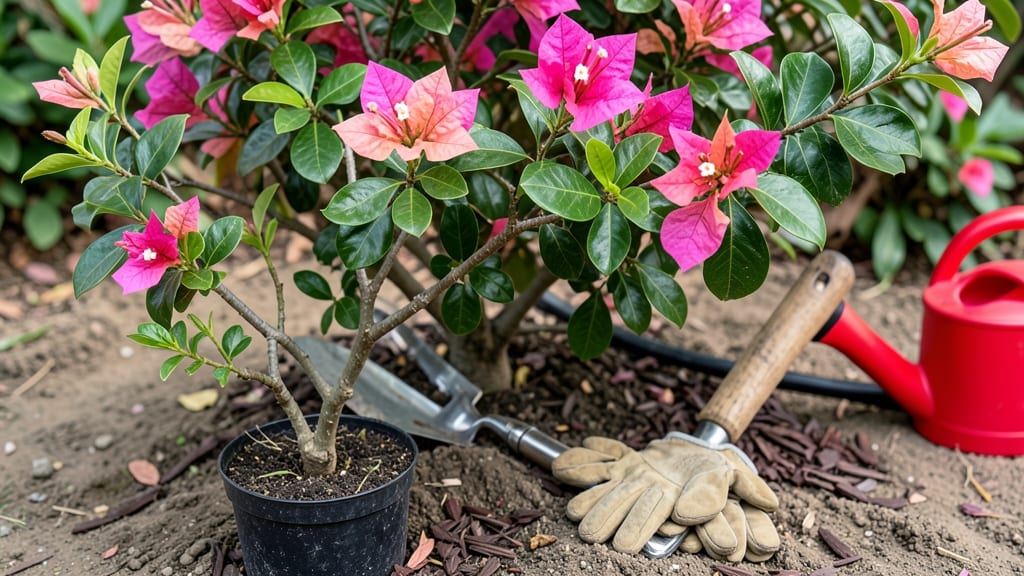
If you've ever wondered when to plant bougainvillea in Arizona, the answer isn't just about avoiding frost—it's about outsmarting the desert's brutal heat. This vibrant 🌺 thrives in USDA Zone 9b, but timing matters more than you'd think.
Plant too early, and you risk stressing young roots before summer hits; too late, and you might miss the ideal window for establishing strong growth before the real heat arrives.
Most gardeners in Arizona swear by January-February or September-November planting, but there's actually a science to it. The key is giving your bougainvillea time to develop a deep root system before the 110°F+ temperatures hit.
I've seen firsthand how plants started in late winter bounce back from summer's intensity, while those planted too close to spring often struggle.
Don't let the 365 frost-free days fool you—this isn't about avoiding cold, it's about preparing for the real challenge: Arizona's relentless sun. The right timing means the difference between a bougainvillea that flourishes with year-round blooms and one that wilts under the pressure.
Let me show you exactly how to get it right.
Whether you're planting in the ground or containers, I'll walk you through the heat-resistant timeline that's worked for me—and thousands of other Arizona gardeners. Spoiler: It's not what you might expect, and the best time might surprise you.
Optimal planting windows for bougainvillea in Arizona’s climate zones
Arizona’s desert climate creates unique challenges for bougainvillea planting, but understanding your local microclimate is key to success. The state spans USDA Zones 6b-10a, with Phoenix and Tucson in Zone 9b and Flagstaff in Zone 7a.
These zones dictate when to plant for root establishment before summer heat arrives.
For most of Arizona, the ideal planting window falls between mid-January and mid-February. This timing allows roots to establish before 100°F+ temperatures hit in May. However, high-elevation areas like Flagstaff can plant slightly later, up to early March, due to cooler spring temperatures.
A second planting window exists for fall blooms: September through November. This works well in low-desert regions where nights stay warm, but avoid planting after mid-October in cooler areas, as roots may struggle to harden before winter.
Bougainvillea thrives in Arizona’s full sun (6+ hours daily), but young plants need protection from intense afternoon heat during their first summer. Using shade cloth (30-50%) for the first 30 days helps reduce transplant shock.
Soil preparation is critical—bougainvillea hates soggy roots. Amend native soil with gravel or perlite to improve drainage, especially in clay-heavy areas like Tucson’s Santa Cruz River valley. A slightly acidic to neutral pH (6.0-7.0) ensures optimal nutrient uptake.
Phoenix vs. Tucson vs. Flagstaff planting timelines differ due to elevation and temperature variations. Phoenix’s low desert heat demands earlier planting, while Flagstaff’s cooler springs allow a later start. Let’s break down the specifics:
| Location | Best Planting Window | Key Consideration | Risk to Avoid |
|---|---|---|---|
| Phoenix (Zone 9b) | Mid-January to mid-February | Establish roots before 110°F+ summers | Planting after March 15 risks heat stress |
| Tucson (Zone 9a) | Late January to early March | Cooler nights in Santa Cruz River area | Clay soil can cause root rot if not amended |
| Flagstaff (Zone 7a) | Early March to mid-April | Later frost risk (28°F possible) | Frost damage if planted too early |
| Sedona (Zone 7b) | Late February to early April | Microclimates allow earlier blooms | Wind exposure can dry out young plants |
Planting bougainvillea in early spring (January-February) gives roots 3-4 months to establish before summer’s peak. This results in vibrant blooms by June, whereas late spring plantings may struggle with heat stress and delayed flowering.
For container planting, timing shifts slightly—you can plant up to April in low-desert areas, as pots dry out faster and reduce heat stress. However, ground planting always benefits from the earlier window to leverage soil moisture retention.
Watch for local weather patterns, like the Monsoon season (July-September), which can provide relief from extreme heat. Planting in late summer (August-September) for fall blooms works if you use drip irrigation to manage moisture during transition periods.
Pro tip: Use mulch (2-3 inches) of gravel or bark after planting to regulate soil temperature and reduce water evaporation—a game-changer in Arizona’s 110°F+ summers.
How to time bougainvillea planting for maximum heat resistance
Arizona’s intense summer heat can overwhelm young bougainvillea plants if not properly timed. The key is planting when soil temperatures are warm but before peak 110°F+ days arrive. This window—typically mid-February to early April—gives roots time to establish before the brutal desert sun peaks in June.
For container-grown bougainvillea, you can push planting slightly later (May) since pots heat up faster. However, always acclimate plants gradually to full sun over 7-10 days to avoid sunburned leaves. Start by placing them in partial shade for a week before moving to their final sunny spot.
Here’s the critical timeline: Plant in February for spring blooms, or September-October for fall/winter color. Avoid planting in May or June—the heat shock will stunt growth and delay flowering for months.
🌡️ Heat Stress Warning
Signs your bougainvillea is overheating: Drooping leaves, crispy leaf edges, or sudden leaf drop. Immediate action: Move to dappled shade and water deeply at soil level (not overhead).
Mulching is non-negotiable in Arizona. Apply 3-4 inches of organic mulch (like bark or gravel) around the base to retain moisture and regulate soil temperature. This simple step can reduce watering needs by 30% while protecting roots from extreme heat fluctuations.
Watering strategy is just as critical. Deep, infrequent watering (every 7-10 days for established plants) encourages deep root growth. Shallow watering leads to weak, surface roots that bake in the sun. Use a soaker hose or drip irrigation to deliver water directly to the root zone without wetting foliage.
Pro tip: If you’re planting in Flagstaff’s cooler microclimate, you can extend your window to late March. The higher elevation means slightly milder summers, giving plants extra time to harden off. Monitor local 10-day forecasts—if highs stay below 95°F for a week, it’s safe to plant.