
Plants
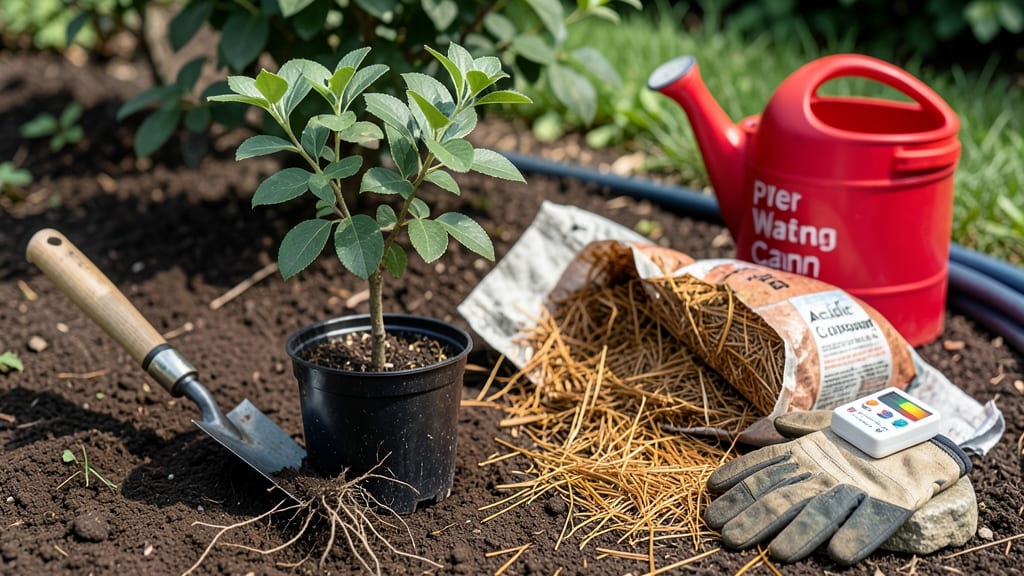
Planting your 🫐 blueberries at the wrong time in Zone 6 can mean the difference between a thriving bush and one that struggles to survive—here’s exactly when to plant for maximum success.
If you’ve ever wondered why some blueberry bushes flourish while others wither, timing is the key. Zone 6’s unpredictable frost dates and soil temperature swings make choosing the right window critical.
Whether you’re planting in-ground or in containers, getting the timing right ensures your bushes establish strong roots before winter hits.
Spring and fall both offer ideal opportunities, but each has unique advantages. In spring, you’ll avoid late frosts that can damage tender new growth, while fall planting gives roots time to settle before winter dormancy.
I’ll break down the best months, soil conditions, and microclimate factors to help you decide which approach works best for your garden.
Ready to set your blueberries up for a bountiful harvest? Let’s dive into the science behind the perfect planting window so you can enjoy sweet, homegrown 🫐 berries come July and August.
Best planting times for blueberries in Zone 6: spring vs fall breakdown
Blueberries thrive in Zone 6 when planted at the right time, but timing matters more than you might think. The ideal window depends on whether you choose spring or fall planting, each with distinct advantages.
In my experience, fall planting often gives blueberries a head start, but spring planting works well if done correctly. Let’s break down the best times for each season and what your soil and climate need to support strong root growth.
For spring planting, aim for late April to early June after the last frost date in your area. In Zone 6, this is typically around mid-May, but check local frost forecasts to be safe.
Spring planting allows roots to establish before summer heat sets in, but it requires careful soil preparation to avoid stressing young plants. On the other hand, fall planting in September to October gives roots time to grow before winter dormancy, often resulting in stronger bushes by spring.
Here’s the key difference: Spring-planted blueberries need consistent moisture as they establish, while fall-planted bushes benefit from cooler temperatures and natural rainfall. Both methods work, but your choice depends on your local climate, soil conditions, and how much time you can dedicate to post-planting care.
| Factor | Spring Planting (Late April - Early June) | Fall Planting (September - October) |
|---|---|---|
| Soil Temperature | 50-60°F (warm enough for root growth) | 40-50°F (cooler but still active) |
| Root Establishment | Moderate (summer heat can stress young roots) | Excellent (roots grow before winter dormancy) |
| Watering Needs | High (consistent moisture required) | Moderate (natural rainfall helps) |
| Frost Risk | Low (after last frost) | Moderate (early frost can damage new roots) |
| Best For | Gardeners with time to monitor soil moisture | Those who prefer less summer maintenance |
If you’re planting in spring, prioritize soil acidification and mulching to retain moisture. Blueberries need a pH of 4.5-5.5, so test your soil before planting. In contrast, fall planting lets you focus on root establishment without the stress of summer heat.
Both methods require well-draining soil, so amend your garden beds with compost or peat moss if needed.
One common mistake I see is planting too early in spring, when soil is still cold. Blueberry roots need warmer temperatures (50°F+) to grow actively. Use a soil thermometer to check—if it’s below 50°F, wait a few weeks.
For fall planting, avoid planting too late, as roots need time to establish before the ground freezes. Aim to plant at least 4-6 weeks before your first frost.
Container-grown blueberries can adapt to either season, but in-ground plants benefit more from fall planting. If you’re unsure, observe your local climate: if your summers are hot and dry, spring planting might be better.
If your falls are mild and wet, go for fall. Both seasons offer success, but the right timing ensures your blueberries get off to a strong start.
Pro tip: If you miss the ideal window, don’t panic. Bare-root blueberries can be planted in early spring or late fall with proper care. Just adjust your watering and mulching to support the transition.
The key is giving your plants the best possible conditions for root growth, whether you plant in spring or fall.
🌱
Critical factors that determine the perfect planting window in Zone 6
Timing your blueberry planting in Zone 6 isn’t just about picking a season—it’s about understanding soil temperatures, frost risks, and moisture availability. These three factors work together to create the ideal window for planting, ensuring your bushes establish strong roots before winter or summer stresses arrive.
First, soil temperature is your most critical clue. Blueberries need soil that’s warmed to at least 50°F (10°C) before planting. In Zone 6, this typically happens around late April to early May for spring plantings.
For fall, aim to plant when soil temps drop below 60°F (15°C)—usually mid-September to early October—so roots have time to harden off before frost.
Frost dates in Zone 6 are your next big consideration. The last average frost date is around mid-May, but late frosts can linger until early June. Planting too early risks exposing young roots to cold snaps. Conversely, fall planting must finish 6-8 weeks before the first frost (typically mid-October) to allow roots to establish before dormancy.
Don’t overlook moisture availability. Blueberries thrive in consistently moist soil, but soggy conditions can suffocate roots. Spring planting benefits from natural rainfall, while fall planting requires deep watering every 1-2 weeks to prevent drought stress as temperatures drop. In-ground plantings have an edge here, as containers dry out faster.
Your microclimate can shift these windows by weeks. If you’re in a sheltered valley or near a large body of water, you might plant 2-3 weeks earlier in spring or 1-2 weeks later in fall. Conversely, exposed hilltops or urban heat islands may require adjustments in the opposite direction.
Finally, consider your blueberry variety. Southern highbush types (like 'Southern Blue' or 'Premier') tolerate slightly warmer soils and can handle later spring plantings. Northern highbush (like 'Bluecrop') prefer cooler soils and are better suited to early spring or early fall plantings.
Balancing these factors ensures your blueberries get the best possible start—whether you’re planting in spring’s warming soils or fall’s cooling air. The key is to act when conditions align, not when your schedule allows.
🌱 Key Takeaways for Zone 6 Planting
- Soil Temp: Wait until soil reaches 50°F (10°C) for spring; plant before it drops below 60°F (15°C) in fall.
- Frost Window: Spring: after mid-May | Fall: before mid-October.
- Moisture: Keep soil consistently moist but never waterlogged.
- Microclimate: Adjust timing by 1-3 weeks based on local shelter or exposure.
- Variety Matters: Southern types tolerate warmer soils; Northern types prefer cooler conditions.
Pro Tip: Use a soil thermometer to monitor temperatures—it’s the most accurate way to time your planting!
Once you’ve locked in the perfect window, the next step is preparing your soil and site. Acidic soil (pH 4.5-5.5) is non-negotiable for blueberries, and mulching will protect those young roots from temperature swings.
But that’s a topic for our next section—where we’ll dive into the pre-planting prep that sets your bushes up for years of success.