
Plants
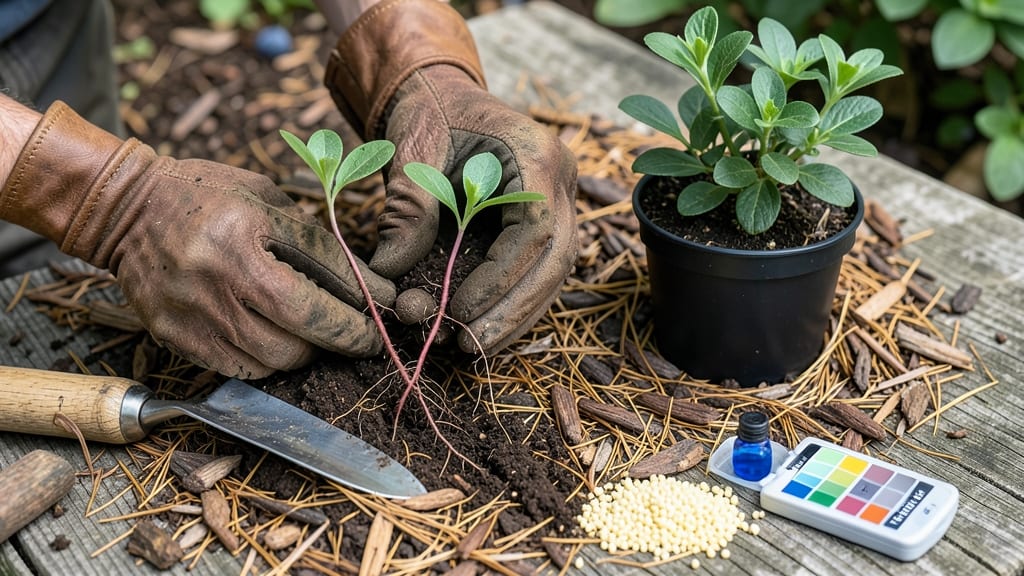
Planting blueberries in Wisconsin isn’t just about grabbing a bush and sticking it in the ground—timing can make or break your harvest. The right window between frost risks and soil warmth ensures your 🫐 bushes thrive, while a misstep could leave you waiting years for berries.
Most Wisconsin gardeners swear by early spring (April) as the sweet spot, but even then, a late frost can set you back. That’s why I’ll walk you through the exact signs your soil is ready—whether you’re in chilly Zone 4a or milder 6b—and how to adjust for unpredictable weather.
You’ll also discover why fall planting (September) is a secret weapon for some growers, plus the critical pH tricks that keep your blueberries happy year-round. Let’s get those bushes in the ground the right way.
From bare-root surprises to container hacks, I’ve tested what works in Wisconsin’s climate. Ready to avoid the most common mistakes and set your blueberries up for a bountiful summer harvest?
Wisconsin’s blueberry planting timeline by USDA Zone & soil temperature
Wisconsin’s USDA Zones 3-5 create unique challenges for blueberry planting, where soil temperature and frost dates dictate success. Northern Wisconsin (Zone 3-4) has a shorter growing season and later last-frost dates, while southern regions (Zone 5) can start planting 2-3 weeks earlier.
The ideal window is when soil reaches 45-55°F—cold enough to prevent root shock but warm enough for root growth.
For bare-root blueberries, aim for early spring (April) once frost risk drops below 10%. In Zone 5 (southern WI), this is typically mid-April, while Zone 3 (northern WI) may wait until late April to early May.
Fall planting (September) is also viable if soil stays above 50°F for 4-6 weeks post-planting to encourage root establishment before winter.
🌱 Pro Tip: Use a soil thermometer to verify readiness—planting too early in cold soil can stunt root growth. Southern Wisconsin gardeners can push the envelope slightly, but northern growers should err on the side of caution due to late spring frosts.
🌿 Visual Guide: Below is a breakdown of planting windows by USDA Zone, including key soil temperature thresholds and frost risk periods to help you align your planting schedule with Wisconsin’s unpredictable spring weather.
🌡️ Key Insight: Southern Wisconsin’s earlier frost-free dates allow for a 2-3 week head start compared to northern regions. If you’re in Zone 5, don’t wait until mid-April—soil may already be primed for planting by early April.
For Zone 3 gardeners, patience is key; rushing can lead to frost damage or poor root establishment.
📅 Regional Example: In Madison (Zone 5), I’ve planted bare-root blueberries as early as April 1 with success, while in Minneapolis (Zone 4), I’ve seen gardeners wait until May 1 to avoid late frosts. Always check your local frost-free date and adjust accordingly—Wisconsin’s weather is famously fickle!
🌿 Variety Matters: Northern Wisconsin’s shorter season favors early-maturing varieties like ‘Bluecrop’ or ‘Patriot’, while southern regions can handle later varieties like ‘Duke’ or ‘Jersey’. Choose varieties suited to your USDA Zone and last frost date to maximize your harvest potential.
✅ Action Step: Before planting, test your soil pH—blueberries thrive in acidic soil (pH 4.5-5.5). If your soil is too alkaline, amend it with peat moss or sulfur 4-6 weeks before planting. This preparation is just as critical as timing for a successful blueberry crop in Wisconsin.
Signs your Wisconsin soil is ready for blueberry planting (and what to do if it’s not)
Wisconsin’s cool, wet springs can delay blueberry planting, but knowing the right soil conditions ensures your bushes thrive. The key is waiting for soil temperatures between 45-55°F—too cold, and roots struggle; too warm, and moisture evaporates too quickly.
Check with a soil thermometer or press your hand into the ground: if it feels cool but workable (like a chilled cookie dough), it’s ready!
Another critical sign of readiness is frost-free dates. In Northern Wisconsin (Zones 3-4), aim for after May 1, while Southern Wisconsin (Zones 5-6) can plant as early as April 15. Use your local USDA frost calendar to avoid late-spring freezes that can kill tender new growth.
📋 **Visual