
Plants
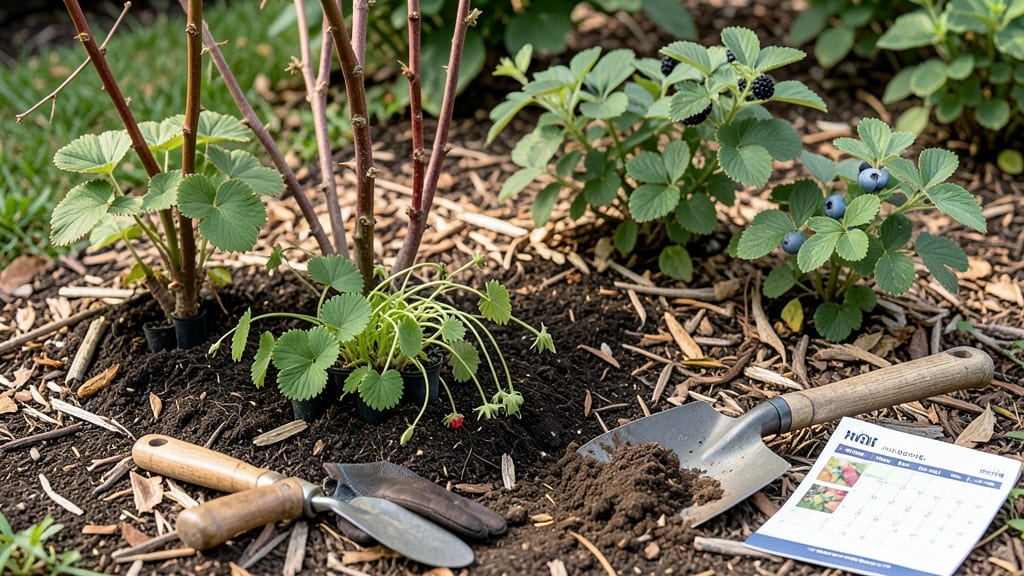
Best months to plant popular berry varieties in Zone 8
Planting berries in Zone 8 requires precision—timing varies dramatically between varieties like strawberries (cool-season lovers) and blackberries (heat-tolerant perennials). Fall planting is ideal for most shrubs, while spring suits tender varieties. Let’s break it down by your top berry picks to avoid frost damage or stunted growth.
Zone 8’s last frost date typically lands in mid-March, but microclimates can shift this by 1-2 weeks. For everbearing raspberries, this means planting in September-October gives roots time to establish before winter dormancy. Meanwhile, June-bearing strawberries prefer early spring (February-March) to fruit in their first season.
Here’s what you need to know before digging in:
| Variety | Best Planting Window | Key Notes |
|---|---|---|
| Strawberries | Feb-Mar (spring) or Aug-Sept (fall) | Cool-season; June-bearing types need chill hours. Use mulch to protect crowns in winter. |
| Blueberries | Oct-Nov (fall) or early Feb-Mar | Acidic soil (pH 4.5-5.5) required. Fall planting lets roots establish before spring growth spurt. |
| Raspberries | Sept-Oct (fall) for everbearing; spring for summer-bearing | Everbearing types produce 2 crops/year if planted in fall. Prune canes after harvest. |
| Blackberries | Sept-Oct (fall) or early Feb-Mar | Heat-tolerant but needs 6+ hours sun. Fall planting avoids spring drought stress. |
| Gooseberries | Oct-Nov (fall) or Feb-Mar | Cold-hardy; thrives in partial shade. Fall planting reduces pest pressure next season. |
For blueberries, the fall window (October-November) is critical—they need time to establish roots before Zone 8’s first frost (mid-November). I’ve had the best luck with ‘Duke’ and ‘Tifblue’ varieties, which handle our humid summers better than others.
If you’re planting strawberries in spring, aim for February-March to give them 8-10 weeks of growth before summer heat sets in. June-bearing types like ‘Chandler’ need those chill hours, while everbearing ‘Albion’ can handle both spring and fall plantings.
Pro tip: Check your local USDA frost map—some Zone 8 microclimates (like coastal areas) can have later last frosts (April) or earlier first frosts (October). Adjust your timing by 2-3 weeks if you’re near the coast or in a valley.
Soil prep matters just as much as timing. For acid-loving blueberries, amend your soil with peat moss or sulfur 4-6 weeks before planting. For raspberries and blackberries, focus on well-draining soil with compost to retain moisture during Zone 8’s dry spells.
Remember: Fall-planted berries often outperform spring-planted ones because they establish roots before summer heat stress. But if you miss fall, don’t panic—just adjust your watering schedule and mulch depth to protect young plants.
🌱
How to adjust planting timing for fall vs. spring in Zone 8
Choosing between fall and spring planting for berries in Zone 8 depends on your variety and local microclimate. Fall planting (September-October) gives roots time to establish before winter, while spring planting (February-March) avoids frost risks. I’ve planted both ways—here’s what works best for my raspberries and blackberries.
For perennial berries like raspberries and blackberries, fall planting is ideal because the cool weather encourages root growth without stressing the plant. Ever-bearing varieties (like Heritage raspberries) benefit most from this timing, producing fruit the following year. Summer-bearing varieties (like Boyne blackberries) can also be planted in fall but may need winter protection in colder Zone 8 microclimates.
Spring planting is safer for tender varieties like strawberries or gooseberries, which can’t handle winter cold. If you choose spring, plant as soon as the soil is workable (around mid-March in most of Zone 8) to avoid late frosts. Bare-root plants should go in the ground within 24 hours of purchase to prevent drying.
🌱 Pro Tip: Check your last frost date—most of Zone 8 averages mid-March, but coastal areas (like San Diego) may be frost-free by February. Use this frost date calculator to adjust timing.
🔢 Key Steps for Fall vs. Spring Planting
- 🌿 Fall Planting (Sept-Oct): Amend soil with compost and organic matter 2 weeks before planting. Water deeply after transplanting to reduce shock.
- 🍂 Mulch heavily (3-4 inches) with straw or wood chips to insulate roots from winter temperature swings.
- ❄️ Spring Planting (Feb-Mar): Wait until soil warms to 60°F (test with a soil thermometer). Plant on a cloudy day to reduce transplant shock.
- ☀️ Water consistently for the first 4-6 weeks to encourage root establishment, aiming for 1-1.5 gallons per plant weekly.
- 🌱 Fertilize lightly in spring (March) with a balanced 10-10-10 fertilizer to support new growth.
One mistake I made early on was planting blueberries in spring without adjusting the soil pH. Blueberries need acidic soil (pH 4.5-5.5), and spring planting gave them no time to acclimate. Now, I always test and amend soil 3 months before planting, whether in fall or spring.
For Zone 8 microclimates, consider your elevation and proximity to water bodies. Coastal areas (like Santa Barbara) can plant 2 weeks earlier than inland zones (like Phoenix). High-desert regions (e.g., Flagstaff’s lower elevations) may need to delay spring planting until April to avoid late frosts.
💡 Remember: Fall-planted berries often outperform spring-planted ones in Zone 8 because they establish roots before summer heat. However, strawberries and gooseberries are exceptions—they’re best planted in early spring to avoid winter dieback.