
Plants
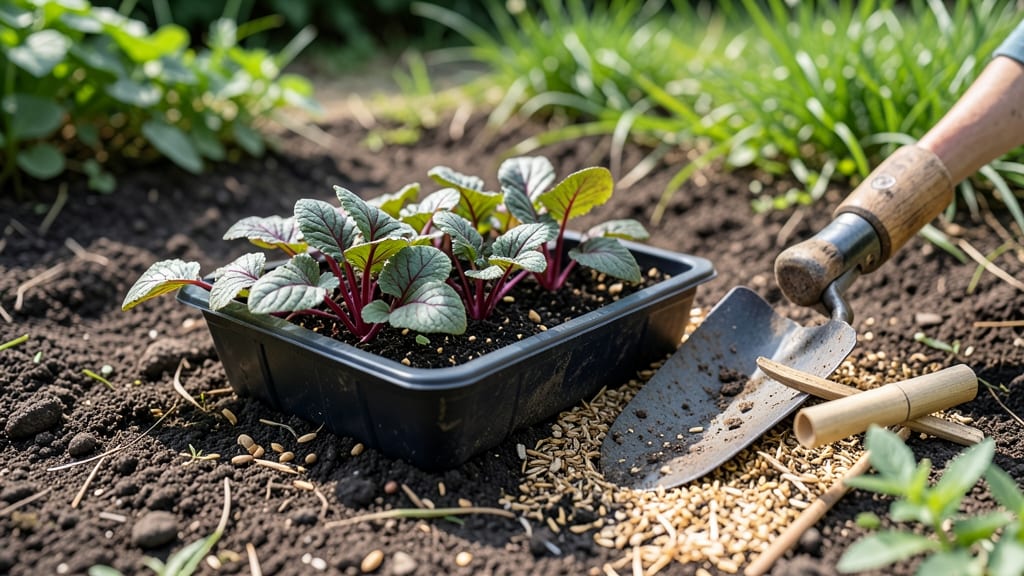
Planting beets in Zone 7a at the wrong time can mean slow germination and disappointing harvests—unless you know the soil temperature secrets that speed up those 🍠 sprouts.
Most gardeners in 7a wait until after the last frost, but that’s not always the fastest path to success. The key is planting when soil temperatures hit 40°F in spring or 85°F in late summer, giving seeds the ideal conditions to wake up and grow.
In this guide, I’ll break down the exact planting windows for your zone, plus soil prep tricks to ensure fast germination and healthy roots. Whether you’re a first-timer or a seasoned grower, these insights will help you time your beet planting perfectly.
Ready to grow beets that sprout in days instead of weeks? Let’s dive into the best months, soil temps, and variety choices that work in 7a’s climate.
Optimal planting windows for beets in Zone 7a by soil temperature
In Zone 7a, the key to growing fast-sprouting beets lies in understanding soil temperature—not just air temperature. Beet seeds need soil between 40°F and 85°F to germinate reliably.
Plant too early, and cold soil slows growth; too late, and summer heat stresses seedlings. Let’s break down the perfect planting windows for your region.
For spring beets, aim to plant when soil reaches 45°F—typically 2-4 weeks before your last frost date (March 15 in Zone 7a). This gives roots time to mature before summer heat arrives.
In my garden, I’ve found that late March to early April works best, but always check with a soil thermometer for accuracy.
If you want fall beets, focus on late summer planting (August-September) when soil temps drop below 80°F. This ensures harvests before the first frost (November 15). I’ve had great success with August 15 plantings—just be sure to thin seedlings to avoid overcrowding as they bulk up.
Here’s the golden rule: Beets germinate fastest in 55°F-75°F soil. Below 45°F, germination slows dramatically, and above 85°F, seeds may fail to sprout. Use row covers or mulch to stabilize soil temps if needed.
| Planting Window | Soil Temp Range | Germination Time | Notes |
|---|---|---|---|
| Early Spring | 45°F–55°F | 10–14 days | Use row covers for faster sprouting |
| Late Spring | 55°F–75°F | 5–7 days | Ideal for Zone 7a (March–April) |
| Late Summer | 60°F–75°F | 7–10 days | Avoid planting after August 30 |
| Fall | 50°F–65°F | 12–16 days | Harvest before first frost |
Pro tip: Direct sow seeds—beets hate transplanting. Scatter seeds ½ inch deep, 1–2 inches apart, and thin to 3–4 inches once seedlings emerge. In my experience, thinning early prevents competition and ensures larger roots.
For successive planting, sow new seeds every 2 weeks in spring and 3 weeks in fall. This extends your harvest window and keeps pests from decimating your entire crop at once. I’ve used this method to enjoy beets from May through November!
Watch for soil crusting after rain—it can smother seedlings. Gently loosen soil with a finger or hula hoe to improve air circulation. In Zone 7a’s humidity, this step is non-negotiable for healthy growth.
Remember, beets are cool-season crops. They’ll bolt (go to seed) if stressed by heat or drought. Mulch with straw or grass clippings to retain moisture and regulate soil temperature. My golden rule: Consistent moisture = sweeter beets.
Finally, test your soil before planting. Beets thrive in pH 6.0–7.0. If your soil is too acidic, add lime; if alkaline, mix in sulfur or compost. A simple $10 soil test kit saves time and heartache later.
Optimal planting windows for beets in Zone 7a by soil temperature
Timing your beet planting in Zone 7a isn’t just about avoiding frost—it’s about hitting the sweet spot in soil temperature for fast germination. Beet seeds need soil that’s at least 40°F to wake up from dormancy, but they’ll bolt (go to seed) if soil gets too hot.
Here’s how to nail the perfect window.
In Zone 7a, your best bets are early spring (March-April) and late summer (August-September). These windows balance cool soil temps with enough warmth to trigger germination without stressing the plants. I’ve planted beets in February before, but the slow, uneven sprouts weren’t worth the risk.
Use a soil thermometer to check temps before planting—aim for 40°F-50°F in spring and 60°F-85°F in late summer. If temps climb above 85°F, germination slows dramatically, and seeds may rot before sprouting.
Here’s a quick breakdown of your planting windows with germination speed insights:
| Planting Window | Soil Temp Range | Germination Time | Notes |
|---|---|---|---|
| Early Spring (March-April) | 40°F-50°F | 7-14 days | Fastest sprouts; avoid planting too early (risk of frost) |
| Late Summer (August-September) | 60°F-85°F | 10-21 days | Slower but reliable; harvest before first frost |
| Fall (October-November) | 50°F-60°F | 14-28 days | Risky; only try with cold-hardy varieties |
For Zone 7a gardeners, I recommend sticking to the first two windows—early spring and late summer. These give you the best balance of fast germination and harvest success.
If you’re eager to try fall planting, use cold-hardy varieties like Detroit Dark Red and plant at least 8 weeks before frost.
Pro tip: If your soil stays too cold in spring, try black plastic mulch to warm it up by 10-15°F. This trick has helped me shave weeks off germination time in cooler microclimates. Just remove it once seeds sprout to avoid overheating.
Now that you’ve got the timing down, let’s talk soil prep—because even the best planting window won’t help if your soil isn’t ready. Next, I’ll show you how to create the perfect beet-growing environment in Zone 7a.