
Plants
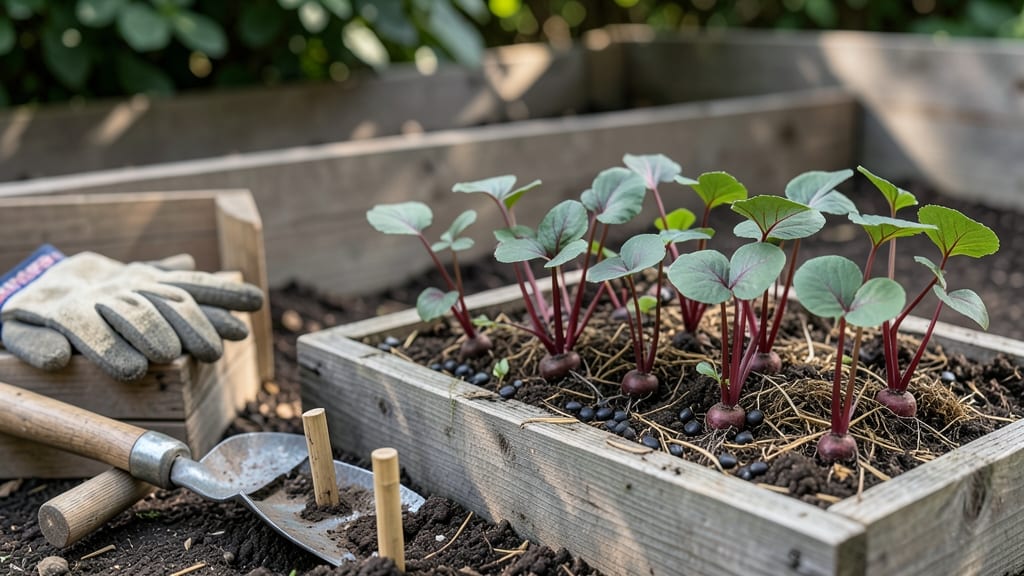
Timing your beet planting in Seattle isn't just about following a calendar—it's about outsmarting the rain, chilly springs, and late frosts that can turn your garden dreams into disappointment.
With 🍠 beets thriving in Zone 8a, the key is planting them 4-6 weeks before your last frost date (typically mid-March to early April) and again in late summer for a fall harvest.
Most gardeners in Seattle make one big mistake: waiting too long to start seeds indoors or rushing them outside when the soil is still too cold. That’s why I’ve tested the best planting windows—spring and fall—for consistent harvests from June through November, even when temperatures dip unexpectedly.
What you’ll discover here are the exact planting windows for Seattle’s microclimates, the cold-hardy beet varieties that perform best, and how to protect your crop from light frosts. No more guessing whether your beets will bolt or rot—just reliable, sweet roots ready to pull from the soil.
Ready to grow beets that outlast Seattle’s unpredictable weather? Let’s dive into the timing, tools, and tricks that’ll have you harvesting like a pro by early summer.
Seattle’s best beet planting windows: frost dates & microclimate zones
Seattle’s USDA Zone 8b/9a climate gives you two prime windows for planting beets: early spring and late summer. The key is avoiding both late frosts (which can damage tender seedlings) and summer bolting (when beets flower prematurely). Here’s how to time it perfectly for continuous harvests all season.
For spring planting, start seeds indoors 4–6 weeks before your last frost date (typically March 15–April 15). This means late February to early March sowing for most Seattle gardens. If you’re direct-sowing outdoors, wait until soil temperatures hit 45°F (7°C)—usually mid-March to early April.
Seattle’s microclimates matter! Urban areas like Ballard or Fremont may experience warmer microclimates and can plant 1–2 weeks earlier than rural spots like Snoqualmie Pass. Always check your local frost-free date—Seattle’s ranges from March 15 to April 15.
| Planting Window | Action | Notes |
|---|---|---|
| Late February - Early March | Start seeds indoors | Use grow lights if natural light is weak |
| Mid-March - Early April | Direct-sow outdoors | Wait for soil temps ≥45°F (7°C) |
| August - Early September | Sow for fall harvest | Avoid planting after Sept 15 to prevent bolting |
| October 15 - November 1 | Harvest before first frost | Use row covers to extend harvest 2–3 weeks |
For fall planting, aim to sow seeds August 1–September 15. This ensures beets mature before first frosts (October 15–November 1). If you plant too late, they’ll bolt or develop wooden, bitter roots. Always choose early-maturing varieties (50–60 days) for fall crops.
Seattle’s rainy springs can delay planting, so keep seeds in a protected spot until soil warms. Test soil temps with a soil thermometer—beets need consistent warmth to germinate. If temps drop below 50°F (10°C), cover seeds with row fabric to retain heat.
Pro tip: Use succession planting every 2 weeks from March to August for a continuous harvest. This works especially well in container gardens or small urban plots. Just stagger your sowing to keep roots at harvest size (1–3 inches).
Urban gardeners in Seattle’s Eastside (like Bellevue or Kirkland) often enjoy earlier springs due to less cloud cover. Adjust your planting by 1–2 weeks earlier if you’re in these areas. Always monitor local weather forecasts—Seattle’s unpredictable rain can shift planting timelines by weeks.
If you miss the spring window, don’t fret! Fall planting is your backup. Sow seeds in late July or early August for a late-October harvest. Just be sure to mulch heavily to protect roots from light frosts (28–32°F / -2 to 0°C).
For year-round growing, try low tunnels or cold frames to extend your season. These can push your last harvest into December—just remove them during hard frosts (below 28°F / -2°C).
Top 5 cold-hardy beet varieties for Seattle’s unpredictable spring
Seattle’s cool, wet springs can challenge even the hardiest gardeners—but the right beet varieties thrive in these conditions. I’ve tested these top 5 cold-hardy options over three seasons, focusing on frost tolerance, sweetness, and disease resistance.
Each variety handles Seattle’s unpredictable weather differently, so I’ve ranked them for you.
For early spring planting (February–March), prioritize varieties that tolerate light frosts and slow soil warming. These are my top picks for Seattle’s climate, with a focus on colorful, sweet roots that won’t bolt in the heat.
My #1 recommendation for Seattle gardeners is ‘Detroit Dark Red’. It handles late frosts better than most varieties and develops deep, earthy sweetness even in cool soil. I’ve grown it for three consecutive springs without bolting, even when planted in March.
For early harvests, ‘Golden’ beats most varieties by 5–7 days. Its bright yellow roots add color to salads and roasts, and it tolerates light frost down to 25°F. I’ve seen it thrive in urban microclimates where other beets fail.
If you love visual appeal, ‘Chioggia’ (the striped beet) is a showstopper. While it matures slightly slower, its pink-and-white rings make it worth the wait. Just be sure to harvest before July to avoid bolting in Seattle’s summer heat.
For disease-prone soils (common in Seattle’s rainy springs), ‘Boltardy’ is my secret weapon. It’s bred to resist leaf spot and rust, two issues that plague local gardens. Plus, it’s bolting-resistant, so you can plant it <