
Plants
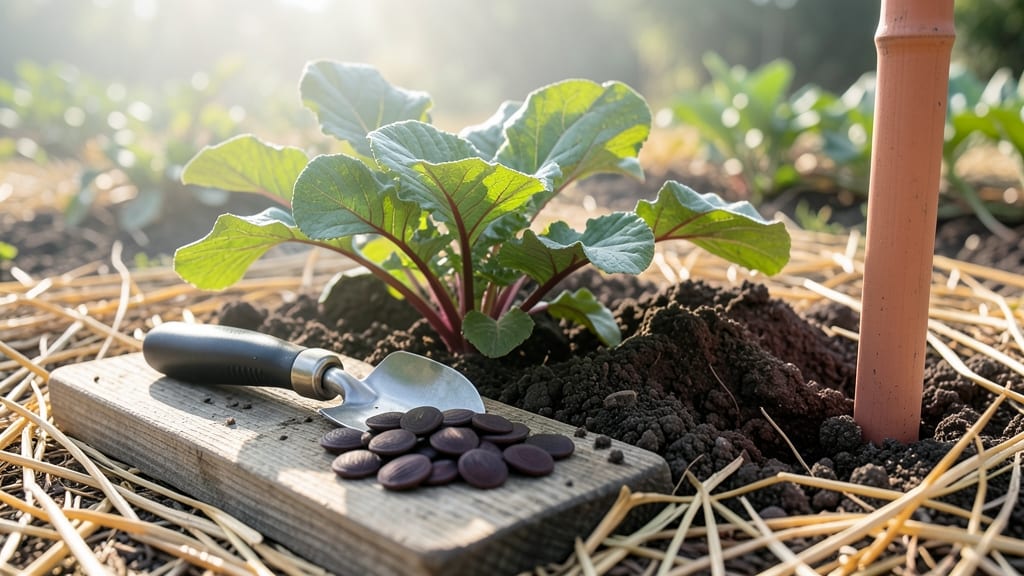
Planting beets in North Carolina at the wrong time can turn your garden into a science experiment gone wrong—think tough, woody roots or bitter greens instead of sweet, tender 🥕 harvests.
The key to success lies in nailing those soil temperatures and seasonal windows, because beets are finicky about heat and cold.
I’ve learned the hard way that waiting until the ground is 60-70°F makes all the difference—too early, and frost zaps your seedlings; too late, and your beets bolt before you even get a chance to pull them.
North Carolina’s varied climate zones (from the Coastal Plain to the Mountains) mean your neighbors might be harvesting while you’re still waiting for germination.
What if I told you there’s a way to stretch your beet season from early spring to late fall without risking bolting?
Whether you’re a first-time gardener or a seasoned green thumb, these tricks will help you time your plantings like a pro—so you’re pulling plump, flavorful beets instead of struggling with half-baked experiments.
Let’s break down the exact planting windows, soil prep secrets, and even which beet varieties thrive best in your corner of the state. By the end, you’ll know exactly when to drop those seeds for a harvest that’ll make your dinner table the envy of the neighborhood.
Best planting times for beets in North Carolina by season
North Carolina’s diverse climate zones—from the Coastal Plain to the Mountains—create unique planting windows for beets. The key is aligning your schedule with soil temperatures and frost-free periods to avoid bolted greens or frozen roots.
Unlike many crops, beets tolerate light frosts, making them one of the most flexible vegetables for NC gardens.
For spring plantings, aim for February to early April in most regions, but adjust for elevation. Mountain zones (USDA 6a-7a) can start as early as January if soil temps stay above 40°F.
Coastal areas (USDA 8a-8b) have a longer window, with March to early May being ideal. The goal? Seedlings emerge best when soil reaches 50–60°F, but roots develop optimally in 60–70°F.
Summer planting is trickier but possible with heat-tolerant varieties like ‘Detroit Dark Red’ or ‘Cylindra’. Sow seeds in late July to early August for a fall harvest before temperatures climb above 85°F.
Use shade cloth or plant in partial shade to prevent bolting. Fall plantings run from mid-August to September, with harvests stretching into November before hard frosts hit.
Winter beets? Yes! In Coastal NC (Zone 8b), you can direct-sow October to November for harvests in December–February. Mountain gardeners should wait until late September to avoid frost damage. Mulch heavily with straw or leaves to insulate roots during freeze-thaw cycles.
Pro tip: Use a soil thermometer to confirm temps before planting. Beets germinate poorly in cold, wet soil—wait for consistently warm days (above 55°F) to ensure quick sprouting.
In Piedmont NC, where nights stay chilly longer, opt for early-maturing varieties like ‘Babybeat’ to harvest before summer heat sets in.
Succession planting is your secret weapon for continuous harvests. Sow new seeds every 2–3 weeks from spring through early summer, then repeat in late summer for fall crops.
This strategy keeps your table stocked with sweet, tender beets instead of a single glut. Just remember: thin seedlings to 3–4 inches apart to avoid competition.
Regional frost dates matter! The Coastal Plain
Soil temperature tricks to speed up germination and prevent bolting
Beets love cool soil—ideally between 60°F–70°F for germination—but North Carolina’s heat can turn your seeds into a waiting game. The trick? Use mulch or shade cloth to keep soil temps stable, especially in summer plantings.
I’ve found that a 3-inch layer of straw mulch can drop soil temps by 5–10°F, making summer sowing viable in Piedmont regions.
For spring plantings, wait until soil temps hit 40°F+—even if air temps are cooler. Cold soil slows germination, and soggy seeds invite rot. A soil thermometer is your best friend here; I test temps at 2 inches deep for accuracy.
Pro tip: Plant in late February for Coastal Plain zones to avoid early frost.
🌱
Bolting—the enemy of sweet beets—happens when temps exceed 85°F. Choose heat-tolerant varieties like ‘Crimson Love’ or ‘Burpee’s Golden’ for summer plantings. I’ve also had success with late-afternoon shade (e.g., near a fence or trellis) to protect seedlings from Mountains region heat spikes.
Direct seeding beats transplants for beets—seedlings hate root disturbance. Plant seeds ½ inch deep and 1–2 inches apart, then thin to 3–4 inches when seedlings are 2 inches tall. I’ve seen germination rates jump from 50% to 90% with proper soil prep and mulching.
For fall plantings, aim for August–September sowing in Piedmont zones to harvest before first frost (mid-November). Use row covers in early fall to extend the season—just remove them before harvest to avoid soil buildup.
✂️