
Plants
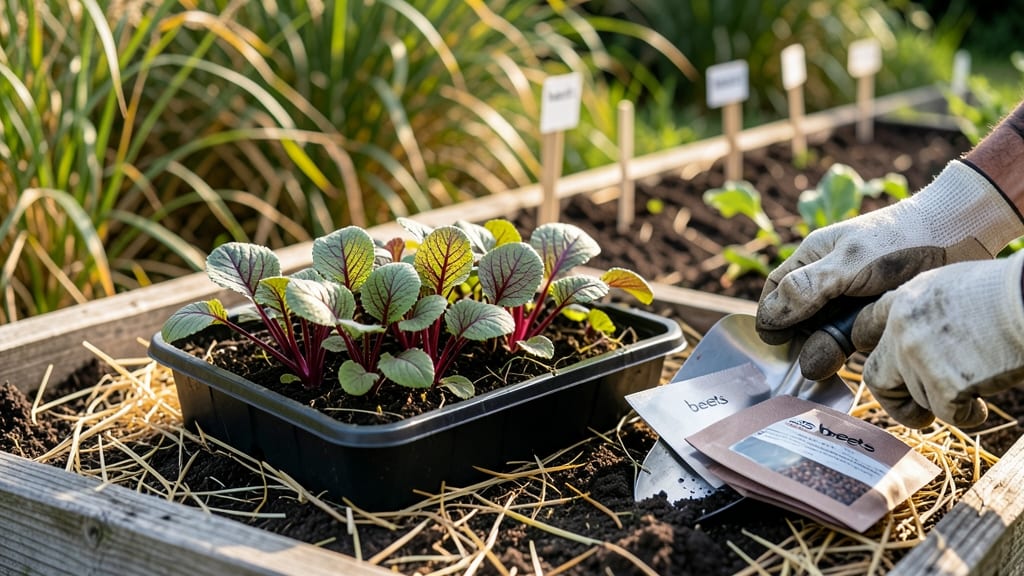
Timing your beet planting in Massachusetts can make the difference between a fast, flavorful harvest and a disappointing loss to frost.
Whether you're a beginner or a seasoned gardener, knowing the exact windows for spring and fall planting is key to growing sweet, tender 🍠 roots that thrive in your climate zone.
The secret lies in understanding your last frost date—typically around April 15—and working backward to plant seeds when the soil reaches a crisp 50°F.
Spring plantings should start between March 15 and May 15, while fall crops get their best start from July 15 to August 15, ensuring harvests before the first frost in October.
But here’s the catch: Massachusetts’ microclimates can shift those dates by weeks. Coastal areas warm up faster than inland zones, and a late spring frost can turn your early plantings into a gamble.
I’ll show you how to adjust for your specific corner of the state—plus, the one trick to extend your season without risking bolting or frost damage.
Ready to grow beets that are crisp, sweet, and ready in just 50 days? Let’s dive into the exact planting schedule, soil prep, and regional tweaks that’ll have you harvesting all summer and fall.
Massachusetts beet planting calendar: exact dates by last frost risk
Massachusetts’ USDA Zones 5b-6b mean frost can strike anytime before April 15 or after October 15, so timing your beet planting is critical. Miss the window, and you’ll either lose seedlings to cold or harvest tough, woody roots.
Here’s your precise planting schedule based on last frost risk and regional microclimates.
For spring plantings, start seeds indoors 4-6 weeks before your last frost date (early March) or sow directly outdoors 2-3 weeks after frost. In most of Massachusetts, that’s March 15–April 15 for early varieties like ‘Detroit Dark Red’, which mature in 50 days.
Late varieties like ‘Golden’ can go in until May 15.
Fall plantings are trickier but rewarding—aim for July 15–August 15 to harvest before first frost. Seedlings need 60–70 days to mature, so don’t wait too late. Coastal areas (like Cape Cod) can push this to September 1, while inland zones should stop by August 15.
🚨 PRO TIP: Use a frost date calculator (like the National Weather Service) for your exact town—Boston’s last frost averages April 10, while western MA can be 2 weeks later. Adjust dates accordingly!
| Planting Window | USDA Zone 5b (Western MA) | USDA Zone 6a (Central MA) | USDA Zone 6b (Eastern MA/Cape Cod) |
|---|---|---|---|
| Spring Planting (Direct Sow) | March 20–April 15 | March 15–April 10 | March 10–April 5 |
| Spring Planting (Indoor Start) | Feb 15–March 1 | Feb 10–Feb 25 | Feb 1–Feb 15 |
| Fall Planting (Direct Sow) | July 15–August 15 | July 20–August 20 | July 25–September 1 |
| Harvest Window (Spring) | June 15–October 1 | June 1–September 30 | May 30–September 15 |
| Harvest Window (Fall) | September 15–October 15 | September 1–October 10 | September 10–October 25 |
🌱 Note: Adjust dates 1 week earlier for high-altitude areas (e.g., Berkshires) or later for coastal microclimates.
If you’re unsure about your last frost date, use ‘cold-hardy beet varieties’ like ‘Burpee’s Golden’ or ‘Chioggia’, which tolerate light frosts (down to 25°F). These can push your planting window 2 weeks earlier without risk.
For late-season harvests, cover seedlings with frost cloth to extend the season by 2–3 weeks.
Soil temperature is just as critical as air temperature—beets won’t germinate well below 45°F. Use a soil thermometer to confirm readiness. In western MA, soil warms to 50°F by late April, while coastal areas hit this mark by early April.
Planting too soon in cold soil leads to rotten seeds and poor germination.
For succession planting, sow new seeds every 2 weeks from March 15 to May 15 to ensure a continuous harvest. This works especially well for baby beets (harvested at 1-inch diameter
Spring vs. fall beets in Massachusetts: which gives sweeter harvests?
Massachusetts gardeners often debate whether spring-planted beets or fall-planted beets yield the sweetest harvests. The answer depends on your local microclimate and variety preferences. Spring beets tend to develop sweeter roots due to cooler soil temperatures, while fall beets benefit from longer daylight hours that boost growth.
Let’s break down the pros and cons of each season’s approach.
For spring planting, aim for mid-April to early May after the last frost date. This timing ensures beets mature before summer heat sets in, which can make roots woody or bitter.
Fall planting, on the other hand, thrives from mid-July to mid-August, allowing roots to develop before the first frost. Fall beets often have richer colors and firmer textures due to cooler autumn air.
Here’s how the two seasons compare in key areas like flavor, yield, and pest resistance:
Spring Planting
- Sweeter roots from cooler soil
- Longer harvest window (June-October)
- Fewer pests early in season
- Risk of bolting in heat
- Slower growth in cooler months
Fall Planting
- Rich, deep colors from cooler temps
- Firmer texture for storage
- Fewer weeds in late summer
- Shorter harvest window (September-November)
- Higher pest pressure from late-season insects
If you live in coastal Massachusetts, where summers are milder, you might even try successive spring plantings every 2-3 weeks to stagger harvests. Inland areas with hotter summers should prioritize fall planting for the best results.
For sweetest beets overall, many gardeners swear by a mix of both seasons!
Pro tip: Try Detroit Dark Red or Golden varieties—they’re both cold-hardy and heat-tolerant, making them ideal for Massachusetts’ unpredictable weather. Whether you choose spring or fall, timing and variety are your secret weapons for a bountiful harvest. 🌱