
Plants
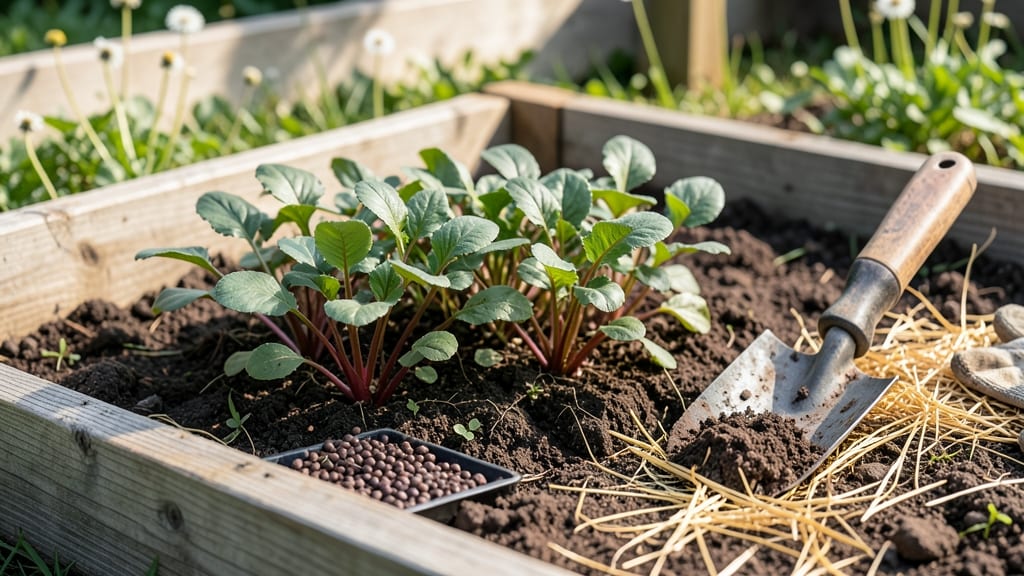
Planting beets in Central Florida’s sweltering summers can turn your garden dreams into a bitter disappointment—unless you time it perfectly for sweet, tender roots. The key is avoiding the brutal June-August heat, which causes bolting and tough, woody beets.
Instead, focus on the cooler months when 🥕 thrive: September-October for fall harvests and February-March for spring.
Central Florida’s Zone 9a climate means you won’t deal with frost, but heat stress is still your biggest enemy. Beets need consistent moisture and cooler temps to develop properly, so planting in these windows gives them the best shot at success.
Whether you’re a seasoned gardener or just starting, these timing tips will help you grow beets that are crisp, flavorful, and ready to harvest in just 50-70 days.
Don’t worry if you miss the ideal windows—succession planting can still work. By spacing out your plantings every 2-3 weeks in late summer or early fall, you can extend your harvest season.
This method ensures a steady supply of fresh beets without risking the heat. Let’s dive into the exact steps to make your beet-growing season a success.
Ready to grow beets that rival the ones at the farmers' market? The secret starts with the right timing, and I’ll show you exactly how to do it—no guesswork required. Let’s get those seeds in the ground the smart way!
Best planting windows for beets in Central Florida’s climate zones
Central Florida’s USDA Zone 9a climate means no frost to worry about—but that doesn’t mean you can plant beets anytime. The key is avoiding summer’s brutal heat, which causes bolting and bitter roots. Instead, focus on fall and spring planting when temperatures stay mild and consistent.
Beets thrive when daytime highs stay below 85°F (29°C). In Central Florida, this means planting in September-October for fall harvests or February-March for spring harvests. Coastal areas like Cocoa Beach have slightly cooler microclimates, while inland zones like Orlando may need earlier fall plantings.
Here’s a quick reference for your planting schedule, including heat tolerance thresholds and optimal soil temperatures:
| Season | Planting Window | Ideal Soil Temp (°F) | Daytime Temp (°F) | Harvest Window |
|---|---|---|---|---|
| Fall | Late August - October | 60-75°F | 75-85°F | November - December |
| Spring | February - March | 60-70°F | 70-80°F | April - May |
| Summer (Risky) | June - July | Above 80°F | 90°F+ | Bitter, woody roots |
For coastal areas, you can push fall plantings slightly later (into early November) because ocean breezes moderate temperatures. Inland areas like Lakeland or Ocala should plant by mid-October to avoid heat stress.
If you’re eager for an early fall harvest, try a succession planting strategy: sow seeds every 2-3 weeks from late August through September. This spreads out your harvest and reduces the risk of bolting from sudden heat spikes.
Pro tip: Use a soil thermometer to confirm soil temps are between 60-75°F before planting. Beets won’t germinate well in cooler soil, even if air temps are perfect.
Remember, beets are cool-season crops, so they’ll bolt (go to seed) if exposed to prolonged heat. The goal is to harvest before they reach mature seed stage, which makes them tough and less sweet.
For heat-tolerant varieties, consider ‘Detroit Dark Red’ or ‘Chioggia’, which handle slightly warmer conditions better than standard types. But even these won’t thrive in Central Florida’s peak summer heat.
🌱
How to extend beet growing season in Central Florida’s heat
Central Florida’s merciless summer heat (often exceeding 90°F+) can turn your beet plants into bitter, tough messes. But with the right strategies, you can extend the growing season and enjoy crisp, sweet roots well beyond the ideal fall window.
The key? Beat the heat with shade, soil prep, and smart planting timing.
Beets thrive when soil temperatures stay below 85°F. When daytime temps climb higher, they bolt prematurely or develop woody, bitter roots. My secret? Succession planting in early fall and late winter, paired with heat-mitigation tactics like shade cloth and mulch.
Let’s break down how to keep your beets happy when the thermometer spikes.
Pro tip: If your beets start bolting (sending up flower stalks), harvest the roots immediately—they’ll still be edible, just less tender. For extra protection, try container gardening with pots moved to shaded areas during heatwaves.
With these tactics, you can grow beets year-round in Central Florida—even through the dog days of summer. Just remember: shade + moisture = happy beets. Now go enjoy those ruby-red roots!