
Plants
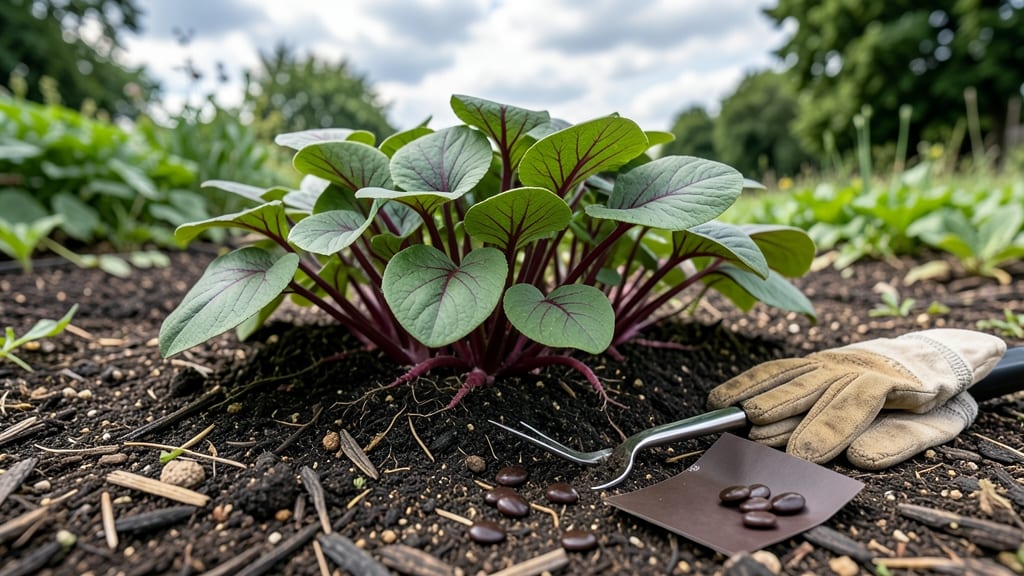
Planting beets in Arkansas at the wrong time means either waiting for frost to pass or watching them bolt in summer heat—neither gives you those sweet, tender roots you crave.
If you've ever pulled a woody beet from your garden and wondered, "What went wrong?", the answer is simple: timing. Arkansas's 7a-8a climate gives you two clear windows to avoid these pitfalls, and I'll show you exactly when to plant for perfect harvests every season.
We'll start with the ideal frost-free timeline for your zone, then dive into how to stretch your harvest with succession planting—because nobody wants to miss out on homegrown 🍠 goodness for long.
Whether you're a first-timer or a seasoned gardener, these Arkansas-specific tips will help you beat humidity, pests, and heat to grow beets that are crisp, flavorful, and ready just when you need them.
Arkansas beet planting calendar: frost dates and ideal windows
Arkansas gardeners face unique challenges with its humid summers and variable frost dates. Beets thrive in cool weather, so timing your planting around frost-free windows is critical.
Most of Arkansas falls within USDA Zones 6b-8a, meaning your last frost typically arrives between mid-March and early April, while the first frost hits around mid-November.
For optimal beet growth, focus on three key planting windows: early spring, late summer, and fall. Each window offers distinct advantages, from avoiding summer bolting to maximizing fall harvests.
Let’s break down the best times to plant beets in Arkansas based on your specific microclimate and soil conditions.
In northern Arkansas (Zones 6b-7a), aim to plant beets as soon as the soil reaches 50°F (10°C), typically in late February to early March. Southern Arkansas (Zones 7b-8a) can start slightly earlier, around mid-February, thanks to milder winters.
Always check your local Arkansas Cooperative Extension Service for precise frost dates, as they can vary by 5–10 days depending on elevation and microclimates.
For spring plantings, sow seeds directly into the garden after the last frost. Beets grow best in cool soil, so avoid planting when daytime temperatures exceed 75°F (24°C).
If you’re in a hotter microclimate, like the Arkansas River Valley, opt for shade cloth or succession planting to prevent bolting.
If you’re growing beets for summer harvests, focus on late July to early August plantings. This timing allows beets to mature before Arkansas’s humid heat causes them to become woody. Use drip irrigation to keep soil moisture consistent and avoid stressing the plants during peak summer temperatures.
For a fall harvest, plant beets in late summer (August) so they mature before the first frost. In southern Arkansas, you can extend this window into early October. Choose heat-tolerant varieties like 'Cylindra' or 'Golden' for better success in Arkansas’s long, hot summers.
Don’t overlook winter plantings! Beets are surprisingly cold-hardy and can tolerate light frosts. In northern Arkansas, you can sow seeds as late as early November, while southern regions may extend this to mid-November. Use row covers or mulch to protect young plants from freezing temperatures.
Pro tip: Arkansas’s high humidity can lead to fungal diseases like leaf spot. Space your beets properly (3–4 inches apart) and avoid overhead watering to keep foliage dry. Always harvest beets before they bolt, as this makes them woody and less tender.
By following this Arkansas-specific planting calendar, you’ll enjoy a continuous harvest of sweet, crisp beets from spring through fall. Happy gardening!
How to extend beet harvests: succession planting for Arkansas climates
Arkansas summers can turn beets woody and bitter if planted all at once. The secret to a steady harvest is succession planting—staggering your plantings every 2-3 weeks to keep fresh beets coming all season long.
This method works especially well for Arkansas's hot, humid summers where beets bolt quickly when stressed by heat.
Start your first planting 4-6 weeks before your last frost date (typically mid-March). Then, repeat plantings every 2-3 weeks until mid-July. This ensures you’ll have beets ready to harvest through September, just before fall frosts arrive.
For a second fall crop, plant again in late July to enjoy harvests into November before the first frost hits.
Here’s how to make it work in Arkansas’s climate: Use shade cloth during peak summer heat (100°F+ temperatures) to protect young seedlings. A 30-50% shade cloth reduces soil temps and prevents bolting. Pair this with daily watering during heatwaves to keep soil consistently moist but not soggy.
Step-by-Step Succession Planting for Arkansas
- 📅 Week 1-2: Sow first batch 4-6 weeks before last frost (mid-March). Plant seeds ½ inch deep, 1-2 inches apart.
- 🌱 Week 3-4: Thin seedlings to 3-4 inches apart when they reach 2 inches tall. Mulch with straw or grass clippings to retain moisture.
- ⏳ Every 2-3 weeks: Sow new batches until mid-July. Label rows to track planting dates.
- ☀️ Summer care: Use shade cloth during 100°F+ heat. Water deeply in the morning to prevent fungal issues.
- 🍠 Harvest strategy: Pull beets as they reach 1-3 inches in diameter to encourage continuous production.
For late-season plantings, choose heat-tolerant varieties like ‘Detroit Dark Red’ or ‘Golden Beet’. These varieties handle Arkansas’s humidity and heat better than standard types. Plant your final batch in late July for a fall harvest before temperatures drop.
Just be sure to harvest before hard frosts (around mid-November in most of Arkansas).
Pro tip: Interplant beets with radishes—radishes mature in 3-4 weeks, giving you an early harvest while beets develop. This space-saving trick maximizes your garden’s productivity in Arkansas’s short growing season. Just avoid planting beets near pole beans or sunflowers, as they compete for nutrients.
By mastering succession planting, you’ll enjoy fresh, tender beets from May through November—no woody textures or wasted effort. The key is consistency: stick to your 2-3 week schedule, protect seedlings from heat, and harvest regularly to keep plants producing. Happy planting! 🌱