
Plants
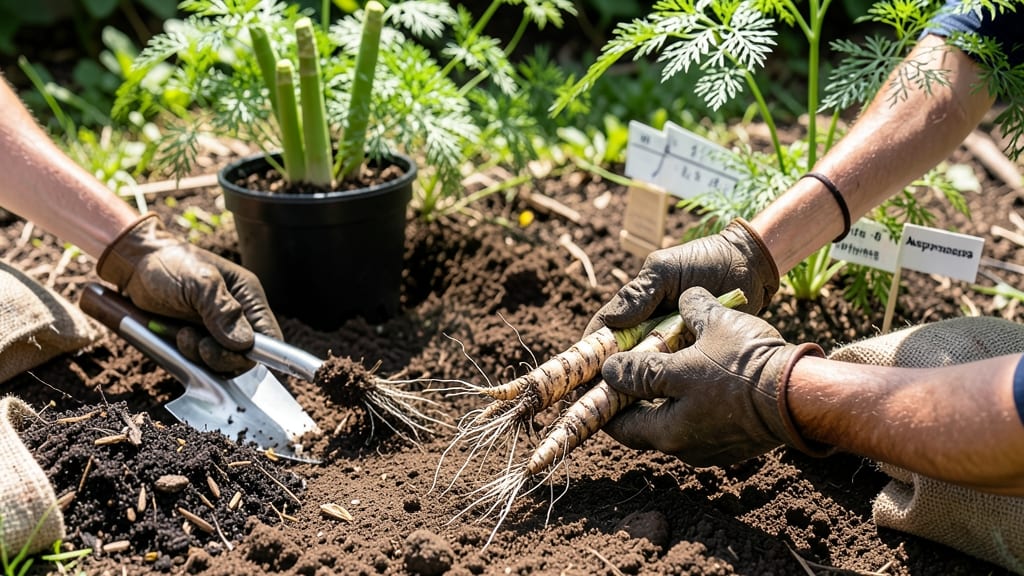
Timing your asparagus 🌱 planting in Nebraska isn't just about the calendar—it's about beating the last frost while avoiding soggy soil that rots your crowns. Plant too early in Zone 5B/6A, and you risk losing your entire crop before spears even emerge.
But get the window right, and you'll be harvesting tender shoots by year three with minimal fuss.
Most Nebraska gardeners wait until mid-April when soil temperatures consistently stay above 50°F, but rural areas with later frosts may need to push planting into early May. The key? Check soil readiness with a thermometer—cold soil delays root growth, and asparagus crowns won't thrive until they can establish properly.
Here’s what you’ll learn: the exact frost-free timeline for Lincoln, Omaha, and surrounding areas, plus how to adjust for Nebraska’s unpredictable weather. We’ll also cover the 6-inch-deep planting rule, soil prep for heavy clay, and when to fertilize for maximum yield.
Whether you're a first-time grower or a veteran gardener, these steps will help you avoid common mistakes and set your asparagus up for years of success. Let’s get those crowns in the ground at the perfect moment.
Nebraska asparagus planting timeline by zone 5B/6A: exact dates and soil conditions
Nebraska’s Zone 5B/6A climate means your asparagus planting window hinges on soil temperatures—not just air temperatures. The ideal time to plant is when soil reaches 50°F (10°C) at a 4-inch depth, typically 4-6 weeks before your last frost date.
In most of Nebraska, this falls between late March and mid-April, but rural areas may need adjustments.
For Lincoln and Omaha, aim for March 15–April 1, while western Nebraska’s colder microclimates (e.g., Scottsbluff) may push planting to mid-April. Always verify with a soil thermometer—planting too early in cold soil risks rotten crowns, while waiting too long delays harvest.
Here’s your Nebraska asparagus planting timeline broken down by key stages, including soil conditions and regional variations:
| Stage | Action | Soil Temp | Nebraska Timeline |
|---|---|---|---|
| Prep Soil | Test pH (6.5–7.5), add compost | — | Late February–March |
| Plant Crowns | 6–8" deep, 12–18" apart | 50°F (10°C) | March 15–April 15 |
| Last Frost Risk | Use row covers if frost predicted | 40°F (4°C) | Mid-April |
| First Spears | Harvest in Year 2–3 | 60°F (15°C) | Late April–May |
Pro tip: If your soil stays below 50°F past April 15, consider staggered planting or using a cold frame to extend your window. Nebraska’s heavy clay soils in eastern areas (e.g., Omaha) benefit from raised beds to improve drainage.
For rural Nebraska, where last frosts can hit May 1, prioritize cold-hardy varieties like ‘Jersey Knight’ or ‘Purple Passion’. These tolerate 20°F (-7°C) better than standard types, giving you a 2-week buffer for late planting.
Always monitor local frost forecasts via the Nebraska State Climate Office. Their 30-day outlooks help adjust your planting date if an unusual cold snap is predicted. A 5-day delay can mean the difference between healthy roots and wasted crowns.
Once planted, mulch with 3–4 inches of straw to retain soil warmth and suppress weeds. This keeps roots consistently above 50°F until they establish, ensuring your asparagus crowns thrive despite Nebraska’s variable springs.
Remember: Asparagus is a perennial, so getting the timing right in Year 1 sets up 15+ years of harvests. Don’t rush—wait for that frost-free soil confirmation! 🌱
How to adjust asparagus planting for Nebraska’s unpredictable weather patterns
Nebraska’s spring is famous for its whiplash weather—one day 50°F, the next a hard freeze. To protect your asparagus crowns, I’ve planted mine 4 weeks before the average last frost (mid-April) and used row covers for extra insurance.
This method has saved my plants from late-season frosts that can delay harvests by weeks.
If you’re in Zone 5B (like Lincoln), aim for early March planting. For Zone 6A (Omaha), push to late March. But here’s the catch: even with perfect timing, unpredictable cold snaps can strike.
That’s why I always keep frost cloth ready—it’s my secret weapon for extending the planting window by 2-3 weeks.
Asparagus crowns planted too early can rot in cold, wet soil. If your soil temp drops below 50°F, delay planting until the ground warms. Use a soil thermometer—it’s the only way to know for sure.
Pro Tip: Plant ‘Jersey Knight’ or ‘Mary Washington’ varieties—they tolerate colder soils better than most.
For staggered planting, divide your crowns into three groups and plant each 10 days apart. This spreads out your harvest window and reduces risk. I’ve done this for years, and it’s given me spears from May through July—even in Nebraska’s fickle climate.
If drought hits (like in 2022’s record heatstraw or wood chips to retain moisture. Asparagus is drought-tolerant once established, but young plants need consistent watering. I water mine deeply twice a week until they’re 2 years old.
Don’t forget early heatwaves—another Nebraska specialty. If temps soar above 85°F before harvest, shade your plants with lightweight fabric during the hottest hours. This prevents spear toughening and keeps your crop tender.
Finally, mark your planting dates on a calendar and track local frost alerts from the National Weather Service. In my experience, preparation beats luck every time. With these adjustments, you’ll beat Nebraska’s weather—and enjoy homegrown asparagus for years to come. 🌱