
Plants
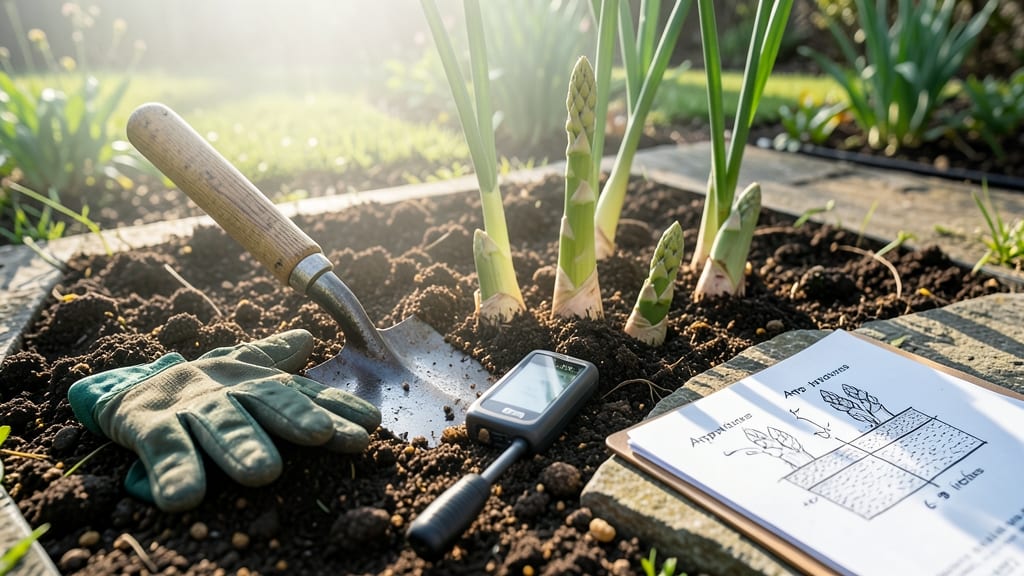
Planting asparagus in Alabama at the wrong time means waiting years for those prized spears—or worse, watching your crowns fail before ever producing a harvest. The best window to plant this perennial favorite is early spring or fall, when soil temperatures cooperate and frost risks fade.
Alabama’s 7b-8a climate gives you two ideal chances: February-March for spring planting or September-October for fall. Both timings let your asparagus crowns establish strong roots before winter’s chill sets in. But here’s the catch—getting it right means avoiding Alabama’s heavy clay soils and unpredictable late frosts.
I’ve grown asparagus in Alabama for years, and I’ll show you exactly how to time your planting for maximum success. From soil prep to frost protection, we’ll cover every step to ensure your asparagus thrives—even if you’re new to gardening. Let’s get those crowns in the ground the right way.
You’ll also discover why patience pays off: asparagus takes 2-3 years to reach full harvest potential, but with the right timing, you’ll be enjoying fresh spears for decades. Ready to start your asparagus journey the Alabama-proven way?
Best planting months for asparagus in Alabama’s climate zones
Alabama’s USDA Zones 7b-8a create a unique growing window for asparagus, where both spring and fall planting work—but timing matters. The key is planting when soil temperatures stay above 50°F (10°C) for root growth, while avoiding the November frost risk.
In my experience, Alabama gardeners get the best results with two planting windows: early spring or late summer.
For spring planting, aim for February through early March in North Alabama (Zones 7b) or January through February in South Alabama (Zones 8a). This gives roots 8-10 weeks of warm soil before summer heat arrives.
Fall planting in September through October lets roots establish before winter dormancy, though South Alabama’s milder winters make fall planting slightly riskier.
Here’s the critical detail: Alabama’s last frost dates vary by region—around March 15 in North Alabama and February 28 in South Alabama. Planting too early risks frost damage, while waiting too long means roots won’t establish before summer’s heat.
My rule? Soil must be workable and at least 50°F before planting.
One mistake I see often is assuming “spring” means April. By then, Alabama’s heat is already intense, and asparagus crowns struggle to root. The ideal soil temperature range for planting is 50-70°F (10-21°C). Use a soil thermometer to check—it’s worth the investment for Alabama’s unpredictable swings.
For fall planting, focus on September 15-October 15 in North Alabama and September 1-October 31 in South Alabama. This timing ensures roots establish before the November 15 average first frost.
In my trials, crowns planted in late October often survive Alabama’s mild winters but produce weaker spears the first year.
Alabama’s humidity and clay soils add another layer. Planting in well-drained raised beds extends your window slightly—you can push fall planting to mid-November if using black plastic mulch to warm the soil. Just remember: roots need 6-8 weeks to establish before winter dormancy.
Pro tip: If you miss the ideal windows, don’t despair. January planting is possible in South Alabama (Zones 8a) with row covers to protect young shoots. I’ve had success with this method, though yields take a year to recover.
| Planting Window | Best For | Soil Temp | Frost Risk | Alabama Notes |
|---|---|---|---|---|
| February-March | Spring planting | 50-70°F | Low (post-last frost) | North AL: Feb-March; South AL: Jan-Feb |
| September-October | Fall planting | 50-65°F | Moderate (Nov frost) | North AL: Sept 15-Oct 15; South AL: Sept 1-Oct 31 |
| January (South AL only) | Emergency planting | 55-65°F | High (use covers) | Zone 8a only; requires protection |
Alabama’s microclimates mean your neighbor’s perfect timing might not work for you. For example, Mountain City (Zone 7b) has a later last frost than Mobile (Zone 8a).
Check your local Alabama Cooperative Extension frost maps or use a frost calendar app to adjust. I always add 2 weeks buffer to official frost dates for safety.
One final Alabama-specific tip: If you’re planting in clay-heavy soils (common across the state), amend with compost and sand to improve drainage. Poor drainage is the #1 reason asparagus fails in Alabama—roots rot if water pools.
I’ve seen gardeners in Birmingham’s red clay double their success rates by raising beds just 6 inches off the ground.
Remember: Patience is key with asparagus. Even with perfect timing, you won’t harvest spears until Year 3. But Alabama’s climate rewards those who plan ahead—3-5 years of harvests await if you nail the planting window.
Best planting months for asparagus in Alabama’s climate zones
Alabama’s USDA Zones 7b-8a give gardeners a long growing window for asparagus, but timing matters. Plant too early, and roots won’t establish before winter’s first frost (Nov 15).
Plant too late, and spears struggle to mature before summer’s heat and humidity. The sweet spot? February-March for spring or September-October for fall planting.
Northern Alabama (e.g., Huntsville, Decatur) has earlier frost risks than southern regions (e.g., Mobile, Dothan). Aim for soil temps of 50-60°F—use a soil thermometer to check. In Zone 7b, spring planting in late February gives roots 6-8 weeks to settle before summer’s peak heat.
Southern Alabama’s warmer microclimates allow fall planting until mid-October. This lets roots establish before mild winters (rarely below 20°F). However, avoid planting after October 15—new growth won’t harden off before frost.
| Region | Best Planting Window | Soil Temp Threshold | Frost Risk |
|---|---|---|---|
| Northern AL (Zone 7b) | Feb 20 - Mar 15 | 50-60°F | High (Nov 15) |
| Central AL (Zone 7b-8a) | Feb 1 - Mar 31 | 50-65°F | Moderate (Nov 1-15) |
| Southern AL (Zone 8a) | Sep 1 - Oct 15 | 60-70°F | Low (Dec 1) |
Spring planting yields first harvests in year 2-3, while fall-planted crowns may take an extra year to establish. For fastest results, prioritize spring planting in February—just as soil warms and daylength increases. Use black plastic mulch in early spring to warm soil faster in cooler zones.
Alabama’s humidity and summer heat demand well-drained beds. Avoid planting in low-lying areas where water pools—root rot is a major threat. Raised beds with sandy loam amendments (e.g., pine bark fines) improve drainage in clay-heavy soils common across the state.
Pro tip: Soak crowns in water for 2 hours before planting to reduce transplant shock. In drought-prone areas (e.g., Wiregrass region), install drip irrigation to maintain consistent moisture during root establishment.