
Trees
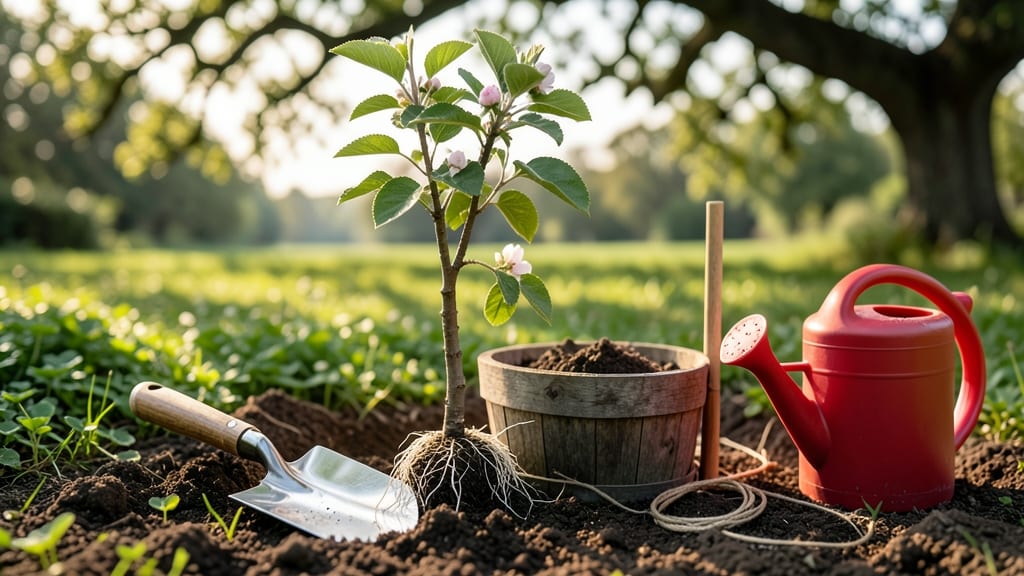
Planting your 🍎 Apple Tree at the wrong time in Arkansas can mean the difference between a thriving orchard and years of frustration.
The best window isn't just about months—it's about avoiding early heat stress in spring or late frost damage in fall, both of which can stunt root growth before your tree even gets established.
Most Arkansas gardeners swear by late winter to early spring (February-March) as the sweet spot for planting, when soil temperatures are cool but not frozen, and the tree can focus on root development before summer heat arrives.
But there's a trick to making this work in USDA Zones 7a-8b: timing it 2-3 weeks before your last frost date—usually around mid-March—gives roots enough time to anchor before the growing season kicks in.
Why does this matter so much? Because an apple tree planted too early will bolt into leafy growth, leaving its roots vulnerable to drought. Plant too late, and frost can damage tender new shoots.
The key is understanding how Arkansas' microclimates vary—northern regions (like Zone 7a) need to plant slightly later than southern areas (Zone 8b) where frost arrives sooner.
I'll walk you through exactly how to read your local frost dates, prepare your soil for maximum root growth, and choose varieties that handle Arkansas' heat and humidity like a champ. Let's get your 🍎 Apple Tree off to the strongest possible start.
Best months to plant apple trees in Arkansas: ideal temperature and soil conditions
Arkansas’ USDA Zones 6b-8b create a unique challenge for apple tree planting—too early, and summer heat stresses young roots; too late, and winter frost damages tender shoots. The optimal window balances these risks, giving your tree the best chance to establish before Arkansas’ first frost (typically mid-November).
Most Arkansas gardeners agree: late fall (October-November) or early spring (February-March) are the sweet spots. Fall planting lets roots grow in cool soil before dormancy, while spring planting avoids winter stress. Both methods work, but your microclimate matters—northern Arkansas (Zone 6b) has earlier frosts than southern Arkansas (Zone 8b).
| Season | Best Months | Soil Temp | Key Benefit |
|---|---|---|---|
| Fall | October-November | 50-60°F | Roots establish before dormancy |
| Spring | February-March | 45-55°F | Avoids winter stress; faster growth |
| ⚠️ Avoid Planting: | |||
| Summer | June-August | >80°F | Heat stress kills young roots |
For fall planting, aim to get your apple tree in the ground 4-6 weeks before the first frost. This gives roots time to establish without competing with summer heat.
In northern Arkansas (Zone 6b), this means planting by October 15, while southern Arkansas (Zone 8b) gardeners can extend until November 1. Always check your local USDA frost map for precision.
Spring planting offers faster initial growth because warm soil accelerates root development. Plant 2-3 weeks before your last frost date—typically mid-February to early March in Arkansas. This timing ensures roots aren’t shocked by sudden cold snaps. Pro tip: Mulch heavily after planting to insulate roots from temperature swings.
Arkansas’ clay-heavy soils can be a challenge, but apple trees prefer well-draining, slightly acidic soil (pH 6.0-7.0). Before planting, amend your soil with compost or organic matter to improve drainage.
A simple soil test (available at University of Arkansas Cooperative Extension) will tell you if your soil needs lime (to raise pH) or sulfur (to lower pH).
Choose a sunny location with 6+ hours of direct sunlight daily—apple trees are full-sun lovers and won’t fruit well in shade. In Arkansas’ humid climate, spacing is critical: plant standard trees 20-25 feet apart to allow airflow and reduce disease risk.
Dwarf varieties (like ‘Arkansas Black’) can be spaced 8-12 feet apart.
One common mistake Arkansas gardeners make is planting too deep. The root flare (where roots meet the trunk) should sit 2-3 inches above soil level. Burying it deeper suffocates the tree.
After planting, water deeply (15-20 gallons) to settle the soil and encourage root growth. A 5-gallon bucket of water around the base helps establish roots faster.
If you’re planting bare-root trees (common in fall), soak the roots in water for 1-2 hours before planting to revive them. For container-grown trees, remove the pot and loosen the root ball gently to prevent circling roots.
Arkansas’ humid summers mean you’ll need to monitor for fire blight and apple scab, so choose disease-resistant varieties like ‘Golden Delicious’ or ‘Jonagold’.
Remember: Patience is key. Apple trees take 3-5 years to bear fruit, but proper planting timing in Arkansas ensures your tree grows strong enough to produce high-quality apples for decades. Start with the right month, and your orchard will thank you at harvest time. 🍎
How Arkansas frost dates affect apple tree planting success
Understanding Arkansas’ frost dates is the key to planting apple trees at the perfect time. In USDA Zones 6b-7a, average last frost dates range from mid-March in northern Arkansas to early March in southern regions.
Planting too early risks frost damage to young roots, while waiting too late limits root establishment before winter dormancy.
First frost typically arrives between mid-November and early December, with northern areas freezing earlier. This window creates a 4-5 month frost-free period—ideal for root growth. My rule? Plant 4 weeks before the last frost to give roots time to anchor before spring warmth triggers top growth.
For example, in Fayetteville (Zone 7a), last frost averages March 15. Planting in late February ensures roots establish before heat stress hits. In Little Rock (Zone 7b), aim for early March to align with the March 1-15 safe window.
Use the National Weather Service’s frost probability maps to refine your timing. Arkansas State University Extension also offers localized frost calendars—check their Arkansas Planting Guide for your county’s specifics. A 2-week buffer accounts for unpredictable weather swings.
Here’s how frost dates impact your apple tree’s first year: Planting in late fall (October-November) lets roots grow in cool soil before dormancy, while spring planting (February-March) aligns with natural growth cycles. Both methods work, but spring planting gives you a head start on fruit production in years 3-5.
Pro tip: If you plant in late winter (January-February), use mulch (3-4 inches) to insulate roots. In Zone 6b, this extra protection can extend the safe window by 10-14 days.
🌡️ Remember: Frost dates shift yearly—always verify with local weather data before digging. A well-timed planting gives your apple tree the best shot at a healthy first season and bountiful harvests for decades.
For northern Arkansas (Zones 6b-7a), prioritize March planting to avoid late frosts. In southern Arkansas (Zone 7b-8a), February-March works well, but monitor local forecasts. A delayed planting in April is better than risking frost damage in Zone 6b.
🌱 Key takeaway: Use frost dates as your planting deadline, not a starting point. Arkansas’ climate rewards patience—your apple tree’s long-term health depends on giving it the perfect root-establishment window before the first frost.