
Companion Plants
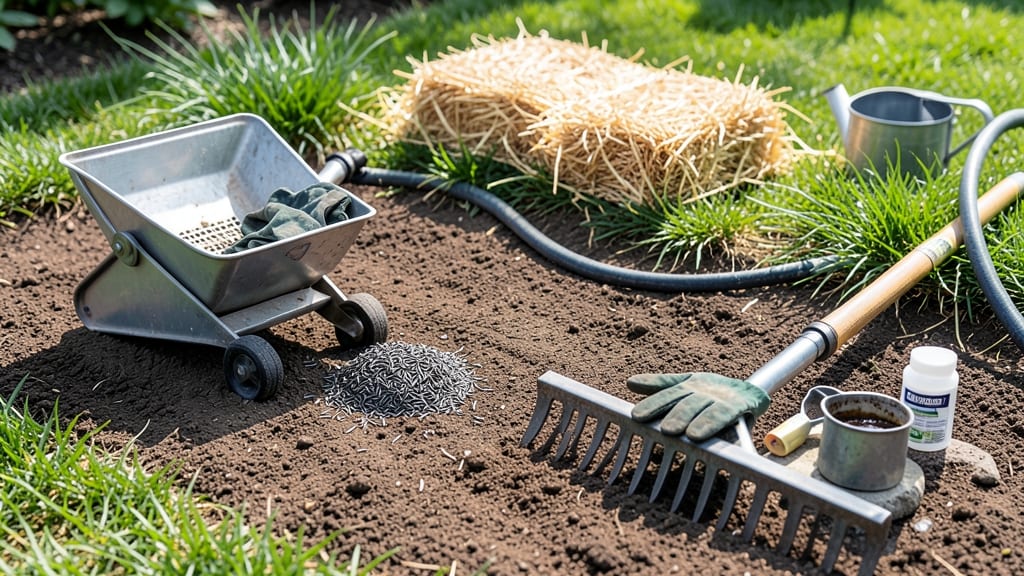
Planting grass seed in Minnesota feels like timing a race against the weather—get it wrong, and you’re stuck with patchy, slow-growing lawns.
The best results come from planting in late spring or early fall, when soil temperatures and moisture align just right for 🌱 grass seed to take root before summer heat or winter frost sets in.
With Minnesota’s short growing season and unpredictable frost dates, knowing the ideal window is the key to a thick, green lawn. Late spring (after the last frost, around May) and early fall (before the first frost, around September) are your best bets.
But soil prep and seed choice matter just as much—especially in zones 3-5, where cold snaps can derail even the best-laid plans.
I’ve tested different approaches over the years, and the difference between a lush lawn and a struggle is often just a few weeks of timing. Let’s break down the exact steps to plant at the perfect moment, from soil temperature checks to the best seed varieties for Minnesota’s climate.
Whether you’re seeding a new yard or repairing bare spots, these insights will help you avoid common mistakes and get the most out of your effort. Ready to transform your lawn? Let’s dive into what works—and what doesn’t—in the North Star State.
Best planting windows for Minnesota grass seed: late spring vs. early fall
Minnesota’s short growing season and variable climate make timing critical for grass seed success. The two best windows are late spring (May-June) and early fall (September), but each has distinct advantages. Northern Minnesota’s USDA Zone 3-4 requires earlier planting, while southern areas (Zone 5) have slightly more flexibility.
For late spring planting, aim for when soil temperatures reach 50-55°F—typically after the last frost date (mid-May). This gives seeds time to germinate before summer’s heat and drought stress. However, late May-June is ideal to avoid early summer’s intense sun and pests.
Early fall planting (late August-September) is often preferred because cooler temps and consistent rainfall reduce weed competition. Seeds establish roots before winter, giving you a head start next spring. The key is planting 4-6 weeks before frost—usually by mid-September in most of Minnesota.
Regional adjustments matter: Northern MN (e.g., Duluth) should plant 2-3 weeks earlier than southern MN (e.g., Rochester). Use your local frost dates as a guide—check the MN State Climatology Office for precise timing.
Both windows avoid summer heat stress and winter dormancy, but fall planting often yields 20-30% better germination due to ideal moisture and temperature conditions. However, late spring works well if you missed fall or need a quick fix for bare spots.
Soil temperature is your best indicator: Use a soil thermometer to confirm 50°F+ at 4-inch depth before planting. Cool, wet springs or hot, dry falls can delay germination, so flexibility is key.
If you’re torn between seasons, consider your grass seed variety. Cool-season grasses (like Kentucky bluegrass) thrive in both windows, but warm-season types (rare in MN) need summer planting. Always check the seed packet for specific timing—some blends are labeled for fall-only use.
One common mistake is planting too early in spring when soil is still cold or too late in fall when frost is imminent. Test your soil first—if it’s below 50°F, wait. And if you’re in Zone 3 (northern MN), lean toward early fall to maximize your short growing season.
For best results, align your planting with Minnesota’s rainfall patterns: Late spring often needs supplemental watering, while early fall usually gets natural moisture. Monitor your local 7-day forecast—aim for a week of consistent rain or your ability to water daily.
Remember: Patience is key. Grass seed takes 14-21 days to sprout, and proper timing ensures it doesn’t struggle against weeds, drought, or frost. Whether you choose late spring or early fall, prep your soil first—that’s the foundation for success.
How to prepare your Minnesota lawn for grass seed success
Preparing your lawn for grass seed is just as important as choosing the right planting window. Minnesota’s clay-heavy soils and variable weather demand extra care to create the perfect seedbed. Start by testing your soil pH—ideal levels for most grass types hover around 6.0 to 7.0.
If your soil is too acidic or alkaline, amend it with lime or sulfur 4-6 weeks before planting.
Next, tackle weed competition by applying a pre-emergent herbicide or manually removing weeds. For stubborn patches, a glyphosate-based herbicide (like Roundup) works well, but apply it at least 2 weeks before seeding to avoid damaging new grass.
Clear debris like leaves and thatch, which can block sunlight and moisture from reaching the soil.
Use a soil test kit to check pH. Aim for 6.0-7.0 for most grass types.
Apply pre-emergent herbicide or pull weeds manually 2 weeks before seeding.
Rent a core aerator to loosen compacted clay soil for better seed-to-soil contact.
Mix in compost or peat moss to improve drainage and fertility in clay-heavy soil.
Aeration is a game-changer for Minnesota lawns, especially if your soil is compacted. Rent a core aerator to pull small soil plugs, creating channels for roots, water, and nutrients.
Aim for 1/4-inch deep holes spaced 2-3 inches apart. This step is crucial for seed-to-soil contact, which is key for germination success in Minnesota’s cooler climate.
After aerating, spread a starter fertilizer with a high phosphorus content (like 5-10-10) to encourage strong root development. Follow up by raking the soil to a fine tilth, creating a smooth surface for even seed distribution.
For extra protection, consider adding a light layer of straw mulch (not hay) to hold moisture and shield seeds from birds or harsh winds.
Finally, water your lawn lightly but frequently to keep the soil moist until germination. Aim for 1/4 inch of water daily for the first 2 weeks, then gradually reduce as the grass establishes.
Avoid heavy watering, which can wash away seeds or cause erosion—especially important in Minnesota’s sloped or clay-heavy areas.
With these steps, your Minnesota lawn will have the best possible start, setting the stage for a thick, resilient turf that can handle the state’s freezing winters and hot summers. 🌱