
Trees
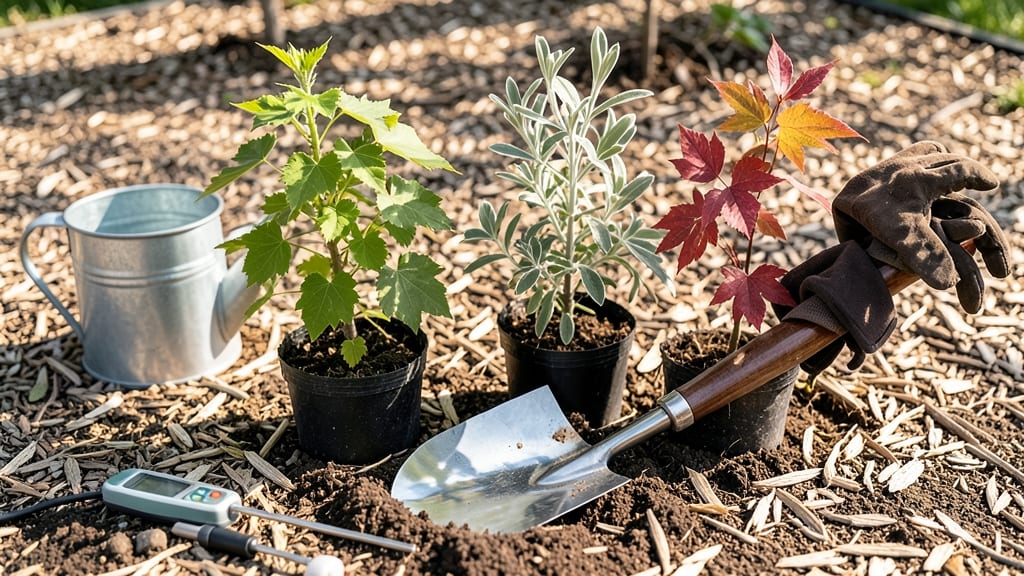
Timing your tree planting in Utah isn’t just about picking a month—it’s about matching your 🌳 microclimate to your tree’s survival needs, whether you’re in frost-prone Salt Lake City or the desert heat of St. George.
Most Utah gardeners assume spring is the only window, but the best time depends on your elevation and tree type. High-desert areas like Park City can plant as early as March, while low-lying spots like St. George wait until April to avoid heat stress.
What you’ll discover here are the exact planting windows for Utah’s four key regions, plus the soil temperature secrets that make or break root growth. Skip the guesswork and plant with confidence—your tree’s future starts with these critical months.
From dormant-season planting for hardier species to container-grown trees in early spring, I’ll break down the science and share my top pro tips for Utah’s unpredictable climate. Ready to give your tree the strongest start possible?
Utah’s microclimates: best planting months by region for optimal tree growth
Utah’s diverse geography means the best time to plant trees varies dramatically from one region to another. Whether you’re in the Wasatch Front’s urban heat islands or the high-desert elevations of Southern Utah, understanding your local climate is key to success.
I’ve broken down the ideal planting windows for Utah’s four distinct microclimates, so you can choose the perfect moment for your tree to thrive.
In Utah, soil temperature and moisture availability are critical factors. Most regions benefit from planting in late fall or early spring, when the ground isn’t frozen and rainfall is more predictable.
However, high-elevation areas like Park City or Ogden can extend their planting season into early summer due to cooler temperatures. Let’s explore the specifics for each region to ensure your tree gets the best possible start.
🌱 Visual Guide: Utah’s Planting Windows by Region
For Northern Mountains, the window is wider due to cooler temperatures, allowing you to plant as late as June. This is perfect for bare-root trees, which can establish roots quickly in the moist, spring soil.
In contrast, the Wasatch Front’s urban heat means you’ll want to plant in late fall or early spring to avoid summer stress. Mulching is non-negotiable here—it’s your best defense against the city’s heat.
The Southern Utah Desert presents unique challenges with its high temperatures and low humidity. Planting in winter months (November–February) ensures your tree avoids the brutal summer heat. If you’re in this region, consider drip irrigation systems to deliver water directly to the roots.
Meanwhile, the Colorado Plateau benefits from early spring planting, with February–April being ideal for most species.
Regardless of where you plant, always check soil moisture before digging. Utah’s clay-heavy soils in some areas can become waterlogged, while others dry out quickly. Amending the soil with compost or organic matter improves drainage and water retention, giving your tree the best chance to establish strong roots.
For container-grown trees, plant anytime the ground isn’t frozen, but aim for the same seasonal windows as bare-root trees.
One final tip: avoid planting during Utah’s monsoon season (July–August), when sudden downpours can erode soil around young roots. Instead, let nature’s watering schedule work in your favor by planting when rainfall is steady but not excessive.
With the right timing and preparation, your tree will grow into a healthy, long-lived addition to your landscape.
🌳
Critical factors that determine your tree’s survival beyond just months
While planting months set the stage, Utah’s soil moisture and elevation are the real game-changers for tree survival. At 5,000+ feet in Park City, soil stays cooler longer, while St. George’s low elevation means heat stress starts earlier. These factors dictate whether your tree’s roots establish before summer drought hits.
I’ve planted hundreds of trees across Utah, and the difference between thriving and struggling often comes down to these three critical factors: soil temperature, moisture retention, and species selection. Let’s break down how each impacts your tree’s first year.
🌱 Key Factors for Utah Tree Survival
Ideal: 50-60°F for root growth
✅ Best in spring/fall
Critical: First 3 months after planting
✅ Mulch 3-4" deep
Match to USDA Zone and water needs
✅ Drought-tolerant = less maintenance
For example, Russian olive thrives in Utah’s desert regions because it tolerates low moisture and high heat. But plant it in Salt Lake City’s Zone 6b, and you’ll struggle with winter dieback unless you choose a cold-hardy variety. Always check your tree’s USDA Zone before buying.
Another common mistake? Ignoring wind exposure. Utah’s high winds, especially in open areas, can dry out young roots faster than you think. If your planting site gets consistent wind, create a windbreak with shrubs or a temporary fence until the tree establishes.
Pro tip: Use a soil thermometer to check depth before planting. Roots need consistent moisture but not soggy soil. Aim for 50-60°F soil temps—this is when most Utah trees start vigorous root growth.
If your soil runs hotter than 70°F in summer, plant shade-tolerant species like Gambel oak or quaking aspen.
Finally, don’t overlook irrigation methods. Drip irrigation is my top recommendation for Utah’s dry climate. It delivers water slowly and directly to roots, reducing evaporation and fungal risks. Avoid overhead sprinklers—they waste water and can spread disease in hot, dry conditions.
Your tree’s survival hinges on these factors more than the calendar date. Master them, and you’ll see stronger root systems and healthier growth in just one season. Ready to dig deeper into Utah’s region-specific planting secrets?