
Trees
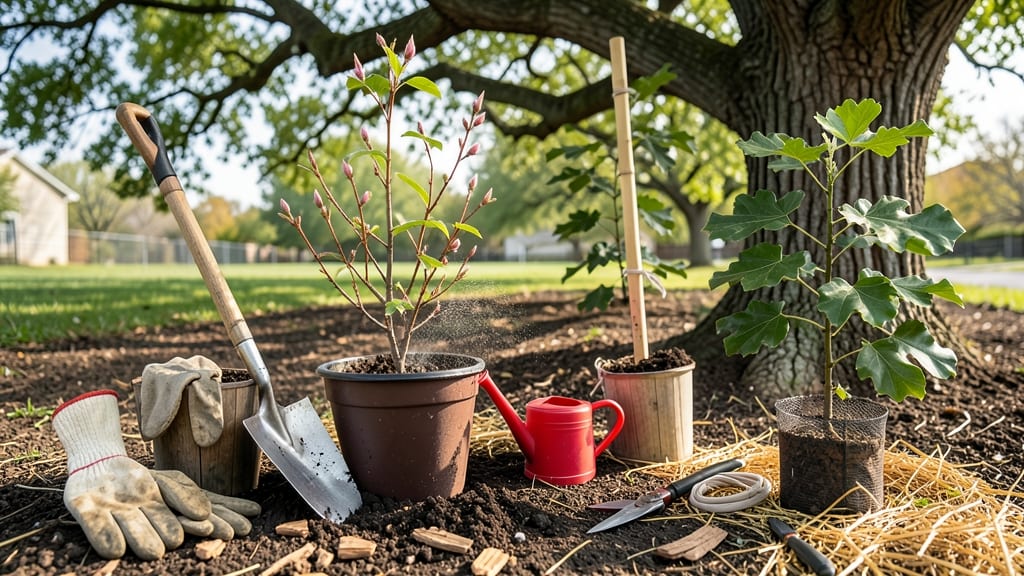
Planting a tree in Oklahoma at the wrong time can mean the difference between a thriving 🌳 shade provider and a struggling sapling—so timing is everything. With Oklahoma's 6b-7a hardiness zones and unpredictable weather, getting it right ensures your tree takes root strong and grows for decades.
Most gardeners assume spring is the only ideal window, but fall actually offers cooler temperatures and fewer pests, giving young roots a head start. I've seen firsthand how trees planted in October or November establish better than those struggling through Oklahoma's scorching spring heat.
Whether you're planting bare-root saplings or container-grown specimens, the key is understanding your zone's last frost date and soil conditions. Let me show you exactly when to plant for maximum success in Oklahoma's climate.
From soil prep to post-planting care, I'll cover everything you need to know to give your new tree the best possible start. Ready to learn the secrets to long-term tree health in the Sooner State?
Oklahoma’s ideal planting windows: spring vs fall by hardiness zone
Oklahoma spans USDA hardiness zones 6a through 8a, creating microclimates where planting timing varies by region.
In northern Oklahoma (zones 6a-6b), like Tulsa and Oklahoma City’s outskirts, frost lingers until mid-April, while southern Oklahoma (zones 7a-8a), such as Lawton or Ardmore, enjoys earlier last frosts by mid-March. These differences mean your tree’s survival hinges on choosing the right window.
For most Oklahoma gardeners, fall (October–November) and early spring (March–April) are the gold standard planting seasons. Fall planting gives roots time to establish before winter dormancy, while spring planting avoids summer’s brutal heat.
But container-grown trees offer more flexibility—they can go in the ground almost year-round, except during extreme cold or heatwaves.
Here’s the breakdown: In zone 6a (northwest Oklahoma), aim for late April to early May for spring planting, while zone 8a (southeast Oklahoma) can start as early as mid-March.
Fall planting works best from October 15 to November 15 statewide, but soil temperatures below 40°F can stunt root growth—so check before digging.
Why does this matter? Bare-root trees planted in fall establish roots before winter, giving them a head start in spring. Meanwhile, container-grown trees can handle spring planting because their roots are already established in soil.
The key is avoiding Oklahoma’s unpredictable weather: sudden freezes in April or early heatwaves can shock young trees.
For urban gardeners in Oklahoma City or Tulsa, microclimates near buildings or water features can extend the planting window by 1–2 weeks. If you’re unsure, err on the side of fall plantingfrozen or waterlogged, which can suffocate roots.
Another critical factor is tree species. Fast-growing varieties like Eastern Redbud or Green Ash tolerate a wider planting window, while Oak or Walnut trees need cooler soil temps to thrive. Always check the USDA Plant Hardiness Zone Map for your exact location to fine-tune timing.
Pro tip: If you miss the ideal window, container-grown trees can be planted in late spring (May–June) as long as you water deeply every 2–3 days and use mulch to retain moisture. Just avoid planting during Oklahoma’s summer heatwaves (July–August), when temperatures often exceed 100°F.
Remember, root establishment is the #1 priority. A tree planted at the right time with proper care can live for decades—or even centuries. Whether you’re in zone 6a or 8a, follow these guidelines, and your new tree will thank you with lush foliage and shade for generations.
🌳
Critical factors that determine your tree’s survival in Oklahoma
Oklahoma’s unpredictable weather—from sudden spring droughts to late fall freezes—means timing isn’t the only factor for tree survival. I’ve seen bare-root trees wilt in March’s heat or container-grown saplings struggle after a September drought.
The key lies in understanding how soil moisture, wind exposure, and species drought tolerance interact with your planting window.
First, soil moisture levels are critical. Oklahoma’s clay-heavy soils can suffocate roots if overwatered or dry out too quickly in spring. Always test moisture 6 inches deep before planting—aim for 60% soil moisture at the time of rooting.
A simple dig-and-squeeze test works: if soil clumps but doesn’t drip, it’s ready.
Wind exposure is another silent killer. Oklahoma’s prevailing southwest winds can desiccate young leaves faster than you’d think. Plant on the leeward side of buildings or fences for the first year, or use temporary windbreaks like burlap screens. I’ve lost count of how many newly planted oaks I’ve seen topple in a storm.
🌳 Species drought tolerance matters more than most gardeners realize. A Bur Oak thrives with minimal water once established, while a Red Maple demands consistent moisture. Check your tree’s native range—if it grows in Texas or the Southwest, it’s likely drought-hardy for Oklahoma’s Zone 7a-8a areas.
Don’t overlook fall drought risks, either. Late October can bring unseasonably dry spells, and newly planted trees rely on stored soil moisture. Mulch heavily with 3-4 inches of shredded bark to retain moisture and regulate soil temperature.
I always double-check mulch depth—too little won’t help, and too much can smother roots.
Finally, container-grown vs. bare-root trees have different needs. Bare-root trees need immediate watering to rehydrate roots, while container-grown trees may need root pruning if root-bound. Always inspect roots before planting—if they’re circling the pot, trim them gently with sterilized pruners.
💧 Post-planting care seals the deal. Water deeply every 7-10 days for the first year, even if rains come. I’ve seen trees drown from overzealous watering just as easily as they’ve died from drought. Use a soaker hose to deliver water slowly at the root zone.
🌡️ Pro tip: Monitor soil temperature with a cheap probe—ideal rooting happens between 50°F and 70°F. If your soil runs hotter in May, wait until fall. Patience now means decades of shade later.