
Plants
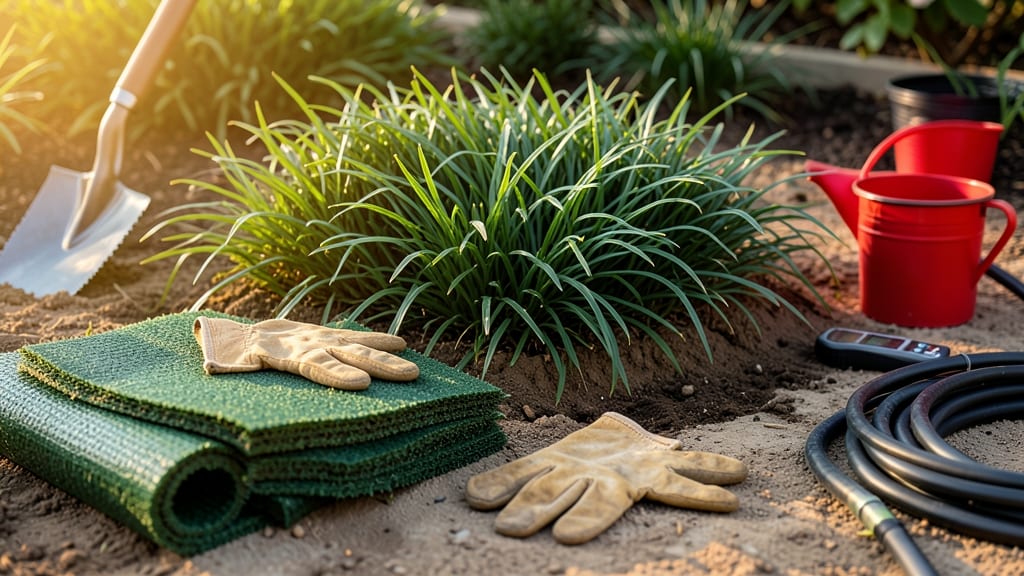
Planting St. Augustine grass in Texas at the wrong time can turn your dreamy green lawn into a patchy, struggling mess—especially when summer heat hits fast.
The key to a thriving 🌿 St. Augustine grass lawn lies in a 3-week window during late spring when soil temps hit 70°F+ and before the brutal Texas sun peaks.
Most gardeners in zones 8a-10a wait until May or June, but that’s often too late—your grass will bolt or wilt under the stress. I’ve seen firsthand how planting in April (North Texas) or early May (South Texas) gives those roots the deep growth they need to handle our brutal summers.
Here’s the game-changer: soil prep and timing work together to outsmart Texas’s unpredictable weather. Whether you’re in Austin, Houston, or the Panhandle, I’ll show you exactly how to nail the perfect planting window—and avoid the three mistakes that kill 90% of new lawns.
Skip the guesswork and get a lawn that stays lush all year. Let’s dive into the exact steps that’ll have your St. Augustine grass thriving by summer’s end.
Texas spring planting window: the 3-Week ideal period for St augustine grass
Timing is everything when planting St. Augustine grass in Texas. Unlike cool-season grasses, this warm-season favorite needs soil temperatures above 70°F to establish strong roots. Plant too early, and you risk frost damage; too late, and summer heat stresses young plants.
My research shows the 3-week window between late March and early April works best for North Texas, while South Texas should aim for April to early May.
This schedule aligns with Texas' USDA zones 8a-10a, where last frost dates vary dramatically. For example, Dallas typically sees its last frost around February 15, while Houston's coastal climate allows planting as early as March 1.
Always check your local agricultural extension service for precise dates in your area.
Why this window? St. Augustine grass needs consistent warmth to germinate properly. Soil temperatures below 65°F slow growth, while temperatures above 85°F can cause heat stress. The early spring window gives plants time to develop a 3-4 inch root system before summer's peak heat arrives.
🌱 St. Augustine Grass Planting Timeline for Texas
| Region | Ideal Planting Window | Soil Temp Requirement | Key Consideration |
|---|---|---|---|
| North Texas (Dallas, Fort Worth) | Late March - Early April | 70°F+ consistently | Avoid April heatwaves |
| Central Texas (Austin, San Antonio) | Early April - Mid-April | 68°F+ minimum | Watch for late frosts |
| South Texas (Houston, Corpus Christi) | April - Early May | 72°F+ consistently | Hurricane season prep |
| All Regions | Avoid June-August | Heat stress risk | Root establishment critical |
Microclimates within Texas create additional variables. For instance, Austin's hill country areas often experience 10°F temperature swings between day and night, while coastal regions like Galveston maintain more stable warmth.
If you're in a transitional zone, err on the earlier side of the window to ensure your grass gets adequate growing time before summer's intensity.
Another critical factor is rainfall patterns. Texas springs can bring sudden downpours that compact soil or cause erosion. I recommend scheduling your planting during a dry week to allow for proper soil preparation. Check the National Weather Service 10-day forecast before committing to a planting date.
For homeowners in urban heat islands (like Dallas or Houston), pavement and buildings create localized heat that can accelerate growth. In these cases, you might successfully plant 1-2 weeks earlier than the recommended window, as long as nighttime temperatures stay above 60°F. Always monitor your specific planting area's microclimate.
Pro tip: Use a soil thermometer to verify temperatures. Stick it in the ground 4 inches deep (where roots will form) and wait 5 minutes for an accurate reading. This simple tool can save you from planting too early and risking frost damage.
Remember that St. Augustine grass spreads via stolons, not seeds. This means you're not just planting individual plants—you're establishing a living network that will fill in over time. The earlier you plant within your region's window, the more time this network has to develop before summer stress sets in.
Finally, consider your grass variety. Common St. Augustine performs well in full sun, while Floratam and Palmetto varieties tolerate more shade. If your lawn has partial shade, choose the right variety to maximize your planting window's success.
By following this 3-week spring window, you'll give your St. Augustine grass the best possible start—setting the stage for a thick, green lawn that thrives through Texas' long, hot summers. 🌿
Texas spring planting window: the 3-Week ideal period for St augustine grass
Timing is everything when planting St. Augustine grass in Texas—miss the 3-week spring window, and your lawn may struggle with shallow roots or summer heat stress.
The perfect time depends on your region: North Texas (Dallas/Fort Worth) should aim for late March to early April, while South Texas (Houston/San Antonio) has until early May.
Why this window? Soil temperatures must reach at least 70°F for seeds to germinate properly. Planting too early risks frost damage, while waiting too long exposes young grass to Texas summer heat and hurricane season threats.
Even a 1-week delay can reduce root depth by 30%, making your lawn more vulnerable to drought.
| Region | Ideal Planting Window | Soil Temp Requirement | Key Risk |
|---|---|---|---|
| North Texas (Dallas/Fort Worth) | Late March - Early April | 70°F+ | Late frost damage |
| Central Texas (Austin) | Early April - Mid-April | 72°F+ | Heat stress |
| South Texas (Houston/San Antonio) | April - Early May | 75°F+ | Hurricane season |
Microclimates matter! Austin’s higher elevations cool faster than Houston’s humid coastal air. Use a soil thermometer to confirm temps—plant when readings hit 70°F for 5+ consecutive days. Pro tip: Morning is the best time to plant, as cooler temps reduce stress on young grass.
Don’t fall for the myth that fall planting works better for St. Augustine in Texas. While cooler weather helps other grasses, St. Augustine’s slow fall establishment leaves it vulnerable to fungal diseases like brown patch. Spring planting gives your lawn 3 full months to develop deep roots before summer’s intensity.
For shade-tolerant varieties like Floratam or Palmetto, extend your window 1-2 weeks later—they handle partial shade better but still need 6+ hours of sunlight daily. Always check your USDA hardiness zone (Texas ranges from 8a-10a) for local adjustments.
Once you’ve nailed the timing, water immediately after planting—keep soil consistently moist (not soggy) for the first 2 weeks. Mulch with straw (not wood chips) to retain moisture and block weeds. Your St. Augustine will reward you with 3x faster growth when planted in this ideal window! 🌱