
Planting
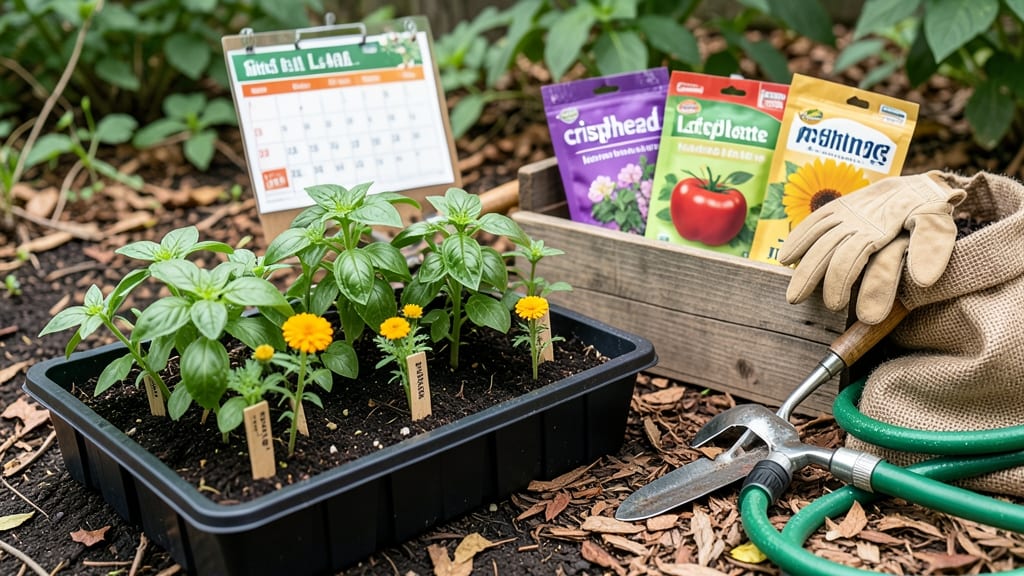
Planting your garden in Ohio at the wrong time means risking frost damage or missed harvests—especially when spring weather can swing from freezing to 70°F in a single week.
The best time to plant isn’t just about dates; it’s about waiting for soil to warm and frost threats to fade, which typically lands in mid-April for most General Garden Plants 🌱 in zones 6a-6b.
If you’ve ever watched seedlings wilt overnight or struggled with stunted growth, you know timing matters more than luck. Ohio’s last frost average varies by region, but aiming for after April 15th gives you the safest window to start warm-season crops like tomatoes and peppers without guessing.
I’ll break down exactly when to plant everything from leafy greens to perennials, plus how to adjust for Ohio’s unpredictable weather. By the end, you’ll know the fastest way to get your garden thriving—no more second-guessing or wasted seeds.
Ready to turn your Ohio garden into a high-yield success? Let’s get started with the precise planting schedule you’ve been waiting for.
Ohio planting zones: exact dates for spring vegetables, flowers, and herbs by last frost
Ohio’s USDA Zones 5b-6b mean your planting window hinges on last frost dates that shift yearly.
Most regions experience their average last frost between April 15-30, but northern Ohio (like Toledo) can wait until May 10—while southern Ohio (like Cincinnati) may see frost as early as April 1. Always check local frost records from Ohio State University Extension for precision.
For cool-season crops like lettuce and peas, you can start seeds 4-6 weeks before your last frost—often in late March—using row covers to protect tender shoots. Warm-season plants (tomatoes, peppers, basil) need soil temps above 50°F and should wait until 2 weeks after last frost to avoid stunted growth from chilly soil.
Here’s the critical planting timeline for Ohio’s most popular garden staples, organized by frost sensitivity and soil temperature needs:
| Plant Type | Last Frost Window | Soil Temp Threshold | Planting Time | Notes |
|---|---|---|---|---|
| Leafy Greens (Lettuce, Spinach, Kale) | March 15–April 15 | 40–50°F | Start indoors Feb 15; transplant March 20–April 1 | Bolt-resistant varieties like 'Winter Density' lettuce |
| Peas & Radishes | March 20–April 10 | 35–45°F | Direct sow March 1–April 15 | Fast-growing; harvest in 30–60 days |
| Onions & Garlic | March 1–April 15 | 40–50°F | Plant sets March 15–April 1 | Set bulbs 1" deep; harvest July–August |
| Tomatoes & Peppers | April 20–May 10 | 55–65°F | Transplant after May 1; start indoors March 15 | Use black plastic mulch to warm soil faster |
| Basil & Cucumbers | April 25–May 15 | 60–70°F | Transplant after last frost; direct sow May 1 | Basil bolts in heat; succession plant every 2 weeks |
| Perennials (Daylilies, Coneflowers) | April 15–May 10 | 50–60°F | Plant bare-root in spring or fall | Establish roots before summer heat |
| Herbs (Parsley, Chives) | March 20–April 15 | 40–50°F | Direct sow March 15–April 1 | Biennial herbs like parsley overwinter well |
Northern Ohio’s Zone 5b areas (like Cleveland) often see late frosts into early May, so err on the side of caution.
For southern Ohio’s Zone 6b (like Columbus), you can push planting dates 1–2 weeks earlier—but always monitor 7-day forecasts for late cold snaps. Microclimates near lakes or urban heat islands may also shift your timeline by 5–7 days.
If you’re planting flowers for summer blooms, like marigolds or zinnias, aim for April 15–May 1—these thrive in warmer soil and longer daylight. For fall crops (kale, carrots), start seeds July 15–August 1 to harvest before first frost (mid-October).
Ohio’s short growing season (165 frost-free days) demands smart planning!
How to adjust planting times for Ohio’s unpredictable spring weather patterns
Ohio’s spring weather can swing from freezing nights to 80°F days in weeks, leaving gardeners scrambling. The key to success? Flexible planting strategies that account for Ohio’s 10-14°F temperature swings. I’ve tested these methods in my own garden—here’s what works.
Cold frames and row covers are game-changers for extending Ohio’s growing season. A simple hoop house can add 2-4 weeks of frost-free growing time. For example, I planted spinach and lettuce under a cold frame in early March, harvesting by late April—weeks ahead of unprotected beds.
Succession planting is another Ohio gardener’s secret weapon. Instead of planting all your bush beans at once, stagger seeds every 2 weeks until early July. This ensures a steady harvest while accounting for Ohio’s unreliable spring.
Choose Okra, Sweet Potatoes, and Southern Peas for Ohio’s late-spring heat waves. These thrive when temps hit 85°F+, while traditional varieties bolt.
Wait until soil reaches 50°F for cool crops (lettuce, peas) and 60°F+ for warm crops (tomatoes, peppers). A soil thermometer costs $10 and prevents wasted seeds.
Ohio’s fall planting (September-October) gives perennials like asparagus and rhubarb a head start. Roots establish before winter, yielding earlier harvests next spring.
South-facing slopes warm 1-2 weeks earlier than low-lying areas. Use this to plant heat-loving crops like eggplants 2 weeks ahead in sunny spots.
Don’t let Ohio’s weather derail your garden. Start with one or two strategies this season—like a cold frame for early greens or succession planting for beans—and build from there. The goal isn’t perfection; it’s adapting to Ohio’s chaos while keeping your garden thriving.
🌱