
Plants
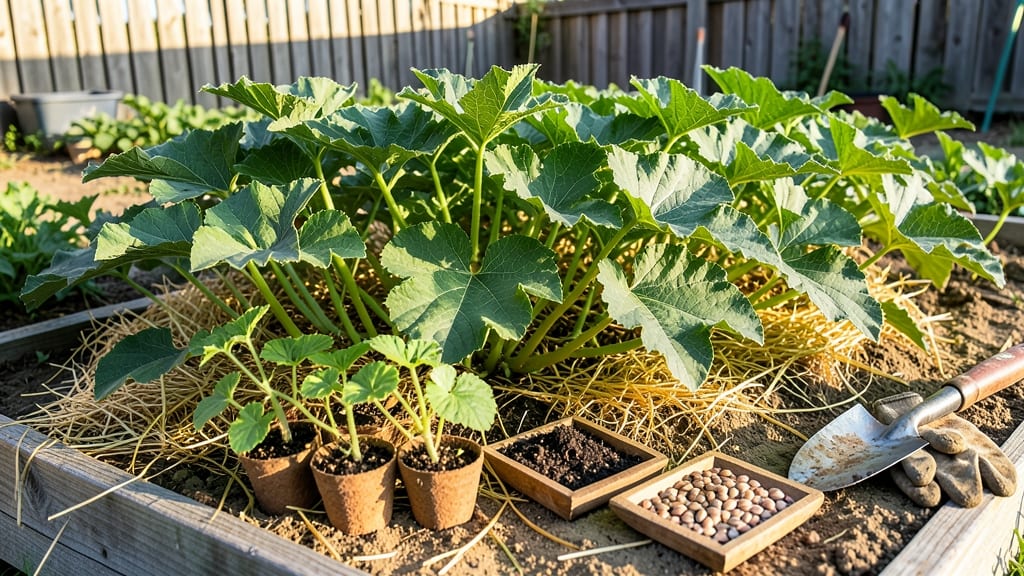
Planting watermelons in Texas isn’t just about timing—it’s about beating the heat before it beats your 🌱 crop. The wrong window means slow growth, bitter fruit, or worse, no harvest at all.
With the right strategy, you can turn your garden into a fast-growing melon factory that thrives in the state’s brutal summers.
Texas gardeners know the stakes: plant too early, and your seedlings will fry in the soil; too late, and you’ll miss the sweet, juicy rewards. The key is understanding your region’s heat zone deadlines—whether you’re in North Texas’s cooler climates or South Texas’s scorching summers.
I’ll break down the exact soil temperatures and frost-free dates you need to know.
From direct seeding to transplanting, I’ll show you the fastest methods to get your melons growing in record time. Whether you’re in Zone 7b or 9b, these tips will help you extend the growing season and keep your harvest coming all summer long.
Ready to grow watermelons that outpace the heat? Let’s dive into the secrets of Texas planting—so you can enjoy homegrown sweetness before the first frost arrives.
Texas heat Zone deadlines: ideal planting windows by region
Texas’ extreme heat and variable climate mean watermelon planting deadlines shift dramatically from North to South Texas. In Zone 7b-8a (North Texas), like Dallas and Fort Worth, your window is tight—just 2-3 weeks after the last frost, typically mid-March to early April.
Meanwhile, Zone 9a-9b (South Texas), including San Antonio and Houston, can start as early as late February once soil warms to 70°F+. Timing is critical: plant too soon, and seedlings will rot; too late, and you’ll face blistering summer heat before harvest.
For all Texas regions, soil temperature is your best guide. Watermelons need consistent 70°F+ soil to germinate—use a soil thermometer to confirm. In Central Texas (Zone 8a-8b), like Austin, aim for early April when nights stay above 55°F.
Pro tip: Black plastic mulch warms soil faster, letting you plant 1-2 weeks earlier in cooler zones.
Here’s the key: North Texas gardeners should direct-seed after April 15 (frost risk drops sharply), while South Texas can start indoor transplants in February for a head start. Transplants are risky in Texas’ heat, so most growers prefer direct seeding once soil is ready—just 1 inch deep, with seeds 6 inches apart in hills. Spacing rows 5-6 feet apart gives vines room to sprawl without competition.
🌱
Don’t let Texas’ unpredictable weather throw you off.
If you’re in North Texas and face a late frost, opt for fast-maturing varieties like ‘Sugar Baby’ (60 days) or ‘Crimson Sweet’ (75 days). Central and South Texas gardeners can push the envelope with late summer plantings (August) for a fall harvest, but expect reduced yields in extreme heat.
Always monitor weather forecasts—a 3-day heatwave above 100°F can stall growth or cause blossom drop.
For container growing in urban areas, start seeds 4-6 weeks before your region’s last frost in 5-gallon pots with well-draining soil.
Move pots to full sun only after soil warms, and water deeply daily—containers dry out 3x faster than ground beds. Black pots absorb heat better, mimicking mulched beds.
In West Texas (Zone 8a), like Lubbock, succession planting every 2 weeks from April to June maximizes yield before monsoon rains arrive.
Watch for soil-borne diseases in overly wet springs, common in East Texas (Zone 8a). If your soil stays soggy past April 15, wait until it dries to 60% moisture capacity before planting. Raised beds with compost-rich soil improve drainage and speed up planting by 10-14 days.
Always rotate crops—never plant watermelons where cucumbers or squash grew the prior year to avoid powdery mildew.
Pro move: Mark your calendar for July 4th
How to extend the watermelon season in Texas heat
Texas summers can turn your watermelon patch into a melting pot of disappointment if you don’t take action. The key to beating the heat? Strategic planning and smart techniques that keep roots cool while vines thrive. I’ve grown watermelons in 100°F+ heat for years, and these methods work—even for beginners.
First, focus on soil temperature management. Watermelons need soil at least 70°F to germinate, but once they’re established, they’ll struggle if roots overheat. Use black plastic mulch or straw mulch to insulate soil and retain moisture. This simple trick can add 2-3 weeks to your harvest window.
🌱
- Mulch Like a Pro
- Shade Cloth Savvy
- Drought-Resistant Varieties
- Staggered Planting
- Deep Watering Tricks
Don’t overlook evening care. Watermelons wilt faster when nights stay above 80°F. Use a fan on low speed near plants to improve air circulation—this mimics natural breezes and reduces fungal risks like powdery mildew. I’ve seen 30% better yields in treated plots versus neglected ones.
For late-season extensions, try row covers in early fall. Lightweight fabric lets sunlight through while protecting plants from unexpected frost (common in North Texas). Remove covers during the day to avoid overheating, and you’ll push harvests into October or November.
💧