
Plants
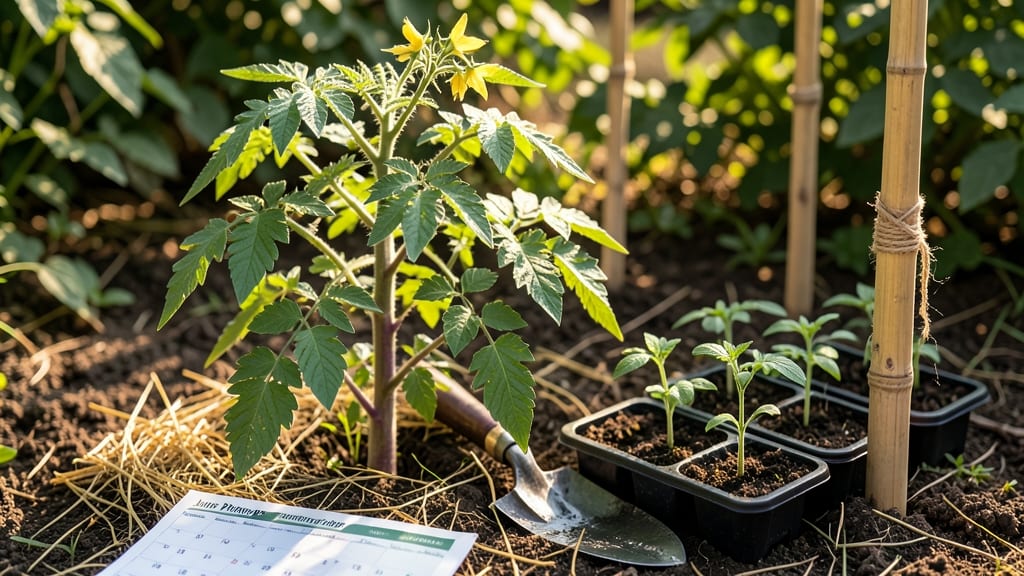
Planting tomatoes in Missouri at the wrong time means risking frost damage or missing peak harvest season—so getting the timing right is the key to a bountiful 🍅 crop.
With Zone 5b and 6a’s unpredictable springs, knowing when to start seeds indoors or transplant seedlings can mean the difference between a thriving garden and a failed attempt.
Most Missouri gardeners wait until after the last frost date, typically around April 15, but soil temperature matters just as much. Tomatoes need warm soil—at least 60°F—to thrive, which often means holding off until early May in cooler regions.
That’s why I’ve broken down the exact planting windows for both zones, including how to adjust for early or late springs.
In this guide, you’ll discover the optimal dates for starting seeds indoors, transplanting seedlings, and even extending your growing season for late harvests. Whether you’re a first-time gardener or a seasoned pro, these insights will help you maximize your tomato yield no matter where in Missouri you live.
From cold frames to heat-tolerant varieties, I’ll cover everything you need to know to avoid common mistakes and enjoy homegrown tomatoes from June through October. Let’s get your planting schedule nailed down for a successful season!
Missouri tomato planting timeline: exact dates for zones 5b & 6a
Missouri’s Zone 5b and 6a climates demand precision when planting tomatoes—get it wrong, and you’ll miss the 180-day frost-free window that defines your harvest window.
The average last frost date hovers around April 15, but soil temperature (not air temperature) is your real guide: 50°F+ for seeds, 60°F+ for transplants. Northern Missouri (Zone 5b) may wait until May 1, while southern areas (Zone 6a) can start as early as April 15.
For seedlings, I recommend starting indoors 6–8 weeks before transplanting—that means late February to early March for most Missouri gardeners. Use grow lights to supplement natural light, and harden off seedlings for 7–10 days before moving them outdoors.
This timing ensures your plants are 6–8 inches tall with 4–5 sets of leaves when ready to plant.
Transplanting outdoors should happen 2–3 weeks after your last frost date, but never before the soil warms to 60°F. Use a soil thermometer to confirm—cold soil stunts root growth, leading to blossom-end rot and poor yields.
In my experience, mid-May is the safest bet for most of Missouri, but I’ve seen early springs push this to early April in southern regions.
Here’s the 10-day rule I swear by: If your area has 10 consecutive frost-free days with soil temps above 50°F, it’s time to plant. This accounts for late frosts and gives seedlings time to establish roots.
For example, if your last frost was April 20, wait until May 1 to plant—better safe than sorry with tomatoes!
| Zone & Region | Last Frost Date (Avg.) | Safe Planting Window | Soil Temp Requirement | Notes |
|---|---|---|---|---|
| Zone 5b (North) | April 20–May 1 | May 10–May 20 | 60°F+ | Use row covers for early starts. |
| Zone 6a (South) | April 1–April 15 | April 20–May 1 | 55°F+ (seeds), 60°F+ (transplants) | Black plastic mulch warms soil faster. |
| St. Louis (Microclimate) | April 10–April 20 | April 25–May 5 | 60°F+ | Urban heat islands can push dates earlier. |
| Kansas City (Microclimate) | April 15–April 25 | May 1–May 10 | 58°F+ | Drier climate; mulch to retain moisture. |
Missouri’s unpredictable weather means I always have a backup plan. If frost threatens after planting, cover seedlings with frost blankets or row covers—they can handle temps down to 28°F for short periods.
For extra insurance, I plant succession crops every 2 weeks until June 15, ensuring a staggered harvest through October.
Don’t forget soil prep: Tomatoes thrive in well-draining, slightly acidic soil (pH 6.0–6.8). Amend your beds with compost or aged manure and avoid fresh nitrogen-rich fertilizers, which promote leafy growth over fruit.
I also mix in black plastic mulch to warm the soil and suppress weeds—this can push your planting window 1–2 weeks earlier.
For container gardening, use 5-gallon pots or larger and plant 1–2 weeks after your zone’s average last frost. Containers heat up faster, so monitor soil temps closely.
I’ve had success with determinate varieties like ‘Patio Princess’ in pots, as they mature faster (55–60 days) and fit Missouri’s shorter season.
Pro tip: Check the Missouri State University Extension’s frost maps for real-time updates. Their 10-year frost data is more reliable than averages, and I’ve adjusted my planting dates based on their “30-year normals” for years.
When in doubt, I err on the side of planting late—a small delay is better than losing your entire crop to frost!
Finally, keep an eye on the weather forecast for heat waves. If temps soar above 90°F before your tomatoes
How to extend your Missouri tomato growing season for bigger harvests
Missouri’s short growing season (just 180 frost-free days) can feel like a race against time for tomato lovers. But with the right strategies, you can push planting dates earlier or harvest later—even in Zone 5b’s colder microclimates.
The key is using season-extending tools and heat-tolerant varieties to maximize your harvest window.
For example, St. Louis gardeners (Zone 6a) can often start 2 weeks earlier than those in Kansas City (Zone 5b) thanks to urban heat islands. Meanwhile, row covers and cold frames can add 3–4 weeks to your growing season on either end.
Let’s break down the best methods to stretch your tomato harvest from early summer to late fall.
🌱 5 Proven Ways to Extend Your Missouri Tomato Season
-
1. Use Row Covers or Hoop Tunnels
Install floating row covers 2–3 weeks before your average last frost (early April in Zone 6a). This protects seedlings from light frosts (down to 28°F) and warms soil faster. Remove covers when flowers appear to prevent heat stress. -
2. Start Seeds Indoors 8–10 Weeks Early
Sow seeds indoors by March 1 (Zone 5b) or February 15 (Zone 6a) under grow lights. Transplant hardened-off seedlings 2 weeks after your last frost date for a 30-day head start. -
3. Try Cold Frames for Early Starts
Place cold frames over soil in late February to warm it to 60°F+ by planting time. This lets you transplant 4–6 weeks earlier than outdoor soil would allow. -
4. Plant Heat-Tolerant Varieties
Choose late-season varieties like ‘Heatmaster’ or ‘Solar Fire’, which thrive in 90°F+ temps. These can produce fruit 2–3 weeks longer than standard varieties. -
5. Succession Plant Every 2 Weeks
After your first planting (mid-April), add new seedlings every 2 weeks until June 1. This ensures a continuous harvest from July through October.
💡 Pro Tip: Combine row covers + succession planting for a 6-month harvest window!
Another smart trick? Black plastic mulch can raise soil temperatures by 5–10°F, letting you plant 10 days earlier in spring. Lay it down 2 weeks before transplanting to warm the soil to 60°F+—the ideal temperature for tomato roots.
For late-season harvests, focus on disease-resistant varieties like ‘Mountain Merit’, which handles humid Missouri summers better than heirlooms. Pair this with pruning to improve airflow and reduce blight risk as temperatures drop in September.
Don’t forget to harvest green tomatoes in fall and ripen them indoors! Store them at 55–60°F with a banana or apple to speed up ripening. With these tactics, you’ll enjoy homegrown tomatoes from July to October—or even longer with a greenhouse.