
Plants
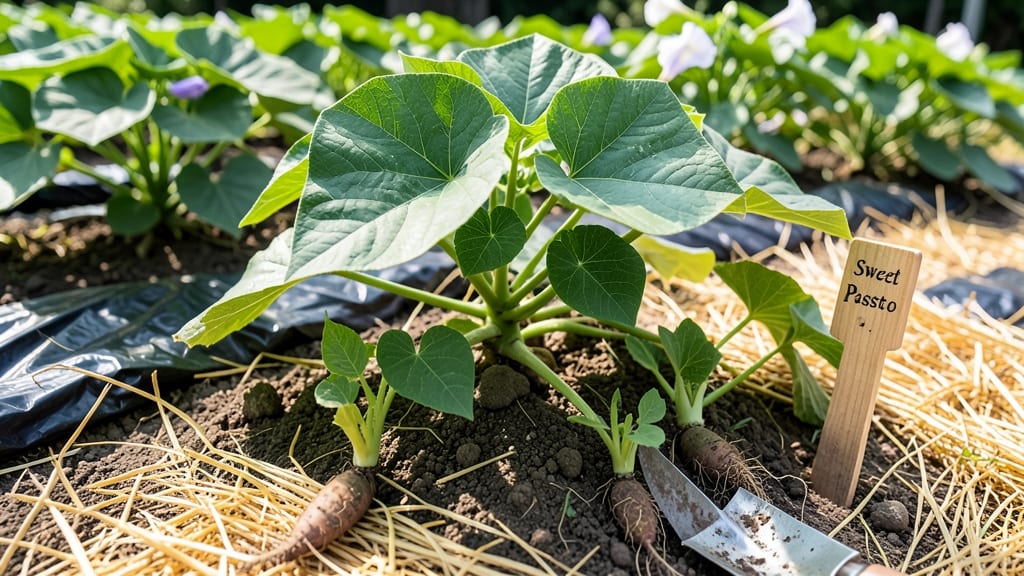
If you're dreaming of a bumper crop of 🍠 sweet potatoes this fall, timing your Louisiana planting window could mean the difference between a handful of small tubers and a garden bursting with golden, flavorful harvests.
Here’s the secret: Louisiana’s 8a-9b heat zones demand precision—plant too early, and frost nibbles your slips; too late, and your harvest shrinks. The ideal window stretches from March through July, but soil temperature and regional microclimates (like New Orleans vs. Shreveport) add layers to the equation.
I’ll break down the exact months to plant for maximum yields, plus pro tips to outsmart humidity, heat, and even hurricanes. Whether you’re starting with slips or seeds, this is your roadmap to a sweeter, more abundant harvest by December.
Ready to turn your garden into a sweet potato powerhouse? Let’s dive into the science—and the shortcuts—that work in Louisiana’s climate.
Louisiana’s sweet potato planting calendar by heat zone
Sweet potatoes love Louisiana’s heat, but timing your planting is the secret to avoiding frost damage or stunted growth. The state spans USDA zones 7B-9A, with northern regions like Shreveport needing earlier starts than southern zones like New Orleans.
Here’s your month-by-month guide to planting slips (young plants) or seed potatoes for maximum yields.
Most Louisiana gardeners plant sweet potatoes between mid-March and July, but the best window depends on your frost-free date and soil temperature. Wait until the soil reaches 65°F—any earlier, and roots struggle to develop.
Use a soil thermometer to check, especially in cooler northern parishes like Bossier or Webster.
For northern Louisiana (zones 7B-8A), aim for March 15–April 30. In central/southern zones (8B-9A), you can plant until June 15—even July plantings work if you use black plastic mulch to retain heat.
The key? Plant after the last frost, which typically falls around February 15 in New Orleans but can linger until March 15 in Shreveport.
🌱 Louisiana Sweet Potato Planting Summary
| Zone/Region | Best Planting Window | Soil Temp Requirement | Harvest Window |
|---|---|---|---|
| Northern (7B-8A) | March 15–April 30 | 65°F+ | October–November |
| Central (8B) | April 1–June 15 | 65°F+ | October–December |
| Southern (9A) | April 15–July 15 | 65°F+ | November–December |
💡 Pro Tip: Use black plastic mulch to warm soil faster in cooler zones.
If you’re growing from seed potatoes (whole tubers), start them indoors 8–10 weeks before your target outdoor planting date. Louisiana’s humidity means seed potatoes can sprout quickly, so keep them in bright, warm conditions (70–75°F) until slips (shoots) are 4–6 inches tall.
Harden them off for 7–10 days before transplanting.
For direct-sown seeds (less common but possible), wait until mid-May in northern Louisiana or June in southern areas. Seeds need consistent warmth to germinate, so use row covers if nighttime temps dip below 70°F. Seeds take 20–30 days to sprout—patience is key!
Extend your harvest by planting successive batches every 2–3 weeks from April through June. This staggered approach ensures a continuous supply of sweet potatoes from October through December. Just remember: later plantings mean smaller yields, but they’re still worth it for fresh tubers in winter.
Watch for hurricane season (June–November) when planning. If a storm hits, mulch heavily to protect soil moisture and stake vines if winds exceed 30 mph. Sweet potatoes are drought-tolerant once established, but consistent moisture in the first 4–6 weeks is critical for root development.
For commercial growers or large-scale gardens, consider black plastic mulch to increase soil temperature by 5–10°F, speeding up growth. Amend soil with compost or aged manure before planting—sweet potatoes hate soggy soil but thrive in well-draining, sandy loam.
🌱 Final Tip: Mark your calendar for October 15—this is when most Louisiana sweet potatoes are ready for harvest. Dig carefully with a fork to avoid damaging tubers, and let them cure in the sun for 10 days to sweeten them up!
5 Critical factors that determine your planting success in Louisiana
Louisiana’s humid climate and sandy loam soils create unique challenges for sweet potato growers. Unlike northern states, your success hinges on soil temperature, moisture balance, and hurricane preparedness—not just frost dates.
Let’s break down the 5 non-negotiable factors that separate a thriving harvest from a disappointing yield.
First, soil temperature must reach at least 65°F before planting slips. Louisiana’s USDA zones 8a-9b mean you can start as early as mid-March in Shreveport but wait until late April in New Orleans to avoid soil-borne diseases that thrive in cooler, damp conditions.
Use a soil thermometer to confirm—this is your green light for planting.
🌱 Critical Factor #1: Soil Temperature & Prep
- ✅ Ideal temp: 65°F+ (use slips only)
- ✅ Test depth: 4-6 inches
- ✅ Amend soil: Sandy loam + compost (1:1 ratio)
- ⚠️ Avoid: Clay-heavy soils (root rot risk)
Next, spacing and vine management are critical. Sweet potato vines spread aggressively—give each plant 12-18 inches of space in rows 3-4 feet apart. In Louisiana’s high humidity, crowded plants invite fungal diseases like black rot.
Prune vines to 12-18 inches tall to redirect energy to tuber development instead of leafy growth. This trick boosts yields by up to 30% in trials at the LSU AgCenter.
Watering is where most Louisiana gardeners stumble. Sweet potatoes need consistent moisture but hate soggy roots. Aim for 1-2 inches of water per week, delivered via drip irrigation or soaker hoses to keep foliage dry. Morning watering prevents fungal spores from thriving overnight.
During hurricane season (June-November), elevate beds or use raised containers to prevent waterlogging—a silent killer of sweet potato roots.
💧 Critical Factor #3: Watering & Drainage
- 📏 Spacing: 12-18" apart (rows 3-4' apart)
- 💦 Method: Drip irrigation (avoid overhead)
- ⏰ Timing: Early morning (prevents fungal growth)
- 🌧️ Hurricane prep: Raise beds or use containers
Don’t overlook mulching—this is your secret weapon against Louisiana’s intense heat and humidity.
Apply 3-4 inches of straw or pine needles after vines establish to: - Retain moisture (critical in summer droughts) - Suppress weeds (competition steals nutrients) - Regulate soil temp (prevents scorching roots) Skip mulch too early, and you’ll risk soil-borne diseases like southern blight.
Time it right, and you’ll see larger, sweeter tubers at harvest.
Finally, extend your growing season for a fall harvest by using row covers or low tunnels after mid-September. This buys you 4-6 extra weeks of growth before the first frost (December 1 in most of Louisiana).
For a winter harvest, plant slips in late summer (August)—they’ll mature just in time for holiday feasts!