
Plants
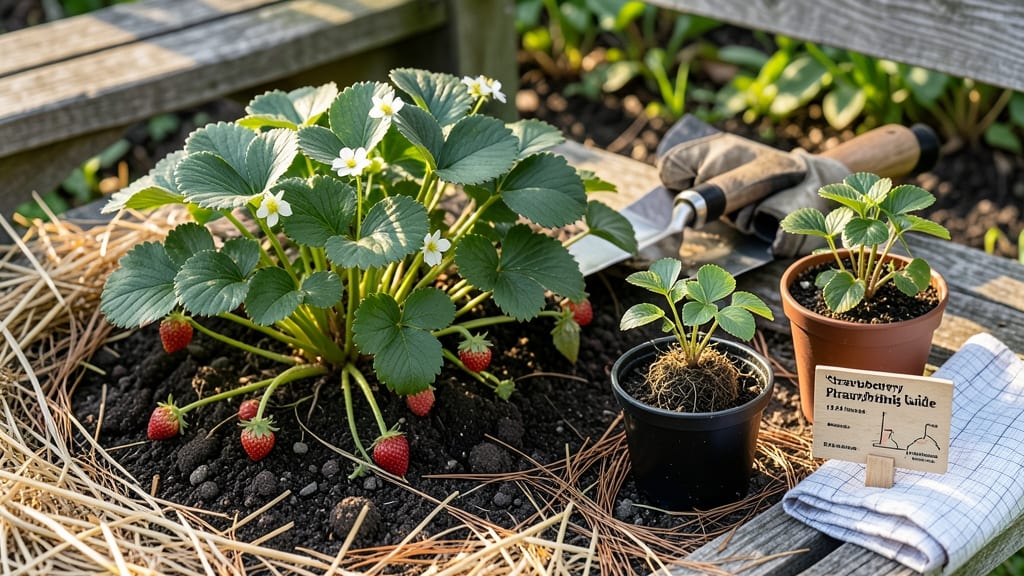
Planting strawberries at the wrong time in Zone 7 could mean watching your 🍓 plants wither before they even take root. The key to success lies in understanding your local frost dates and soil temperatures, which vary more than you might think—even within the same zone.
Most gardeners in Zone 7 know spring is the prime window, but did you realize late summer planting can actually give you a fall harvest? The difference between a thriving patch and a frost-heaved disappointment often comes down to timing soil prep and choosing the right variety for your microclimate.
I'll walk you through the exact planting windows for both spring and fall, including how to adjust for coastal vs. inland conditions. You'll learn which varieties handle Zone 7's unpredictable weather best and how to prepare your soil for maximum success.
Whether you're working with bare-root plants or potted varieties, these insights will help you avoid common mistakes and get your strawberries off to the strongest possible start. Let's get those berries growing!
Zone 7 strawberry planting timeline: soil temperature & frost-free deadlines
Getting the timing right for strawberry planting in Zone 7 means checking two critical factors: soil temperature and last frost dates. Strawberries need roots to establish in 40–50°F soil before shoots emerge, while air temperatures below 28°F can kill young plants.
In Zone 7, these windows vary slightly between coastal areas (like Raleigh) and inland regions (like Asheville), where frost arrives earlier.
For spring planting, aim to plant 4–6 weeks before your average last frost date—typically mid-March to early April in most of Zone 7.
This gives roots time to grow before warmer air temperatures trigger shoot growth. Fall planting for a late-season harvest requires planting 6–8 weeks before first frost (usually late July to early August), allowing plants to establish before winter dormancy.
Here’s how to calculate your exact window: Check your local USDA frost calendar (e.g., March 15–April 15 for Piedmont) and subtract 4 weeks for spring. For fall, subtract 8 weeks from your first frost date (e.g., October 15 – 8 weeks = August 15).
Use a soil thermometer to confirm temperatures are above 40°F before planting.
Pro tip: If you’re planting bare-root strawberries, soak roots in water for 2–4 hours before planting to reduce transplant shock. For potted plants, harden them off by exposing them to outdoor conditions for 3–5 days before planting.
| Planting Window | Soil Temp Requirement | Frost Risk | Ideal Variety Type |
|---|---|---|---|
| Spring: March 15–April 15 | 40–50°F (roots), 60°F+ (shoots) | Low (after last frost) | June-bearing or everbearing |
| Fall: July 15–August 15 | 40–50°F (roots), 60°F+ (shoots) | Moderate (before first frost) | Day-neutral or everbearing |
| Extended Spring: February (coastal) | 40–50°F (roots only) | High (use frost cloth) | June-bearing (early varieties) |
Microclimates matter! If you live in a cooler microclimate (e.g., mountain valleys), plant 2–3 weeks later than the general Zone 7 guideline. Conversely, urban heat islands or south-facing slopes may allow earlier planting.
Test your soil’s warmth by pressing your hand into the ground—if it’s too cold for comfort, wait a few more days.
For container gardening, plant 1–2 weeks earlier than in-ground beds since pots warm up faster. Use black plastic mulch to raise soil temperatures by 5–10°F if your spring is slow to warm. Avoid planting when rain is forecasted for 48 hours, as soggy soil can suffocate roots.
Once planted, mulch with straw or pine needles to insulate roots from temperature swings and retain moisture. In fall, add a 4–6 inch layer of mulch to protect plants through winter.
Monitor for frost heave (when soil freezes and pushes plants out of the ground) by covering beds with straw mulch before hard freezes.
Remember: June-bearing varieties need chilling hours (300–500 hours below 45°F) to fruit, while day-neutral varieties produce continuously if temperatures stay above 50°F. Adjust your planting timeline based on your variety’s needs—everbearing types (like 'Albion') can handle both spring and fall plantings.
🌱
Zone 7 strawberry planting timeline: soil temperature & frost-free deadlines
Planting strawberries in Zone 7 requires precise timing to avoid frost damage or stunted growth. The ideal window spans early spring (March–April) and late summer (July–August), aligning with soil temperatures and frost-free deadlines.
For June-bearing varieties, aim for 4–6 weeks before the last frost—typically by March 15—while everbearing/day-neutral types can handle slightly later plantings into April.
Soil temperature is critical: roots need 40–50°F to establish, while shoots thrive at 60°F+. Use a soil thermometer to confirm readiness—cold soil delays growth.
In Zone 7, average last frost dates vary: Piedmont regions (e.g., Raleigh) see frost by mid-April, while Appalachian areas (e.g., Asheville) may wait until late April. Adjust your timeline accordingly to maximize your harvest window.
| Stage | Action | Soil Temp | Frost Risk |
|---|---|---|---|
| Early Spring | Plant bare-root or potted | 40–50°F | High (before last frost) |
| Late Summer | Plant for fall harvest | 60–70°F | Low (6–8 weeks before first frost) |
| Post-Planting | Mulch & water deeply | N/A | None |
For a fall harvest, plant July–August to give berries time to mature before first frost (mid-October). This works best with day-neutral varieties like 'Seascape' or 'Tristar', which produce continuously.
Bare-root plants need soil temps above 50°F to avoid shock, while potted varieties adapt faster—ideal if your spring is unpredictable. Pro tip: Use black plastic mulch to warm soil earlier in spring and extend harvests.
Microclimates matter! Coastal areas (e.g., Outer Banks) have milder winters, allowing later spring plantings (April), while inland zones (e.g., Lexington) may need earlier plantings (March).
Check your local USDA frost map or ask your Cooperative Extension office for hyper-local advice. Even a 2-week difference can impact yield—don’t guess!
After planting, monitor soil moisture and pest activity. Strawberries need 1–1.5 inches of water weekly, but avoid overhead watering to prevent fungal diseases. In Zone 7, slugs and birds are common—use diatomaceous earth or row covers to protect young plants.
With the right timing, your strawberry beds can produce for 2–3 years with minimal replanting.
Remember: June-bearing varieties yield heavily in one 2-week window, while everbearing types produce two smaller harvests. Plan your planting schedule to match your culinary goals—whether it’s jam-making or fresh eating. Start small with 5–10 plants to test your local conditions before expanding.