
Plants
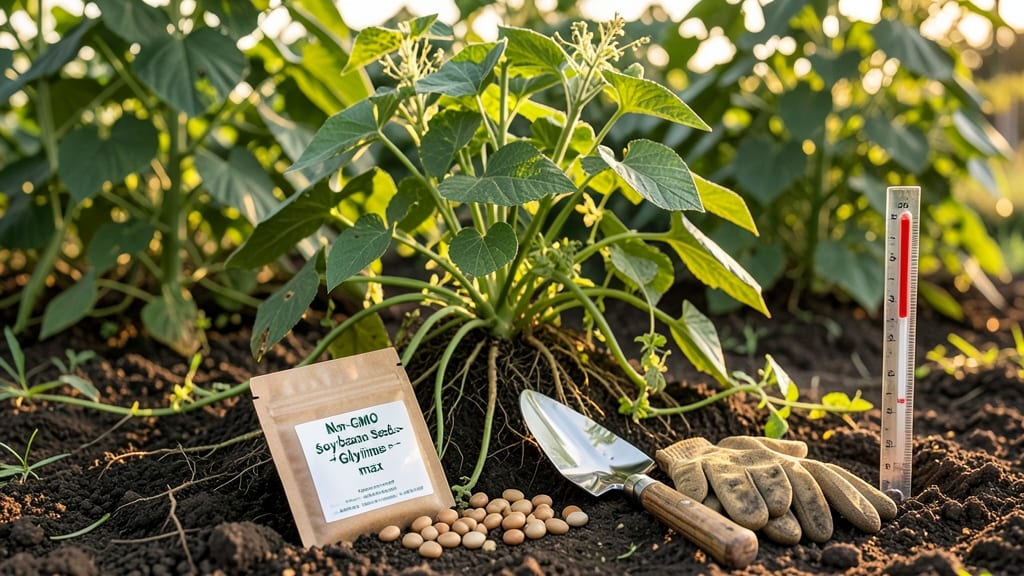
Planting soybeans in Alabama at the wrong time can mean the difference between a thriving crop and lost potential—so getting the timing right is your first step to success with this high-yielding legume.
Alabama’s 7b-8b climate gives you a 3-month window from April through June, but those dates aren’t one-size-fits-all. Whether you’re in the cooler hills of North Alabama or the warmer Gulf Coast, knowing when to drop those seeds ensures strong germination and maximum harvests by September-October.
I’ve seen firsthand how late planting can shrink yields, while early starts sometimes risk frost damage. The key? Waiting until soil temperatures hit 60°F+ and at least two weeks after the last frost—usually by late April.
But what if you miss that window? We’ll cover smart adjustments for double-cropping or pushing limits into June.
Let’s break down the best planting strategies for your specific corner of Alabama, so you can grow soybeans like a pro—no guesswork, just results.
Optimal soybean planting dates in Alabama by region
Alabama’s diverse climate means soybean planting dates vary dramatically from North to South. In North Alabama (USDA Zone 7b), cooler temperatures delay planting until late April to early May, while South Alabama (Zone 8b) can start as early as mid-March in frost-free areas.
Central Alabama falls in between, with ideal windows spanning late April through mid-May.
Soil temperature is your best guide: soybeans thrive when soil reaches 60°F+. Use a soil thermometer to confirm readiness—cold soils slow germination and invite disease. In Alabama, this typically aligns with 2 weeks after the last frost date, which varies by county.
Mississippi’s northern border marks Alabama’s cooler edge, where Huntsville gardeners often wait until May 1 to avoid frost risks. Meanwhile, Mobile’s coastal warmth allows early March plantings for early-maturing varieties like 'Bragg' or 'Dare'.
Timing also depends on your goal: maximum yield favors early plantings, while drought avoidance may push dates later. Alabama Extension recommends prioritizing soil moisture over calendar dates—dry springs can stall germination even with warm soils.
Alabama’s microclimates create local variations even within regions. For example, valley floors like the Tennessee River Valley warm faster than nearby ridges. Use local weather stations (like Alabama A&M’s AgriMet) to track soil temps rather than relying solely on frost dates.
Early plantings in South Alabama risk heat stress by July, while late plantings in North Alabama may not mature before first frost. The ideal window balances these risks: April 20-May 10 covers 80% of Alabama’s growing areas for 90-day varieties.
For organic growers, amend soil with composted manure 4-6 weeks before planting to boost soil microbial activity. This helps seeds germinate faster in Alabama’s clay-heavy soils, which can compact and cool rapidly after rain.
Remember: Seed depth matters. Plant soybeans 1-1.5 inches deep in moist soil. Deeper planting risks rot, while shallow planting leads to uneven emergence. Use a seed drill or hand planter for precision in Alabama’s variable soils.
🌱
Optimal soybean planting dates in Alabama by region
Alabama’s diverse climate means soybean planting dates vary dramatically from North to South. In North Alabama (USDA Zone 7b), cooler temperatures delay planting until late April to early May, while South Alabama (Zone 8b) can start as early as mid-March in frost-free areas.
Central Alabama falls in between, with ideal windows spanning April through early June.
For all regions, the key rule is planting only when soil temperatures reach 60°F or higher—cold soil slows germination and invites disease. Use a soil thermometer to verify, especially in high-altitude areas like Huntsville where nights stay chilly longer.
Alabama Extension recommends waiting 2 weeks after the last frost date (typically March 15) to ensure seedlings aren’t shocked.
| Region | Optimal Planting Window | Soil Temp Threshold | Frost Risk | Key Varieties |
|---|---|---|---|---|
| North Alabama (Zone 7b) | Late April – Early May | 60°F+ (consistent) | High (late frosts) | AGS 4302, AGS 4303 |
| Central Alabama (Zone 8a) | Early April – Late May | 60°F+ (sooner in South) | Moderate (occasional) | AGS 4301, AGS 4305 |
| South Alabama (Zone 8b) | Mid-March – Early June | 58°F+ (warmer soils) | Low (rare frosts) | AGS 4304, AGS 4306 |
In North Alabama, where Huntsville and Decatur experience the latest frosts, planting before April 20 risks frost damage. Use black plastic mulch to warm soil faster if you’re eager to plant earlier.
Meanwhile, Mobile and Gulf Coast areas can safely start by March 15, thanks to their warmer microclimates and shorter frost-free periods.
Central Alabama’s Birmingham and Montgomery straddle the ideal window, with April 15 to May 1 being the sweet spot. Here, soil moisture becomes critical—dry spells in May can stress seedlings, so irrigate lightly until roots establish.
For home gardeners, test soil moisture by gripping a handful; if it crumbles easily, it’s time to water.
Regardless of region, avoid planting after June 1 unless you’re using short-season varieties like AGS 4302. Late plantings face higher disease pressure and reduced yield potential, as soybeans need 90-120 days to mature before Alabama’s first frost (mid-November).
Always check the Alabama Extension’s frost map for your exact location.
Pro tip: Double-check seed packets for maturity group ratings (e.g., MG IV or V). These groups align with Alabama’s climate zones—planting the wrong one can mean immature harvests or overgrown plants that topple before harvest.
For example, MG IV varieties suit Central Alabama’s 90-day growing season, while MG V works better in South Alabama’s longer season.