
Plants
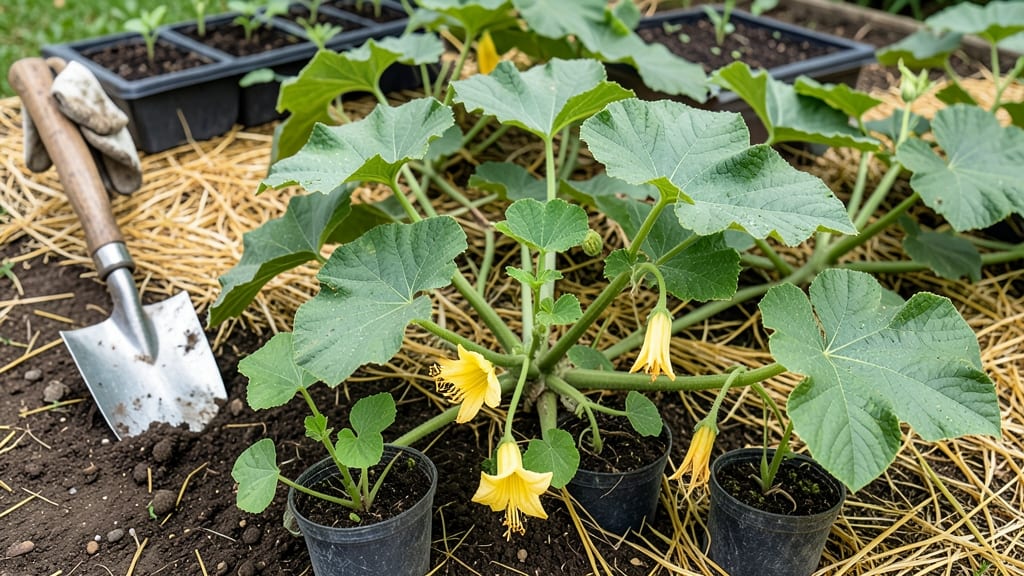
Planting pumpkins in Illinois at the wrong time can mean the difference between a thriving 🎃 harvest and wasted seeds—especially in USDA Zones 5B/6A where frost lingers until mid-April. The key to success isn't just waiting for spring; it's understanding when your soil warms enough to support those hungry vines.
Most Illinois gardeners make one of two mistakes: planting too early and risking frost damage, or waiting too long and missing the 90-day growth window before fall frost. With the right timing—typically mid-April to early June—you'll give your pumpkins the healthy start they need for a late September harvest.
I've grown pumpkins in Illinois for years, and the secret isn't complicated: wait until soil temperatures hit at least 60°F and all frost danger has passed. That means checking your local frost dates (usually around April 15) and preparing your soil with compost to speed up warming.
Ready to grow pumpkins that thrive? I'll walk you through the exact planting timeline, soil prep, and variety choices that work best in Illinois' climate—so you can enjoy those classic fall flavors without the guesswork.
Best pumpkin planting dates in Illinois by USDA zone 5B/6A
Getting the timing right for pumpkin planting in Illinois means the difference between healthy vines and frost-bitten failures. Since Illinois spans USDA Zones 5B and 6A, your exact frost-free date may vary slightly between northern and southern regions.
Most areas experience their last frost between April 15 and May 1, but always confirm with your local Almanac or extension office for precision.
Pumpkins thrive when planted after the soil warms to at least 60°F—cold soil slows germination and invites rot. In Illinois, this typically aligns with mid-April to early June, depending on your microclimate.
Northern Illinois gardeners should wait until late April or early May, while southern Illinois can start as early as mid-April if the ground is warm enough.
Here’s how to calculate your ideal planting window for Illinois:
- Check your last frost date (usually April 15 in Zone 5B, May 1 in Zone 6A).
- Add 2-4 weeks to ensure no late frosts.
- Wait until soil reaches 60°F+ (use a soil thermometer for accuracy).
- Aim for planting 1-2 weeks before your area’s peak heat to avoid bolt stress (rapid flowering due to heat).
| Stage | Action | Illinois Timeline (Zone 5B/6A) |
|---|---|---|
| Soil Prep | Test pH (6.0-6.8), add compost | March-April |
| Direct Sow | Plant seeds 1" deep, 2-3 seeds/hill | Mid-April (Zone 6A) to Early May (Zone 5B) |
| Transplant | Move seedlings (3-4 leaves) after last frost | Late April to Early June |
| Germination | Seeds sprout in 5-10 days at 60°F+ | Within 2 weeks of planting |
| First Frost Risk | Harvest before October 15 | Zone 5B: Early Oct; Zone 6A: Late Oct |
🌱 Pro Tip: Use black plastic mulch to warm soil faster in cooler areas.
For direct sowing (most common method), plant seeds 1 inch deep and 2-3 seeds per hill, spacing hills 4-6 feet apart. This gives vines room to sprawl—pumpkins need 10-20 feet of vine length to thrive!
Thin seedlings to the strongest plant per hill once they’re 2-3 inches tall to avoid competition.
If you’re transplanting seedlings, start them indoors 2-3 weeks before your last frost date. Use biodegradable pots to reduce transplant shock. Harden off seedlings by placing them outdoors for gradually longer periods over 5-7 days before planting.
Illinois’ short growing season (about 165 frost-free days) means you’ll want to choose fast-maturing varieties like ‘Howden’ (75 days) or ‘Jack Be Little’ (80 days) for Zone 5B. In Zone 6A, you can opt for slightly longer-season varieties like ‘Cinderella’ (90 days) or ‘Sugar Pie’ (95 days) for larger pumpkins.
One critical mistake Illinois gardeners make is planting too early to beat the frost. Pumpkin seeds won’t germinate in cold soil, and seedlings are extremely frost-sensitive. Always prioritize soil temperature over calendar dates—60°F is non-negotiable for successful germination.
For northern Illinois (Zone 5B), consider starting seeds indoors in late March and transplanting after the May 1 target date. In southern Illinois (Zone
Best pumpkin planting dates in Illinois by USDA zone 5B/6A
In Illinois' USDA Zones 5B/6A, timing your pumpkin planting correctly ensures healthy vines and a successful harvest. The last frost date typically falls around April 15, but soil warmth matters more than calendar dates.
Aim to plant after soil reaches 60°F—usually mid-April to early June—for optimal growth.
Northern Illinois gardeners should wait until late April or early May, while southern regions can start as early as mid-April. Direct sowing is preferred, but if using transplants, harden them off first. Pumpkins need 75-120 days to mature, so late plantings risk immature fruit before frost.
For direct sowing, drop seeds 1 inch deep and 2 feet apart in hills spaced 4-6 feet apart. This spacing accommodates 10-20 foot vines and prevents disease. Transplants should be 3-4 weeks old and hardened off before setting out.
Illinois' microclimates matter—urban areas warm faster than rural spots. Use a soil thermometer to confirm readiness. Northern Illinois gardeners should prioritize faster-maturing varieties like 'Jack Be Little' (75 days), while southern regions can try 'Howden' (110 days) for larger fruits.
Extend your season by planting succession crops every 2 weeks until mid-June. This staggered approach ensures continuous harvests through October. Always mark planting dates to track progress toward 90-day maturity.
Remember: Pumpkins need full sun (6-8 hours daily) and consistent moisture—especially during flowering. Water deeply 1-2 inches per week and mulch to retain moisture in Illinois' often dry summer months. 🎃