
Plants
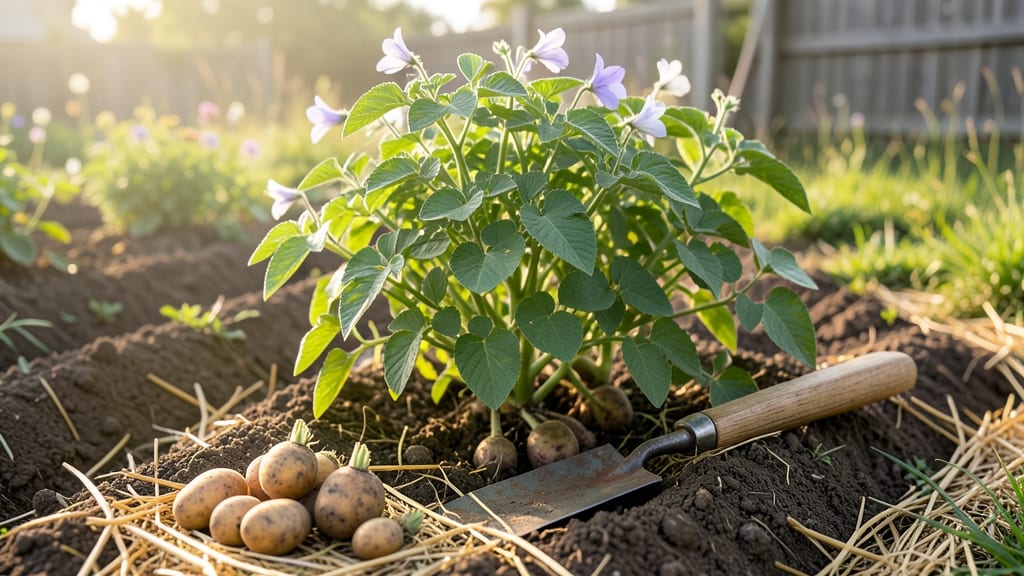
Planting potatoes in Louisiana isn’t just about tossing seed potatoes into the dirt—it’s about working with the state’s humid heat and unpredictable frost dates to stretch your harvest from spring to summer.
The key? Start early March for early varieties, but avoid rushing—soil needs to warm to 50°F+ before those spuds hit the ground.
Why does timing matter so much? Because Louisiana’s 8a-9b climate means frost can linger into February, while summer heat arrives fast. Plant too early, and your crop might rot in soggy soil; too late, and you’ll miss the 90-day window for a full harvest.
The secret? Align your planting with soil temps and variety maturity—early types like ‘Yukon Gold’ thrive in cooler months, while late varieties need September’s milder air.
I’ve tested these strategies in Louisiana gardens, and the results speak for themselves: longer harvests, fewer blight issues, and tubers that actually reach their full potential.
Whether you’re a backyard gardener or a small-scale farmer, these insights will help you dodge common pitfalls—like planting in cold, wet soil or ignoring humidity’s role in disease.
Ready to turn your 🥔 patch into a year-round potato powerhouse? Let’s break down the exact steps, from soil prep to variety selection, so you can plant with confidence and harvest like a pro.
Louisiana’s ideal potato planting timeline by region: early March to mid-April
Louisiana’s diverse climate—from the cooler hills of North Louisiana to the steamy lowlands of South Louisiana—means your potato planting window varies by 1–2 months.
Unlike northern states, we don’t have to worry about late frosts after March, but we do need to account for soil temperature thresholds (50°F+) and regional humidity.
Planting too early in North Louisiana risks frost damage, while South Louisiana gardeners can stretch harvests into late spring by starting in early February for heat-tolerant varieties.
Your best bet? Time planting with soil temperatures (not air temps) and last frost dates, which range from mid-February in New Orleans to late March in Shreveport.
For example, Yukon Gold thrives in Central Louisiana’s 60-day window (plant in early March), while Red LaSoda—better suited to South Louisiana’s heat—can go in as early as late February. Pro tip: Use a soil thermometer to confirm readiness; cold soil slows sprouting and invites rot.
Here’s the breakdown by region, including frost risk zones and ideal planting windows to maximize your harvest. The key? Succession planting—stagger varieties every 2–3 weeks to avoid a single, overwhelming harvest.
| Region | Last Frost Date | Ideal Planting Window | Soil Temp Threshold | Best Varieties | Harvest Window |
|---|---|---|---|---|---|
| North Louisiana (Shreveport, Monroe) | Late March | Mid-March to early April | 50°F+ | Kennebec, Red Pontiac | May–June |
| Central Louisiana (Baton Rouge, Lafayette) | Mid-February | Early March | 50°F+ | Yukon Gold, Purple Viking | April–May |
| South Louisiana (New Orleans, Lake Charles) | Early February | Late February–early March | 55°F+ (warmer soil) | Red LaSoda, Sweetheart | March–April |
North Louisiana gardeners should prioritize early-maturing varieties (90 days or less) to avoid summer heat stress, while South Louisiana can push the envelope with heat-tolerant types like Red LaSoda, which handles 90°F+ temps better than standard potatoes. The LSU AgCenter recommends chitting (pre-sprouting) seed potatoes 4–6 weeks before planting to jumpstart growth in our warm climate.
For container gardening—popular in urban areas like New Orleans—plant smaller varieties (e.g., Sweetheart) in 5-gallon pots filled with well-draining mix. Containers warm up faster, so you can plant 1–2 weeks earlier than in-ground.
Just ensure pots have drainage holes to prevent waterlogged roots in Louisiana’s humid air.
Soil prep is non-negotiable. Louisiana’s heavy clay soils (common in Central LA) need amendments: mix in 2–3 inches of compost and sand to improve drainage. South Louisiana’s sandy soils, meanwhile, benefit from organic matter like leaf mold to retain moisture. Aim for a pH of 5.0–6.0—test your soil with a home kit or send a sample to the LSU AgCenter for free analysis.
Pro move: Use black plastic mulch to warm soil faster and suppress weeds. Lay it down 2 weeks before planting in cooler zones (like North LA). Pair this with drip irrigation to keep soil moist without overhead watering—critical in humid Louisiana to prevent late blight, a fungal disease that thrives in damp conditions.
Timing isn’t just about the calendar—it’s about reading your microclimate. Notice how your yard drains after rain? Low spots stay soggy longer, delaying planting. Raised beds solve this by improving drainage, letting you plant 1–2 weeks earlier than in-ground.
Just avoid wooden beds (they acidify soil over time); opt for cedar or untreated lumber instead.
Final tip: Mark your planting dates on a garden calendar (or set phone reminders) to avoid missing the window. In Louisiana, April planting still yields harvests, but yields drop by 30–50% compared to March plantings. Don’t gamble with your spuds—get them in the ground when the soil is warm and ready!
Louisiana’s ideal potato planting timeline by region: early March to mid-April
Louisiana’s diverse climate means potato planting windows vary dramatically from North to South. In North Louisiana (USDA Zone 8a), where last frosts linger until mid-March, aim for early March planting of cold-tolerant varieties like ‘Kennebec’ or ‘Red LaSoda’.
Central Louisiana’s balanced climate (Zone 8b) allows late February to early April planting, while South Louisiana’s warmth (Zone 9a) extends the window to March 15–April 15 for heat-resistant types like ‘Yukon Gold’.
Soil temperature is your true guide—potatoes need 50°F+ soil to sprout. Use a soil thermometer to confirm readiness. In humid Louisiana, warm soil faster by covering beds with black plastic mulch 1–2 weeks before planting.
This trick shaves critical days off your growing season, especially in cooler regions.
🌱 Louisiana Potato Planting by Region
| Region | Best Planting Window | Soil Temp Threshold | Key Varieties | Frost Risk |
|---|---|---|---|---|
| North Louisiana | Early March–Mid-March | 50°F+ | Kennebec, Red LaSoda | High (until March 15) |
| Central Louisiana | Late February–Early April | 50°F+ | Yukon Gold, Russet | Moderate (until March 1) |
| South Louisiana | March 15–April 15 | 55°F+ (warmer soil) | Sweet Potato (heat-tolerant) | Low (rare frost) |
For container gardening, start 4–6 weeks earlier (by late January) since pots warm faster. Fill containers with lightweight potting mix amended with compost—Louisiana’s heavy clay soils can suffocate tubers. Place containers in full sun and protect from late-winter winds with burlap windbreaks.
Pro tip: Chit your seed potatoes (sprout them indoors) 4–6 weeks before planting. This 3–5 day head start ensures uniform germination in Louisiana’s unpredictable spring rains. Store potatoes in a cool, dark place (60–65°F) until planting day.
Missed the spring window? Fall planting is your backup—aim for September 1–October 15 in North Louisiana or October 15–November 1 in South Louisiana. Choose early-maturing varieties (e.g., ‘Early Rose’) to harvest before first frost (December 1 in most areas).
Always check the LSU AgCenter’s frost maps for real-time updates—Louisiana’s microclimates can shift planting zones by 10+ miles. Happy planting! 🥔