
Plants
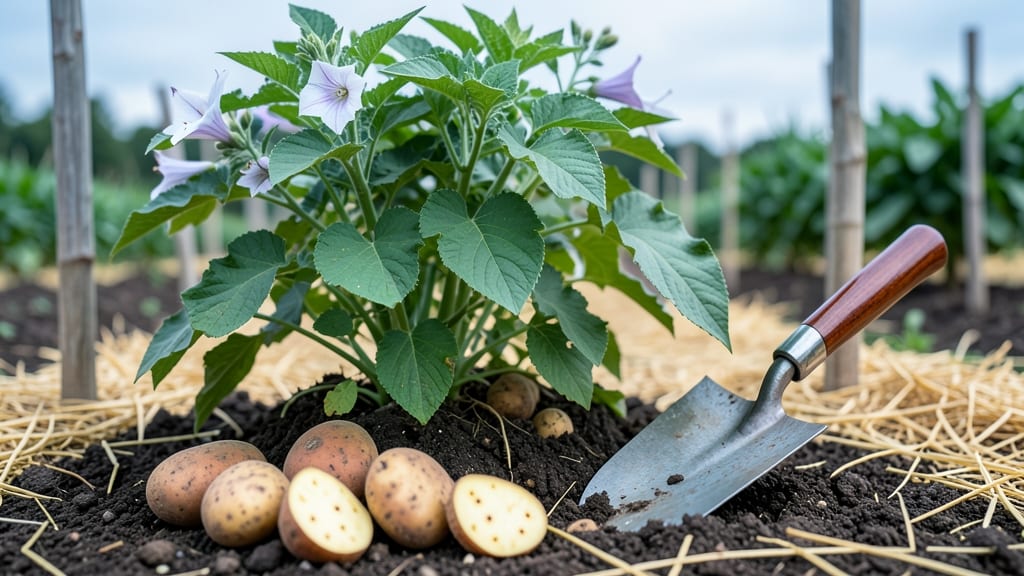
Planting potatoes in Australia at the wrong time can mean the difference between a thriving harvest and a wasted effort—because unlike other crops, these 🥔 tubers need just the right soil warmth to grow properly.
The perfect moment depends on where you live, with temperate regions like Victoria and NSW favoring spring planting, while warmer states like Queensland often start earlier or even in autumn.
I’ve learned the hard way that rushing or delaying can lead to stunted growth or disease—so timing isn’t just about the calendar, but also soil temperature and variety choice.
Whether you’re in a cool coastal area or a hot inland zone, knowing when to plant ensures your tubers develop strong roots before the heat sets in.
In this guide, I’ll break down the best planting windows by state, soil prep tips, and which potato varieties thrive in your climate. You’ll discover how to check soil warmth, avoid common mistakes, and maximize your yield—no guesswork required.
Ready to grow potatoes that actually produce? Let’s get you planting at the perfect moment for your region.
Best planting times for potatoes in Australia by state and season
Australia’s diverse climate means potato planting times vary dramatically—from cool temperate zones like Tasmania to subtropical Queensland. In most regions, spring planting (August–October) yields the best results, but autumn planting (March–May) works in cooler areas.
Let’s break it down by state to avoid common mistakes like planting too early in warm soil or missing frost windows.
For New South Wales and Victoria, aim for late winter to early spring (August–September) when soil temps hit 10–15°C. These states often experience frost risks in autumn, so avoid planting then unless using early-maturing varieties.
In Queensland and Northern NSW, cooler highland areas (like Brisbane’s hinterland) follow similar timing, while coastal zones can plant year-round with shade protection.
Western Australia growers should plant August–September in the Swan Valley and Perth Hills, where winters are mild. South Australia mirrors Victoria’s schedule but extends planting slightly later (September–October) due to drier conditions. Tasmania’s cooler maritime climate allows for autumn planting (March–April) and spring planting (September–October), ideal for longer-season varieties.
Here’s how regional microclimates affect your timing:
| State/Region | Best Planting Window | Key Considerations | Soil Temp Requirement |
|---|---|---|---|
| NSW (Coastal) | August–September | Frost risk in autumn; use early varieties | 10–15°C |
| Victoria | August–September | Cool nights; mulch to retain warmth | 8–12°C |
| Queensland (Highlands) | June–July (winter) | Avoid summer heat; use shade cloth | 12–18°C |
| WA (Perth) | August–September | Dry soil; water deeply after planting | 10–14°C |
| Tasmania | March–April (autumn) or September–October (spring) | Longer season; ideal for second crops | 7–12°C |
If you’re in a tropical zone (e.g., Northern Queensland or Northern NSW), potatoes thrive in cooler months (May–July), avoiding the wet season when fungal diseases like blight spread rapidly. For these areas, container growing with well-draining mix is ideal.
Pro tip: Use a soil thermometer to confirm readiness—potatoes need consistent warmth (not just surface heat) to form tubers. In drier regions, plant earlier (July) to establish roots before summer heat sets in. Mulching with straw helps retain moisture and regulate soil temperature.
For urban gardeners, raised beds warm up faster in spring, giving you a 2–3 week head start over in-ground planting. Just ensure your bed has good drainage—potatoes hate soggy soil! In cooler inland areas (e.g., Albury-Wodonga), wait until late September to avoid frost damage to emerging shoots.
Remember: Early varieties (e.g., Rocket) mature in 70–80 days, while maincrop types (e.g., Kennebec) take 100+ days
How to determine the perfect soil temperature for planting potatoes
Potatoes thrive when planted in warm soil, but not too hot. The ideal soil temperature for planting ranges between 5°C and 10°C. Below this, tubers struggle to form, and above 15°C, disease risks like blight increase.
In Australia, this means waiting until late spring or early autumn, depending on your state.
Cold soil delays germination and weakens plant growth. If you plant too early, your potatoes may rot in the ground or produce stunted yields. Conversely, planting in overheated soil can stress plants and attract pests. Always check soil warmth before planting—it’s the secret to a successful harvest.
🌱 Key Soil Temperature Guidelines for Potatoes
| Condition | Ideal Range | Risk if Ignored |
|---|---|---|
| Planting Temp | 5°C–10°C | Slow growth, poor tuber formation |
| Optimal Growth | 10°C–20°C | Healthy foliage, strong yields |
| Danger Zone | Above 25°C | Blight, rot, and pest outbreaks |
To test your soil temperature, use a soil thermometer (available at garden centers for under $10). Insert it 5–10cm deep in the ground where you plan to plant. If the reading is below 5°C, wait a few weeks—potatoes won’t tolerate cold soil.
In temperate zones like Victoria or Tasmania, aim for September to October for spring planting.
In warmer climates like Queensland or northern New South Wales, soil heats up faster. Here, focus on autumn planting (March–April) to avoid summer heat stress. Mulching with straw or grass clippings can help regulate soil temperature and keep roots cool during hot spells.
Another pro tip: Plant seed potatoes in a warm, sheltered spot first to encourage early sprouting. Once shoots are 2–3cm tall and soil warms up, transplant them into the garden. This two-step method gives your potatoes a head start and reduces the risk of frost damage.
If you’re unsure about your local soil temperature trends, check your region’s Bureau of Meteorology data or ask at your nearest agricultural extension office. They can provide historical soil temperature records tailored to your area. With the right timing, you’ll be harvesting golden, disease-free potatoes in no time!
Remember, soil temperature isn’t just about the calendar—it’s about giving your potatoes the perfect start. A little patience now means a bigger, healthier harvest later. Happy planting! 🌱