
Plants
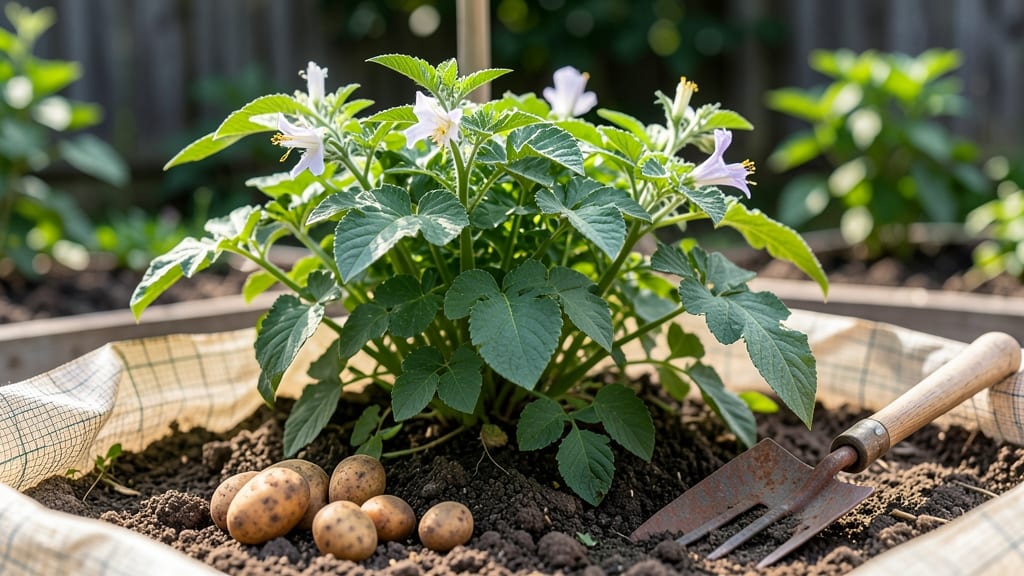
Planting potatoes in Arkansas isn't just about grabbing a bag of seed potatoes—it's about timing them perfectly to avoid frost damage and maximize your harvest. With USDA zones 7a-8a and unpredictable spring weather, knowing the right window can mean the difference between a thriving crop and wasted effort.
Most Arkansas gardeners start planting 🥔 as early as February for hardy varieties, but waiting until April is safer for late-season types. The key is soil temperatures hitting at least 45°F, which typically aligns with the last frost date around mid-March—but don't bet on it.
Late frosts can still sneak in, especially in the northern parts of the state.
In this guide, I'll break down the exact planting windows for your zone, soil temperature tricks, and how to adjust for Arkansas's quirky weather. Whether you're a first-time grower or a seasoned gardener, these insights will help you plan for a bumper crop.
Ready to dig in? Let's get those potatoes in the ground at the perfect moment—no more guessing, just growing. The harvest season starts with the right timing, and I've got all the details to set you up for success.
Arkansas potato planting dates by hardiness zone (soil temp & frost deadlines)
Arkansas’s USDA Zones 6a-8a create unique challenges for potato growers. Unlike cooler climates, Arkansas’s late frosts (often until mid-March) and hot summers demand precise timing. Plant too early, and frost will kill tender sprouts; too late, and you’ll miss the 90-day harvest window before summer heat stresses plants.
Let’s break down the ideal planting windows for each zone.
Most Arkansas gardeners focus on spring planting (February–May), but fall planting is possible in Zone 8a for late-season varieties. The key is soil temperature: potatoes thrive when soil reaches 45–50°F.
Use a soil thermometer to confirm—cold soil delays sprouting, while warm soil (above 60°F) can stress plants. In Arkansas, this typically aligns with late February to early April for most regions.
Here’s a zone-by-zone breakdown of planting dates, soil temp targets, and last frost deadlines to maximize your potato yield:
| Zone | Ideal Planting Window | Soil Temp Threshold | Last Frost Date | Notes |
|---|---|---|---|---|
| 6a (North AR) | Late February–Early April | 45–50°F | March 15–April 1 | Use row covers for early plantings. |
| 7a (Central AR) | Early March–Mid-April | 45–50°F | March 1–March 15 | Best for early varieties (60–90 days). |
| 7b (South AR) | Mid-March–Early April | 48–52°F | February 28–March 10 | Avoid planting before soil warms. |
| 8a (Southeast AR) | Late February–Mid-April or September | 50–55°F | February 15–March 1 | Fall planting possible for late varieties. |
For Zone 6a gardeners in northern Arkansas (e.g., Fayetteville, Rogers), aim for late February plantings of early varieties like Red Pontiac or Yukon Gold. These mature in 60–90 days, ensuring harvest before summer heat sets in.
In Zone 8a (e.g., Little Rock, El Dorado), you can push the envelope with September plantings for a fall harvest, but prioritize disease-resistant varieties like Kennebec to combat Arkansas’s humid summers.
Pro tip: Arkansas’s unpredictable spring weather means even the best-laid plans can go awry. If frost threatens after planting, cover rows with lightweight row fabric or old blankets. Remove covers during the day to prevent overheating.
For late plantings (after April 15), opt for shorter-day varieties like Red LaSoda to avoid bolting (premature flowering) in Arkansas’s long summer days.
Remember, soil preparation is just as critical as timing. Arkansas’s clay-heavy soils in many regions benefit from amending with compost or
Arkansas potato planting dates by hardiness zone (soil temp & frost deadlines)
Arkansas spans USDA zones 6a-8a, meaning your last frost date can vary from late February in zone 8a to early April in zone 6a. For potatoes, this creates a 4-6 week window to plant seed potatoes before the soil warms too much.
The key is waiting until soil temperatures hit 45-50°F—cold soil slows sprouting and invites rot.
Most Arkansas gardeners aim for late February to early March for early varieties, but mid-April to May works better for late-season keepers. The first frost risk drops after March 15 in southern Arkansas, while northern regions should wait until April 1 to be safe.
Planting too early risks frost damage to tender sprouts.
| Zone | Last Frost Date | Ideal Planting Window | Soil Temp Threshold | Early Variety Notes |
|---|---|---|---|---|
| 6a (North AR) | April 1 | April 15-May 1 | 45-50°F | Use cold-hardy varieties like Kennebec or Red LaSoda. |
| 7a (Central AR) | March 15 | March 15-April 15 | 45-50°F | Best for Yukon Gold and Red Norland. |
| 8a (South AR) | February 28 | February 15-March 15 | 50-55°F | Early New Potatoes thrive here. |
For staggered planting, Arkansas gardeners often make two batches: one in early March for early harvests (June) and another in mid-April for fall storage. This extends your harvest window by 2-3 months.
Use black plastic mulch to warm soil faster in cooler zones, or plant in raised beds for better drainage.
Pro tip: Test soil temperature with a soil thermometer—wait until it consistently reads 50°F at 4" depth. In zone 6a, this can mean waiting until mid-April even if frost risk drops earlier. Warm soil speeds sprouting and reduces disease pressure from cold, wet conditions.
If you’re in zone 8a, you can even try a fall planting in August for a late harvest before the first frost. Choose early-maturing varieties like Red Pontiac (60 days) to avoid tubers sprouting before winter. Just be prepared to harvest before frost or use row covers for protection.
Remember: Arkansas’s humidity and heat can stress potatoes after May. Plant late varieties by June 1 at the latest to avoid scab disease and ensure tubers mature before summer’s peak. Mulch heavily with straw or grass clippings to retain moisture and regulate soil temperature.