
Plants
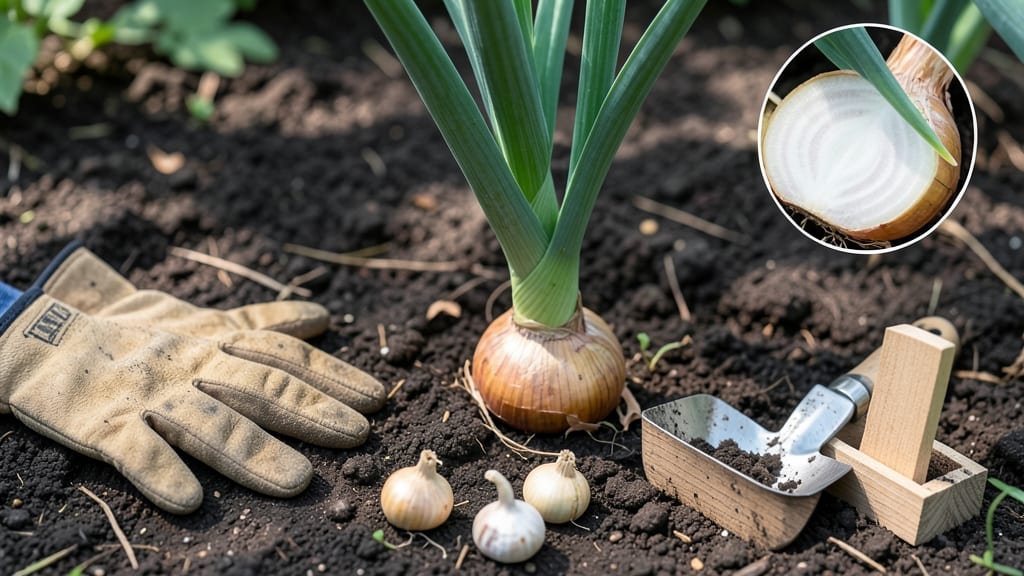
Planting onions in Missouri isn’t just about tossing seeds in the dirt—it’s about mastering the perfect timing to avoid bolting or frost damage. With USDA zones 5b-6b and unpredictable spring weather, knowing whether to plant in March-April or August-September can make or break your harvest.
I’ve grown onions here for years, and the difference between a thriving crop and a failed one often comes down to these two critical windows.
Missouri gardeners face unique challenges: early frosts can wipe out seedlings, while late springs might push onions to bolt before forming bulbs. The key is planting 4-6 weeks before your last frost date—typically by mid-March—or in early fall for overwintering varieties.
But there’s more to it than dates: soil prep, variety selection, and even mulching play huge roles in success. Let me break down exactly how to time it right for your location, whether you’re in St. Louis, Kansas City, or rural farmland.
You might assume all onions are created equal, but Missouri’s climate demands specific strategies. Spring-planted onions need cool soil to prevent bolting, while fall varieties rely on winter chilling for sweetness. I’ll walk you through the best methods—sets, seeds, or transplants—and how to adjust for your local frost patterns.
By the end, you’ll know not just when to plant, but how to set your onions up for the biggest, sweetest bulbs possible.
Ready to grow onions that rival the grocery store—or better? The secret starts with timing, and I’ve got the Missouri-specific tips to turn your garden into a 🧅 powerhouse. Let’s get those onions in the ground the right way.
Missouri onion planting calendar: exact spring vs. fall dates for bulb success
Missouri’s USDA zones 5b-6b create unique challenges for onion growers. The key to success lies in planting at the right time—whether you’re aiming for spring harvests or fall-planted bulbs that mature the following year.
Get the timing wrong, and you’ll face bolting (premature flowering) or frost damage that ruins your crop.
For most of Missouri, including St. Louis, Kansas City, and Columbia, the ideal planting windows are March-April for spring and August-September for fall. However, these dates shift slightly based on your exact location and microclimate. Let’s break it down by season so you can plant with confidence.
🌱 Did You Know? Onions planted in fall often produce larger bulbs because they experience Missouri’s cooler winter temperatures, which slows growth and prevents bolting. This is why many gardeners double their efforts with both spring and fall plantings!
| Planting Window | Best For | Soil Temp Threshold | Missouri Regions |
|---|---|---|---|
| March 15 - April 15 | Spring harvest (June-July) | 45°F+ (consistent) | Northern MO (Kansas City, St. Joseph) |
| April 1 - April 30 | Spring harvest (July-August) | 50°F+ (consistent) | Central MO (Columbia, Jefferson City) |
| August 15 - September 15 | Fall harvest (next spring) | 60°F+ (soil) | Southern MO (Springfield, Poplar Bluff) |
| September 1 - October 1 | Overwintering bulbs | 55°F+ (soil) | All regions (hardier varieties) |
🌡️ Pro Tip: Use a soil thermometer to confirm temperatures before planting—onions need consistent warmth to thrive.
Spring planting in Missouri starts 4-6 weeks before your last frost date. For most areas, this lands in mid-March to mid-April. If you’re in northern Missouri (like Kansas City), aim for the earlier end of this window to avoid bolting.
In southern Missouri (Springfield area), you can push planting slightly later into April.
For fall plantings, the goal is to establish roots before winter sets in. Plant August-September so onions have time to grow but won’t mature before the first frost.
In St. Louis, where frosts can be unpredictable, consider using cold-hardy varieties like ‘Yellow Sweet Spanish’ or ‘Red Baron’ for fall success.
Missouri’s clay-heavy soils can delay warming in spring, so don’t rush to plant. Wait until soil temperatures consistently reach 45°F+ for spring sets or 60°F+ for fall plantings. You can speed up warming by using black plastic mulch or planting in raised beds—both tactics work well in Missouri’s climate.
One common mistake Missouri gardeners make is planting seeds instead of sets for spring harvests. Seeds take longer to germinate and are more likely to bolt in Missouri’s warm springs.
Instead, opt for onion sets (small bulbs) or transplants for faster, more reliable results. For fall plantings, sets are your best bet—they establish quickly before winter.
If you’re unsure about your local frost dates, check the Missouri State Climatologist’s office or use a frost calendar for your specific county. For example, Columbia typically sees its last frost around April 15, while Kansas City can experience frost as late as May 1.
Adjust your planting dates accordingly to avoid frost damage to young seedlings.
💡 Key Insight: Missouri’s short
How to prepare Missouri soil for onion planting: 3 critical steps to maximize yield
Missouri’s clay-heavy soils can be a double-edged sword for onions—they retain moisture well but often compact, stunting root growth. The key to success lies in preparing your soil 4–6 weeks before planting, whether for spring or fall.
Onions thrive in loose, well-draining soil with a pH between 6.0 and 7.0, so let’s break down the three critical steps to create the perfect growing conditions.
First, test your soil’s pH and nutrient levels using a home test kit or send a sample to your local Missouri Extension office. Onions are sensitive to alkaline soils, which can lead to poor bulb formation.
If your soil tests above 7.0, amend it with elemental sulfur (apply 1–2 pounds per 100 square feet and water thoroughly). For acidic soil (below 6.0), add lime sparingly to raise the pH gradually.
🌱 3 Critical Soil Prep Steps for Onions in Missouri
- Test soil pH (aim for 6.0–7.0)
- Add compost (2–3 inches) for organic matter
- Improve drainage with sand or perlite if clay-heavy
Next, focus on improving drainage and adding organic matter. Missouri’s clay soils can become waterlogged, especially after heavy rains, which rots onion bulbs. Mix in 2–3 inches of compost or well-rotted manure into the top 12 inches of soil to loosen the texture.
For areas with poor drainage, incorporate coarse sand or perlite (about 10% by volume) to create air pockets. This step is non-negotiable if your garden sits in a low-lying area.
Don’t overlook mulching, which is especially important in Missouri’s hot summers and cold winters. Apply a 2–3 inch layer of straw or shredded leaves after planting to retain moisture, suppress weeds, and protect bulbs from temperature fluctuations.
Mulch also prevents soil-borne diseases by keeping the neck of the onion dry. For fall plantings, add mulch before the first frost to insulate the soil and encourage overwintering.
Finally, consider raising beds if your native soil is particularly dense. Elevated beds warm up faster in spring, giving onions a head start before bolting. Fill raised beds with a mix of topsoil, compost, and sand (50% topsoil, 30% compost, 20% sand) for ideal growing conditions.
This method also reduces the risk of soil-borne diseases like onion rot, a common issue in Missouri’s humid climate.
With these three soil prep steps, your Missouri onion patch will have the loose, fertile, and well-draining conditions it needs to thrive. Remember, onions are light feeders, so focus on soil quality over heavy fertilization.
A well-prepared bed sets the stage for plump, disease-free bulbs—whether you’re planting in spring or fall.