
Plants
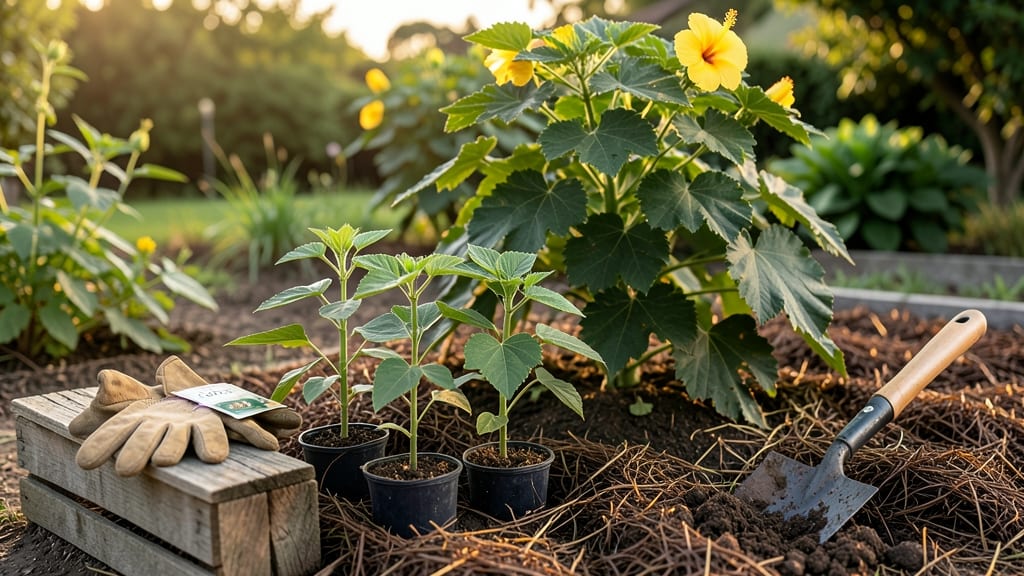
Planting okra in Oklahoma isn’t just about timing—it’s about catching that sweet spot between frost and scorching heat to unlock juicy, tender pods instead of tough, bitter ones.
If you’ve ever watched your okra 🌱 bolt in the heat or wilt from late frosts, you know how quickly things can go wrong.
Most Oklahoma gardeners wait until after the last frost (around April 15), but rushing it can leave your plants vulnerable. The key is planting when soil temperatures hit at least 60°F, which typically aligns with late April to mid-June in zones 6b-7a.
This window ensures your okra gets a head start before the real summer heat kicks in.
Whether you’re starting seeds indoors or sowing directly, understanding your microclimate makes all the difference. Northern Oklahoma’s cooler springs may need a later start, while southern regions can push planting into early June. I’ll break down the exact dates—and the mistakes to avoid—that keep your harvest thriving.
Ready to grow okra that’s tender, plentiful, and ready by July? Let’s dive into the schedule that turns Oklahoma’s long growing season into your okra-growing advantage.
Optimal planting dates for okra in Oklahoma’s climate zones
Oklahoma’s diverse climate—from the cooler northern regions to the intense southern heat—means planting okra at the wrong time can spell disaster for your harvest. The key is aligning your schedule with soil temperatures, last frost dates, and your specific USDA zone (6b-7a).
Okra thrives in heat but wilts if planted too early, so let’s break down the perfect windows for each region.
For Northern Oklahoma (zones 6b-7a), aim to plant okra after May 1st when nighttime temperatures consistently stay above 55°F. This delay avoids late spring frosts that can kill young seedlings.
Meanwhile, Central Oklahoma gardeners can start as early as April 15th if the soil is warm enough, while Southern Oklahoma can push planting to mid-March in sheltered microclimates.
Here’s the critical rule: Wait until soil temperatures reach 60°F—use a soil thermometer to check. Cold soil slows germination, leading to weak plants. In Oklahoma, this typically aligns with late April to early June, depending on your location.
Pro tip: If you’re in doubt, plant a test row a week earlier to gauge soil warmth.
| Region | Last Frost Date | Ideal Planting Window | Soil Temp Requirement | Harvest Window |
|---|---|---|---|---|
| Northern OK (6b) | April 15 | May 1 - June 1 | 60°F+ | July - September |
| Central OK (7a) | March 25 | April 15 - May 15 | 60°F+ | June - October |
| Southern OK (7a) | March 10 | March 20 - June 1 | 60°F+ | May - November |
If you’re eager to start early, consider direct sowing seeds in biodegradable pots to harden off plants before transplanting. This method gives you a 2-week head start compared to traditional seed-starting indoors. Just be ready to protect seedlings with row covers if a late frost sneaks in—Oklahoma’s weather is unpredictable!
For extended harvests, Oklahoma gardeners can make two plantings: one in early May and another in early July. The July planting will produce pods through October’s first frost, giving you a 3-month harvest window.
This strategy works especially well in Southern Oklahoma, where the growing season stretches longer.
One common mistake is ignoring microclimates in your yard. A south-facing slope warms up faster than a low-lying area, so plant heat-loving okra in those spots first. Use a shade cloth (30-50%) for the first week after transplanting to reduce stress from Oklahoma’s intense summer sun.
This simple step can boost survival rates by 30%.
Remember, okra is a fast grower—it can reach harvest size in just 50-60 days under ideal conditions. By aligning your planting with Oklahoma’s heat patterns, you’ll avoid the bitter, fibrous pods that result from slow growth.
Start your calendar now and mark those soil temperature check dates—your okra harvest is waiting!
How to time okra planting for maximum heat tolerance
Okra thrives in Oklahoma’s 90°F+ heat, but young plants need protection from sudden heat spikes. Start planting after your region’s last frost date—typically mid-April in southern Oklahoma and late April in northern zones. This ensures soil stays above 60°F, the minimum for germination.
For direct sowing, wait until soil reaches 70°F+—use a soil thermometer to check. In northern Oklahoma, this often means delaying until late May to avoid early-season heat stress. Southern regions can start as early as mid-April with proper mulching.
🌡️ Numbered Highlights for Heat Timing
- 1. Soil Temp Check: Plant only when soil is 60°F+ (use a thermometer).
- 2. Shade Cloth: Use 30-50% shade cloth for seedlings until hardened off.
- 3. Transplant Timing: Move seedlings outdoors after dark to reduce shock.
- 4. Mulch Matters: Apply 2-3 inches of mulch to retain moisture and cool roots.
- 5. Heat Waves: If temps hit 100°F+, provide afternoon shade to prevent bolting.
Transplanting okra seedlings is another strategy for heat tolerance. Start seeds indoors 2-3 weeks before your last frost, then move them outside when nighttime temps stay above 55°F. Harden off seedlings gradually by exposing them to 2-3 hours of sunlight daily over 7-10 days.
Oklahoma’s summer heat can cause okra to bolt prematurely if planted too early. Aim for a mid-June harvest by starting seeds in late April (southern OK) or early May (northern OK). This aligns with peak heat while ensuring pods mature before first frost in November.
Adjust your planting schedule based on your harvest goals. For early summer harvests, plant in May and use shade cloth. For late-season harvests, sow seeds in early July to extend your growing window until October.
Monitor your okra’s pod development closely. If pods turn bitter or woody, it’s a sign of heat stress or over-maturity. Harvest pods when they’re 3-4 inches long for the best texture and flavor.