
Plants
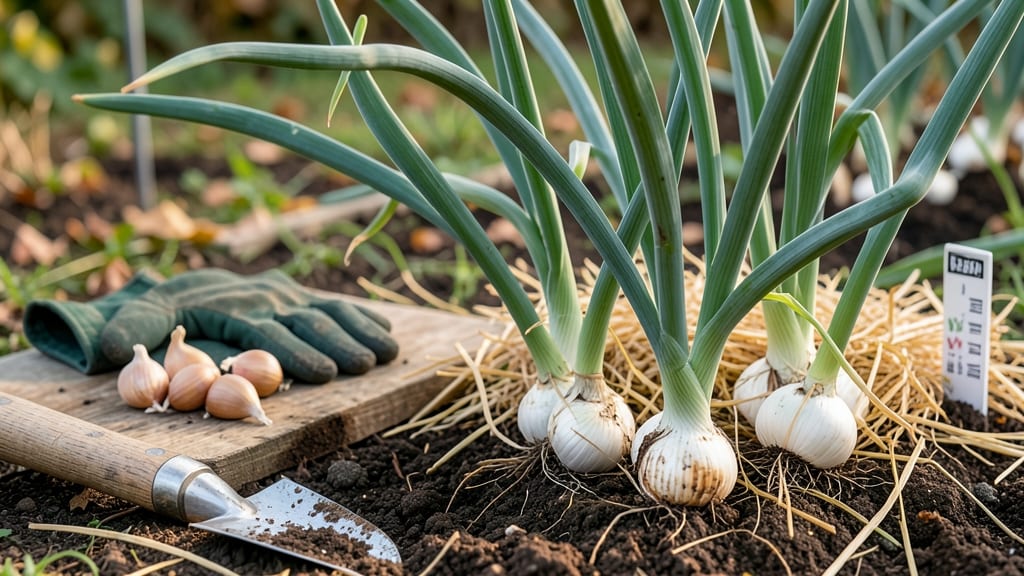
If you're wondering when to plant garlic in Wisconsin, the answer isn't just about the calendar—it's about catching that narrow window between crisp fall air and the first hard frost. 🧄 Plant too early, and your cloves might rot; too late, and you'll miss the chance for strong bulb development before winter sets in.
Wisconsin's 4a-6b zones give gardeners a 6-week window from mid-October to late November to get garlic in the ground. This timing lets the cloves establish roots before the soil freezes, setting the stage for next summer's harvest.
Hardneck varieties, like 'Silverskin' or 'Artichoke,' thrive in Wisconsin's cold winters, but even they need that early start.
What makes this timing so critical? Garlic grows best when it experiences cold stratification—a natural winter chilling period that triggers bulb formation. Skip this step, and you'll end up with weak, underdeveloped bulbs.
The key is planting 4-6 weeks before the ground freezes, giving your garlic just enough time to root before winter dormancy begins.
In this guide, I'll walk you through the exact steps to plant garlic in Wisconsin, from soil prep to mulching for winter protection.
Whether you're a first-time gardener or a seasoned pro, these tips will help you grow garlic that's plump, flavorful, and ready by mid-summer—just in time for your favorite recipes.
Wisconsin garlic planting timeline: hardneck vs softneck differences
Wisconsin's cool winters and short growing season make fall planting the gold standard for garlic. But not all garlic is created equal—hardneck and softneck varieties have different timing needs.
Hardnecks, like 'German White' or 'Chesnok Red', thrive in Wisconsin's climate, while softnecks ('Silverskin') can struggle with our harsh winters. Let's break down the best times to plant each for a bountiful harvest.
For hardneck garlic, aim to plant 4-6 weeks before the ground freezes. In most of Wisconsin, this means mid-October to early November. Southern Wisconsin (zones 5-6) can push planting to late November, while northern areas (zones 3-4) should plant by mid-October.
Hardnecks need cold vernalization to form bulbs, so this timing is critical for large, flavorful cloves.
Softneck garlic, like 'California Early', is less cold-hardy and should be planted earlier in the season—late September to early October. These varieties can tolerate slightly warmer soil temps, but they still need to establish roots before winter.
If you're experimenting with softnecks, consider spring planting (March-April) as an alternative, though yields may be smaller.
| Variety Type | Best Planting Window | Wisconsin Zones | Cold Hardiness | Bulb Maturity |
|---|---|---|---|---|
| Hardneck (e.g., 'German White') | Mid-October to early November | 3-6 | Excellent (-20°F+) | Late July-August |
| Softneck (e.g., 'Silverskin') | Late September-early October | 5-6 (risky in 3-4) | Moderate (-10°F) | Early August-September |
🌱 Note: Hardnecks produce scape (flower stalks) in summer—harvest these for extra flavor!
Soil temperature is another critical factor. Garlic cloves need soil temps below 40°F to trigger dormancy. In Wisconsin, this usually happens by mid-October. Use a soil thermometer to confirm—planting too late can result in rot or poor bulb formation. If temps stay warm, delay planting until conditions cool.
Don't overlook moon planting phases, a trick many Wisconsin gardeners swear by. Planting during the waning moon (after the full moon) is said to encourage root growth. For hardnecks, this often aligns with late October, while softnecks benefit from the waning gibbous phase in early October.
It’s a subtle tweak, but it can make a difference in bulb size.
If you miss the fall window, don't despair—spring planting is possible, though yields may be 30-50% smaller. Plant cloves in March or early April, about 2 inches deep, and harvest by late July.
This method works best for softneck varieties or in protected microclimates like greenhouses.
Wisconsin's unpredictable weather can throw off even the best-laid plans. If an early frost hits before planting, cover cloves with straw mulch (4-6 inches thick) to insulate them.
Conversely, if warm spells linger into November, hold off planting until soil temps drop. Flexibility is key—adjust your schedule based on real-time conditions, not just calendar dates.
Pro tip: Mark your planting dates on a garden calendar or use a planting reminder app. Include notes on soil temps, moon phases, and weather forecasts to track what works best in your specific Wisconsin location.
Over time, you’ll refine your timing for perfectly sized bulbs every year.
Remember, hardneck garlic is the star of Wisconsin gardens—it’s cold-hardy, productive, and packed with flavor. By planting at the right time, you’ll set the stage for a harvest that rivals store-bought (and tastes better too!). 🧄
Wisconsin garlic planting timeline: hardneck vs softneck differences
Wisconsin’s cold winters and variable frost dates make garlic planting a critical decision. Unlike warmer climates, Wisconsin gardeners must choose between hardneck and softneck varieties—and plant them at precise times—to ensure robust bulbs.
Hardneck garlic, the best choice for Wisconsin, thrives in cold winters and produces scapes (edible stems) in summer. Softneck, while milder, struggles with Wisconsin’s harsh winters and is less common here.
Timing your garlic planting depends on frost dates and soil temperatures. In Wisconsin, the ideal window is 4-6 weeks before the ground freezes, typically mid-October to early November in most regions.
Planting too early risks rot, while planting too late may result in weak growth before winter sets in. For USDA zones 4a-5b (common across Wisconsin), this timing ensures garlic establishes roots before dormancy.
| Type | Best Planting Window | Key Feature | Wisconsin Adaptability |
|---|---|---|---|
| Hardneck | Mid-October to early November | Produces scapes; cold-hardy | Excellent (zones 4a-6b) |
| Softneck | Late September to early October | Longer storage life; milder | Poor (zones 5b-6b only) |
Hardneck varieties like 'German Red' or 'Music' are Wisconsin staples because they require cold vernalization (a period of cold) to form bulbs. Planting them in October ensures they experience enough chill before winter.
Softneck varieties, such as 'California Early', are less common in Wisconsin but can be planted earlier in the fall if you’re in zone 6b or warmer southern regions.
Soil temperature is another critical factor. Garlic cloves need soil temps between 40°F and 50°F to sprout successfully. In Wisconsin, this typically aligns with late September to early November, depending on your location.
Use a soil thermometer to confirm—if temps drop below 40°F, delay planting until conditions improve.
Northern Wisconsin (zones 4a-4b) has earlier frost dates, so aim for planting by mid-October. Southern Wisconsin (zones 5a-6b) can plant slightly later, up to early November.
Always check your local frost dates—the Wisconsin State Climatology Office provides reliable forecasts. A general rule: plant garlic when day temps hover around 60°F and nights dip into the 40s°F.
Why does timing matter so much? Garlic bulbs develop over 8-10 months, starting from the moment you plant the clove. Planting too early can lead to premature sprouting and rot, while planting too late may result in small, weak bulbs that struggle to mature before harvest.
In Wisconsin, fall-planted garlic typically harvests in mid-July to August, just as summer heat ramps up—perfect for avoiding bolting (premature flowering).
For gardeners in Wisconsin’s high-altitude areas (like the Northwoods), consider earlier planting by late September to account for colder soils. If you miss the fall window, you can try spring planting (March-April), but bulbs will be smaller and less flavorful.
This method is a last resort for Wisconsin gardeners.