
Plants
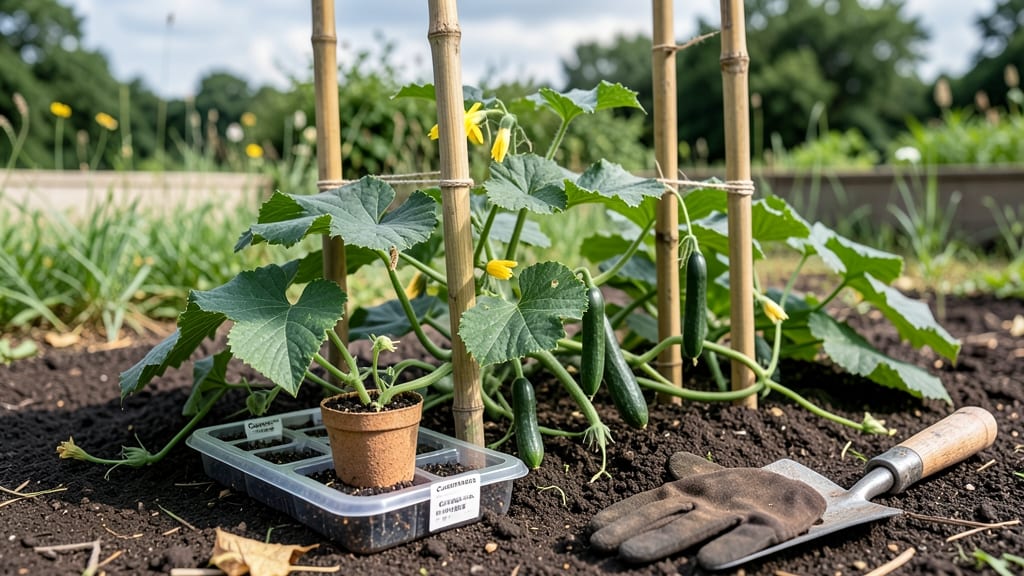
Planting cucumbers in Oklahoma isn’t just about tossing seeds into the dirt—it’s about timing everything perfectly to beat the state’s unpredictable swings from frost to scorching heat. Miss the window, and you’ll either lose your crop to late frosts or watch your vines wilt before harvest.
The key? Starting after your last frost date, when soil temperatures hit at least 60°F, ensures strong germination and a bountiful 🥒 harvest.
For most of Oklahoma—especially USDA Zones 7a and 7b—your best bet is to plant between April 15 and May 30, once the ground warms up. But here’s the catch: Northern Oklahoma (like Zone 7a) might need to wait until late April, while Southern areas (Zone 7b) can start earlier.
Whether you’re direct-sowing or transplanting seedlings, getting this right means the difference between a garden full of cucumbers and one full of frustrated gardener sighs.
What if you’re in a container or urban space with limited room? No problem—just adjust your timing slightly and choose compact varieties. The goal is the same: warm soil, consistent moisture, and enough sunlight to fuel those vines.
I’ll walk you through the exact steps to nail your planting schedule, so you can enjoy fresh cucumbers from June through September without the guesswork.
Ready to turn your Oklahoma garden into a cucumber powerhouse? Let’s break down the frost-free timeline, soil prep secrets, and pro tips to keep your plants thriving—no matter where you are in the state. Your first crisp, homegrown 🥒 is just a few weeks away!
Oklahoma cucumber planting calendar: exact dates for zones 7a and 7b
Cucumbers thrive in Oklahoma’s warm climate, but timing is critical to avoid frost damage or heat stress. In USDA Zone 7a (northern Oklahoma), the last frost typically occurs around April 15, while Zone 7b (southern Oklahoma) sees frost-free conditions by April 1-10.
Always check your local National Weather Service for precise frost dates—your county may vary by 1-2 weeks!
For successful germination, cucumbers need soil temperatures above 60°F and air temperatures above 70°F. In Oklahoma, this usually aligns with late April to early May, but cooler springs (like 2022) may push planting to mid-May.
Use a soil thermometer to confirm readiness—cold soil delays growth and increases disease risk.
Here’s how to align your planting with Oklahoma’s climate zones for maximum yield:
| Zone & Region | Last Frost Date | Ideal Planting Window | Soil Temp Threshold | Harvest Window |
|---|---|---|---|---|
| Zone 7a (North OK: Tulsa, Oklahoma City) | April 15–20 | April 25–May 10 | 60°F+ | June–September |
| Zone 7b (South OK: Lawton, Ardmore) | April 1–10 | April 15–May 5 | 60°F+ | May–October |
| Urban Areas (Oklahoma City, Tulsa) | April 10–15 | April 20–May 5 | 60°F+ | June–September |
📅 Pro Tip: Use black plastic mulch 2–3 weeks before planting to warm soil faster in cooler zones.
Oklahoma’s short growing season (180–220 frost-free days) demands efficiency. Plant early-maturing varieties (e.g., ‘Straight Eight’ or ‘Marketmore 76’) in Zone 7a to harvest before summer heat peaks.
In Zone 7b, you can stretch the season with succession planting—sow seeds every 2 weeks from April to June for continuous harvests.
Direct-sowing cucumbers is easiest in Oklahoma, but transplants (purchased from nurseries) give you a 2-week head start. If starting indoors, begin seeds 4–6 weeks before your last frost date under grow lights (cucumbers need 12+ hours of light daily).
Harden off seedlings for 7–10 days before transplanting to avoid shock.
Container gardening is ideal for urban Oklahoma gardeners with limited space. Use 5-gallon pots or larger, ensuring they have drainage holes and support trellises (cucumbers grow 6–10 feet if unchecked!). Plant bush varieties like ‘Bush Champion’ for compact growth—perfect for patios or balconies.
Watch for false starts: Oklahoma’s April showers can drop soil temps below 60°F overnight. Use row covers or greenhouses to protect seedlings if frost threatens. Remove covers once plants are 2–3 inches tall to prevent overheating.
For late plantings (after May 15), choose heat-tolerant varieties like ‘Lemon Cucumber’ or ‘Armenian’ to thrive in 90°F+ temperatures.
Mark your calendar for June 1—this is the peak harvest window in most of Oklahoma. By late summer, powdery mildew and cucumber beetles become major threats. Rotate crops yearly to prevent soil-borne diseases, and interplant with nasturtiums to deter pests naturally.
🌱 Key Takeaway: Oklahoma’s Zone 7a/7b gardeners should plant cucumbers after April 15 (Zone 7a) or April 1 (Zone 7b), with soil at 60°F+. Use trellises, mulch, and succession planting to maximize your June–September harvest—and avoid the pitfalls of planting too early or too late!
How to extend your cucumber season in Oklahoma’s heat and humidity
Oklahoma’s summer heat and high humidity can turn cucumber vines into wilted messes if you don’t adapt. But with the right strategies, you can harvest cucumbers from early June through September—or even longer!
The key is heat management, moisture retention, and smart planting schedules tailored to Zone 7a/7b’s climate quirks.
Start by choosing heat-tolerant varieties like ‘Straight Eight,’ ‘Lemon Cucumber,’ or ‘Armenian’ types. These varieties thrive in 90°F+ temperatures and resist powdery mildew, a common Oklahoma summer scourge.
Pair them with shade cloth (30-50%) during peak afternoon heat (12 PM–4 PM) to protect young plants while still allowing 6+ hours of morning sun for energy production.
Mulching is non-negotiable in Oklahoma’s clay-heavy soils. Apply 3–4 inches of organic mulch (straw, shredded leaves, or pine bark) immediately after planting. This keeps soil temps consistently 5–10°F cooler and slashes watering needs by up to 40%. For container gardens, use self-watering pots with 1–2 inches of mulch on top to prevent evaporation.
Don’t let humidity-fueled diseases like powdery mildew or downy mildew ruin your crop. Prune lower leaves regularly to improve airflow, and spray plants with a baking soda solution (1 tsp baking soda + 1 quart water + few drops of dish soap) every 10–14 days as a preventative.
For severe outbreaks, switch to neem oil (apply at dusk to avoid burning leaves).
To extend harvests into late summer, try succession planting every 2 weeks from April 15 through June 1. This ensures a steady supply of cucumbers when older plants start struggling in 95°F+ heat.
For a fall harvest, plant heat-tolerant varieties like ‘Marketmore 76’ in late July—they’ll thrive in the cooler September temps before the first frost.
Finally, water wisely. Cucumbers need 1–2 inches of water weekly, but morning watering (before 10 AM) prevents fungal diseases that thrive in damp evening air. In extreme heat (above 95°F), increase frequency to every other day and water deeply to encourage deep root growth.
Use drip irrigation to keep foliage dry and reduce disease risk.
With these adjustments, you’ll beat Oklahoma’s summer challenges and enjoy homegrown cucumbers from June through September—or even longer with smart planning! 🥒☀️