
Plants
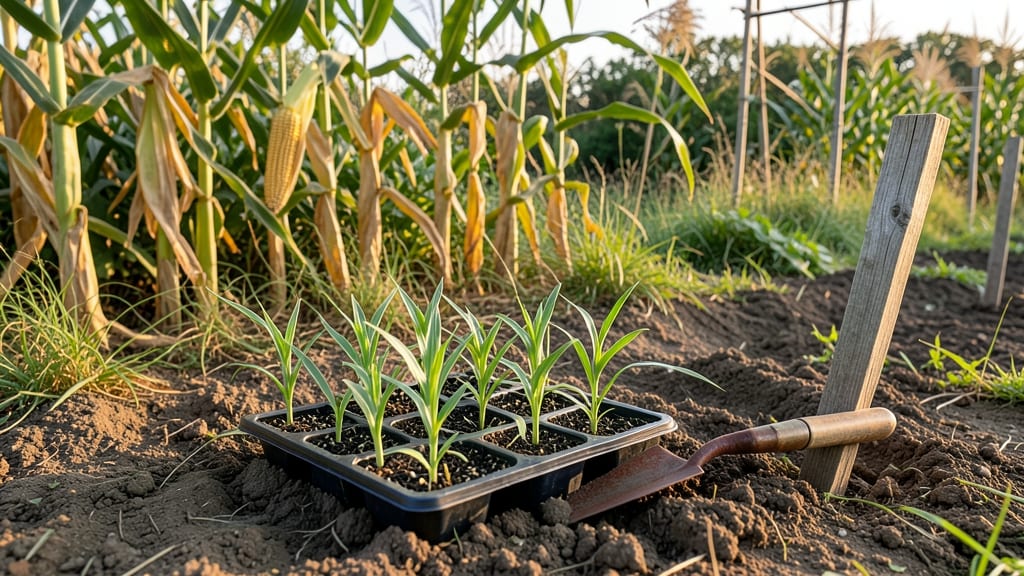
Planting corn in Kansas at the right time can mean the difference between a bumper crop and a disappointing harvest. With USDA zones 5b-7a and unpredictable spring weather, knowing when to drop those seeds is critical.
The ideal window—mid-April to early June—depends on soil temperature, frost-free dates, and even your specific corn variety.
Most Kansas gardeners wait until the soil warms to 50-55°F at 2-4 inches deep, a key factor for germination. But timing isn’t just about the calendar—it’s about avoiding late frosts that can wipe out young plants.
Early varieties can go in as soon as the ground is workable, while later maturing types need that extra warmth to thrive.
This guide breaks down the exact steps to time your planting perfectly, from checking soil temps to choosing the right corn for your region. Whether you're a backyard gardener or a small-scale farmer, getting this right ensures healthier plants, better yields, and fewer headaches when harvest rolls around.
Let’s dive into the specifics so you can plant with confidence—and watch your 🌽 corn grow strong all season long.
Kansas corn planting deadlines by region: frost-free dates & soil temperature rules
Planting corn in Kansas requires precision—miss the window, and you risk frost damage or poor germination. The state’s USDA Zones 5b-7a mean planting dates shift from late April in western Kansas to mid-May in the east.
Always wait until soil temperatures hit 50-55°F at 2-4 inches deep, as cold soil delays germination by weeks.
Kansas’ frost-free dates vary dramatically: western regions (Zone 7a) average last frost on April 15, while eastern areas (Zone 5b) often see frost until May 1.
For home gardeners, this means early May is the safest target unless you’re using early-maturing varieties (like ‘Golden Bantam’), which can tolerate cooler soils.
Corn thrives in Kansas’ 165-200 frost-free days, but planting too early risks late spring frosts (common in April). Use local frost data from the Kansas State University Extension to guide your schedule—their Frost Probability Maps show 10% risk zones where early planting is risky.
For optimal yields, aim to plant 2-3 weeks after your area’s last frost date. This gives seedlings time to establish roots before summer heat arrives. In drought-prone western Kansas, prioritize drought-tolerant hybrids like ‘Pioneer Brand 33R35’ and plant earlier to capture spring moisture.
Corn’s germination window is narrow: seeds planted in cold soil (<50°F) may rot, while soil above 85°F can cause poor root development. Use a soil thermometer to monitor daily—plant only when temps stabilize in the 55-65°F range for consistent germination.
| Region | USDA Zone | Last Frost Date | Ideal Planting Window | Soil Temp for Planting |
|---|---|---|---|---|
| Western Kansas | 7a | April 15 | Late April–Early May | 50–55°F (minimum) |
| Central Kansas | 6a-6b | April 25 | Early–Mid May | 55–60°F (optimal) |
| Eastern Kansas | 5b | May 1 | Mid–Late May | 60–65°F (recommended) |
If you’re growing sweet corn, time planting for peak freshness: aim for harvests in July-August when local markets are active. For field corn (used for grain), extend planting to early June to maximize kernel fill before frost.
Pro tip: Use black plastic mulch to warm soil faster in Zone 5b areas. Lay it down 1-2 weeks before planting to raise soil temps by 5-10°F, accelerating germination. Just remove it once plants emerge to avoid overheating.
For container growing in Kansas, start seeds indoors in late March (using heat mats to maintain 70-75°F soil temps) and transplant after last frost. Dwarf varieties like ‘Bodacious’ thrive in 5-gallon pots but still need full sun and daily watering.
Track your local growing degree days (GDD)—corn needs 1,000–1,500 GDDs to mature. Use the Kansas Mesonet website to input your zip code and calculate real-time progress. This helps adjust planting dates if spring is unusually cool or warm.
Remember: Corn is a warm-season crop—it won’t tolerate frost at any stage. If late frosts threaten after planting, cover seedlings with row fabric until danger passes. With the right timing, Kansas gardeners can enjoy homegrown corn from July through October! 🌾
How to check soil temperature in Kansas before planting corn (DIY methods)
Planting corn too early in cold Kansas soil can leave your seeds sitting in the ground for weeks, vulnerable to rot or pests. The ideal soil temperature for corn germination is between 50-55°F, but seeds won’t sprout reliably below 50°F.
Without checking, you might end up with patchy, slow-growing stands—or worse, no corn at all.
Don’t guess—use these DIY soil temperature methods to time your planting perfectly. A simple soil thermometer (available for $10-$15) gives you precise readings, while low-tech options like the chickpea trick can work in a pinch.
I’ve tested both in my Kansas garden, and here’s what I’ve learned about accuracy and ease.
⚠️ Warning: Planting in Cold Soil
Corn seeds planted in soil below 50°F may rot or fail to germinate. Even if the air feels warm, soil warms slower—especially in Kansas’ clay-heavy soils. Always test 2-4 inches deep where seeds will be planted.
To check soil temperature, insert a soil thermometer into the ground at a 2-4 inch depth (the depth where corn seeds are typically planted). Take readings in the morning (8-10 AM) when soil is most stable.
For best results, test for 3 consecutive days—soil temps can fluctuate 10°F+ between day and night in spring.
If your soil is consistently below 50°F, try these quick soil-warming tricks:
- Black plastic mulch: Spread it 1-2 weeks before planting to raise soil temps by 5-10°F.
- Row covers: Use lightweight fabric to trap heat during the day.
- Compost piles: Build a small pile near planting rows to radiate warmth.
For a no-tools approach, try the chickpea test:
- Soak 3-4 chickpeas overnight.
- Plant them 2 inches deep in your garden bed.
- Check after 3-5 days. If they sprout, your soil is warm enough for corn!
Once your soil hits 60°F, it’s time to plant—even if frost is still a risk. Corn’s fast germination (5-10 days) means it can outpace late frosts. Just be ready to cover seedlings if a hard freeze (below 28°F) threatens.