
Companion Plants
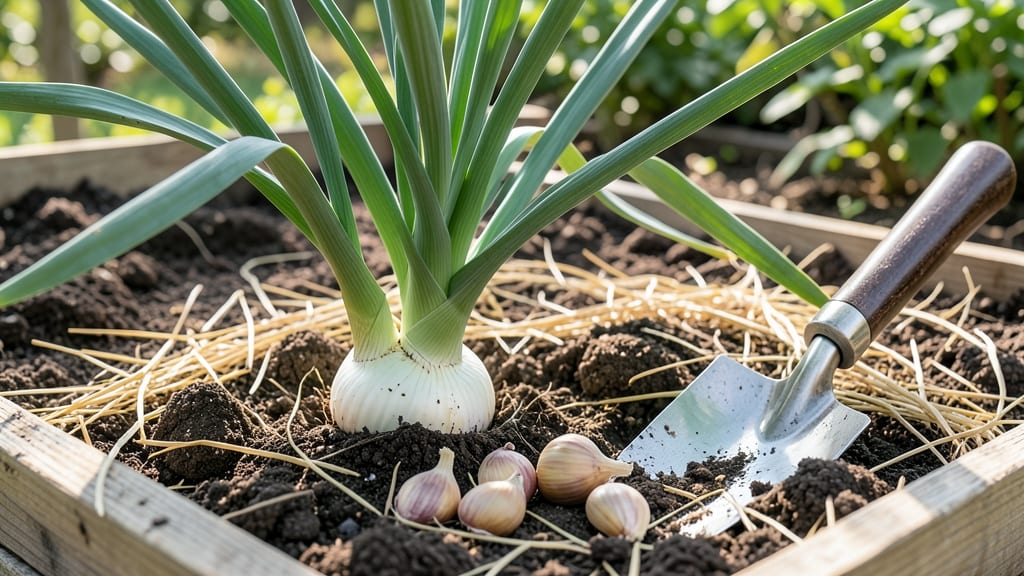
If you're wondering when to plant garlic in Melbourne, timing is the secret to growing those plump, flavorful bulbs you crave. The ideal window is narrow—miss it, and you might end up with stunted cloves or even frost damage.
Melbourne’s 9b climate gives us two chances: autumn and spring, but autumn planting is the gold standard for most gardeners here.
Most gardeners swear by planting garlic between April and May—just as the days grow shorter and temperatures cool. This gives the 🧄 enough time to establish roots before winter sets in, while still avoiding the risk of early frosts that can ruin tender shoots.
But what if you’re new to garlic growing? Don’t worry—I’ll walk you through exactly how to time your planting for Melbourne’s tricky weather, so you can enjoy a bumper harvest by next autumn.
Here’s the kicker: Melbourne’s coastal areas and inland zones can have wildly different frost risks, meaning your neighbor’s perfect timing might not work for you. I’ll break down how to adjust your schedule based on your local microclimate, so you’re not left guessing whether your garlic will thrive or wither.
Let’s get those cloves in the ground at the right time for perfect bulbs every season.
Once you’ve mastered the timing, we’ll cover everything else—from soil prep to protecting your crop from unexpected cold snaps. By the end, you’ll know exactly when to plant, how to care for your garlic, and when to harvest for the juiciest, most flavorful bulbs Melbourne has to offer.
Ready to grow garlic like a pro?
Best planting months for garlic in Melbourne’s climate zones
Garlic thrives in Melbourne’s cool autumn and spring seasons, but the city’s microclimates mean planting times vary. Coastal areas like St Kilda have milder winters, while inland regions like Melton face earlier frosts.
Aim for April to May for autumn planting or September to October for spring—both windows align with Melbourne’s USDA Zone 9b frost-free periods.
Autumn planting (April-May) gives garlic 6-8 months to establish before summer dormancy. Spring planting (September-October) risks heat stress if planted too late. Always check local frost forecasts—Melbourne’s last frost typically occurs around June 15, and first frosts arrive by August 15.
Planting too early exposes cloves to frost damage.
Soil temperature is critical: garlic needs 10-20°C (50-68°F) for root growth. In Melbourne, soil warms to this range by late March, making April the safest start. Use a soil thermometer to confirm—if soil is cooler than 10°C, wait 2-3 weeks before planting.
Melbourne’s three distinct zones require tailored timing: coastal areas (like Brighton) can plant 1-2 weeks earlier than inland zones (like Sunbury). Mountain regions (e.g., Dandenongs) need earlier autumn planting to avoid winter frosts. Adjust your schedule by 10-14 days based on your local elevation.
For hardneck varieties (like Silverskin), prioritize autumn planting—they need cold vernalization to form bulbs. Softneck varieties (like Artichoke) are more flexible but still prefer cool soil for bulb initiation. Always choose locally adapted varieties for Melbourne’s climate.
| Zone | Ideal Planting Window | Soil Temp Requirement | Frost Risk | Best Variety |
|---|---|---|---|---|
| Coastal (e.g., St Kilda) | April 15 - May 10 | 12-18°C (54-64°F) | Low (last frost June 20) | Silverskin, Artichoke |
| Inland (e.g., Sunbury) | April 1 - April 20 | 10-16°C (50-61°F) | Moderate (last frost June 10) | Purple Stripe, Rocambole |
| Mountain (e.g., Dandenongs) | March 20 - April 5 | 8-14°C (46-57°F) | High (last frost May 30) | Creole, German White |
Melbourne’s unpredictable autumn rains can delay planting. If soil becomes waterlogged, wait until it drains and warms to 12°C (54°F). Use a raised bed in heavy clay soils to improve drainage and warmth.
Coastal gardeners should also watch for salt spray, which can stress garlic—rinse beds with fresh water if salinity is high.
Spring planting (September-October) is riskier but works for softneck varieties. Plant by September 15 to avoid summer heat. Mulch with straw or lucerne hay to retain moisture and cool roots. Inland areas should prioritize shade cloth during peak summer to prevent bolting (premature flowering).
For maximum bulb size, aim to harvest garlic before Melbourne’s first frost (August 15)
How to adjust your planting schedule for Melbourne’s weather patterns
Melbourne’s weather is famously fickle—one day it’s sunny, the next a surprise frost hits. For garlic, this means your planting schedule needs flexibility. Autumn planting (April-May) is ideal, but if an early frost is forecasted, delay until soil temperatures drop below 15°C (59°F).
Inland areas like Bendigo may need to plant 1-2 weeks earlier than coastal regions like St Kilda, where milder winters extend the window.
Spring planting (September-October) is riskier due to Melbourne’s unpredictable heatwaves. If temperatures soar above 30°C (86°F) before cloves sprout, cover them with shade cloth until soil cools. Hardneck varieties like ‘German White’ tolerate cooler temps better than softneck types like ‘Silverskin’, making them safer bets for Melbourne’s variable climate.
🚨 CRITICAL: Check the Bureau of Meteorology’s frost forecasts 2 weeks before planting. If frost is predicted within 3-4 weeks of planting, shift your schedule to avoid stunted growth. Coastal gardeners can often push planting to early June, while inland growers should stick to April-May for safety.
⚠️ Watch for These Melbourne-Specific Risks
- False springs: Warm patches in autumn can trick garlic into sprouting early—only plant when nights stay consistently below 10°C (50°F).
- Sudden frosts: Even coastal areas can drop to -2°C (28°F) in winter. Use frost blankets for extra protection.
- Heat stress: Spring-planted garlic may bolt if temps exceed 25°C (77°F) for prolonged periods.
Pro tip: Plant ‘Creole’ garlic—it’s the most frost-hardy variety for Melbourne’s conditions.
Rainfall also plays a role. Melbourne averages 600mm/year, but heavy autumn rains can waterlog soil. Amend clay-heavy areas with gypsum or compost to improve drainage. If your region faces drought (like in 2019-2020), prioritize drip irrigation to keep soil moist without overwatering.
For container growing, adjust timing by 2-3 weeks earlier—pots heat up faster and dry out quicker. Place containers in partial shade during Melbourne’s January-February heatwaves to prevent stress. ‘Artichoke’ garlic is a great choice for containers due to its smaller size and adaptability.
Finally, keep a gardening journal to track Melbourne’s microclimates. Note when frost hits your specific suburb and adjust next year’s planting date accordingly. Over time, you’ll fine-tune your schedule to outsmart Melbourne’s weather—just like the pros at Melbourne’s Field Days!