
Companion Plants
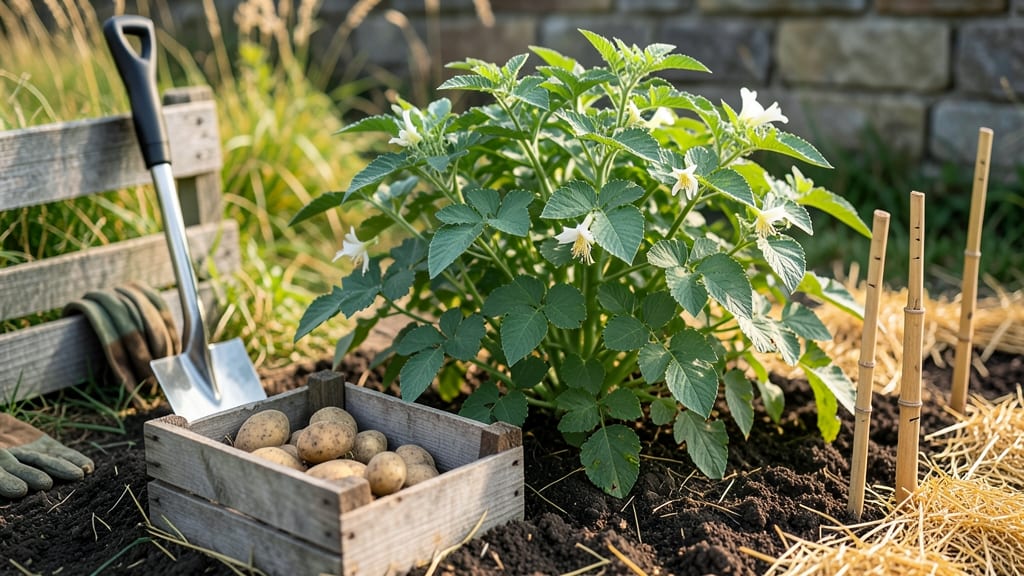
If you're wondering when to plant potatoes in Ohio, timing is everything—especially when Ohio’s spring weather can swing from icy cold to warm in a matter of days. Planting too early risks frost damage to your 🥔 sprouts, while waiting too long might mean missing the ideal harvest window.
The key is knowing when the soil warms up and the last frost has passed, which varies by region in Ohio’s USDA Zones 5-8.
Most Ohio gardeners aim to plant potatoes 2-4 weeks before the last frost date, typically between early March and mid-April. But with Ohio’s unpredictable climate, checking soil temperature (aim for 45°F+) and watching for consistent daytime warmth is just as important as following a calendar.
Cold snaps in late April can still threaten young plants, so flexibility is your best friend.
In this guide, I’ll break down the exact weeks to plant based on Ohio’s microclimates, from the colder northern zones to the milder southern regions.
You’ll also learn how to test soil readiness and adjust for heavy clay or sandy soils—because even the best-laid plans can go sideways if the ground is still too cold or soggy.
Ready to grow a bountiful potato harvest? Let’s dive into the frost-free planting checklist that’ll help you time it just right—no guesswork required.
Ohio’s frost-free planting zones: when to plant potatoes by week
Ohio’s last frost dates vary dramatically from southern counties (like Hamilton) to northern regions (like Ashtabula), making a one-size-fits-all approach risky. For example, Cincinnati typically sees its last frost around April 1st, while Cleveland often waits until May 1st.
This 3-week difference can mean the difference between a thriving potato patch and stunted growth.
Potatoes thrive in soil temperatures above 45°F, which is why I always check my local USDA Zone 5-6 averages before planting. In Ohio’s Zone 5b (most of the state), aim to plant 2-4 weeks before your area’s last frost date.
For Zone 6a (southwest Ohio), you can push planting to early March for early varieties.
Here’s the week-by-week breakdown of when to plant potatoes across Ohio’s key regions, based on historical data and soil warming trends:
For early varieties like ‘Yukon Gold’, I often start planting in late February under row covers or in a greenhouse. This gives them a head start and extends Ohio’s short growing season by 2-3 weeks.
If you’re in Zone 5b, aim to have sprouts 2-3 inches tall before the last frost hits.
Ohio’s unpredictable spring weather means I never rely solely on dates. I always check the National Weather Service’s frost prediction maps and adjust my planting schedule accordingly. For example, if April showers keep soil too cold, I’ll delay planting until soil temperatures stabilize above 50°F.
Another trick I use is staggered planting: I plant a batch of early varieties in March, followed by mid-season potatoes 2 weeks later, and late varieties in early April. This ensures a continuous harvest from June through August, even if Ohio’s weather throws curveballs.
If you’re in northern Ohio and miss the spring window, don’t despair—you can still plant late-season varieties in early June for a fall harvest. Just be prepared for smaller yields, as potatoes need 90-120 days to mature.
For urban
Signs your Ohio soil is ready for potatoes (beyond the calendar)
Ohio’s spring weather can be as unpredictable as a rollercoaster—one day sunny, the next a freeze warning. Relying solely on the calendar means risking frost damage or planting too late. Instead, use these field-tested signs to confirm your soil is truly ready for potatoes, not just the date.
First, check soil temperature. Potatoes thrive when soil reaches 45°F or warmer. Stick your finger about 4 inches deep—if it feels warm to the touch (like a lukewarm bath), your soil is ready. Cold soil slows germination, leaving your seed potatoes rotten in the ground.
Next, test moisture levels. Press a handful of soil—it should crumble slightly but not be damp or muddy. Ohio’s clay-heavy soils often stay soggy too long, stunting growth. Amend with compost or sand if it feels like packing snow.
⚠️ WARNING: Heavy clay vs. sandy soils change everything
Don’t ignore sprout emergence either. If your seed potatoes sprout indoors (place them in a sunny window in February), wait until those sprouts are ½-inch long before planting. This ensures they’re hardened off and ready to brave Ohio’s unpredictable chill.
For late starters, use row covers or cold frames to extend Ohio’s short growing season by 2–3 weeks. These create a mini greenhouse, trapping warmth and shielding young plants from late frosts that sneak in until mid-April.
Pro tip: Plant early varieties like ‘Yukon Gold’ first—they tolerate cooler soils better. If your soil still feels chilly or soggy by mid-April, wait. A bountiful harvest is worth the extra patience! 🌱