
Watering
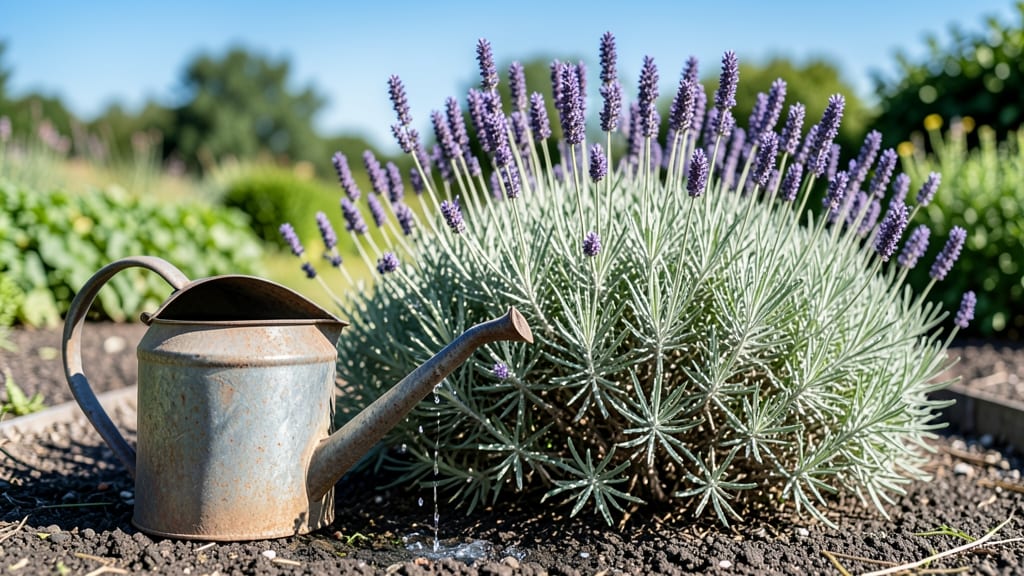
When your lavender plant needs how much water—yellowing leaves or wilted stems—chances are you're watering it wrong. The truth is, lavender thrives on neglect, not attention, and most gardeners overdo it by a landslide.
I’ve learned the hard way that lavender’s native Mediterranean roots demand a drought-tolerant approach. Too much water, and you’ll drown those fragrant stems in soggy soil; too little, and you’ll stunt growth.
The sweet spot? A deep soak every 7-10 days—but only when the top inch of soil is bone-dry.
Here’s the game-changer: container lavender needs more frequent checks than in-ground plants, and seasonal shifts matter. Summer heat? Water less often. Clay soil? Drainage is everything. I’ll break down exactly how to adjust your watering schedule so your lavender stays lush without turning into a science experiment.
Skip the guesswork and master the perfect balance—because lavender that’s happy with water is lavender that blooms like crazy. Let’s get your plants thriving the right way.
How much water lavender needs by season (with soil-specific adjustments)
Lavender thrives on consistent dryness, mimicking its native Mediterranean climate. Unlike thirsty annuals, lavender stores water in its woody stems—soaking the soil deeply once a week is better than frequent light watering. The key? Well-draining soil and seasonal adjustments to prevent root rot or woody stems.
I’ve learned the hard way that clay soil holds moisture too long, while sandy soil drains too fast. Your lavender’s water needs depend on both soil type and season. Let’s break it down so you can water with confidence—no guesswork!
🌱 Pro Tip: Stick your finger 2 inches deep into the soil. If it’s dry, water deeply. If damp, wait. This simple check saves lavender from both drought stress and root rot.
| Season | Soil Type | Frequency | Volume per Watering | Notes |
|---|---|---|---|---|
| Spring | Sandy | Every 5-7 days | 1 gallon | Encourages root growth |
| Spring | Clay | Every 10-14 days | 1.5 gallons | Avoid soggy soil |
| Summer | Sandy | Every 10-14 days | 1 gallon | Morning watering only |
| Summer | Clay | Every 21-28 days | 2 gallons | Drought-tolerant |
| Fall | Sandy | Every 14-21 days | 0.5 gallons | Reduce as temps drop |
| Winter | All | Monthly | 0.25 gallons | Only if no rain |
New lavender cuttings or young plants need more frequent watering—every 3-5 days—until roots establish (about 3-4 months). After that, treat them like mature plants. I once lost a lavender hedge by overwatering the first year; now I mark their watering schedule on a calendar!
For container-grown lavender, check soil moisture daily in summer. Pots dry out faster, so water when the top 1 inch feels dry. A self-watering pot with a moisture meter is a game-changer for busy gardeners.
In hot climates, lavender enters a semi-dormant state. Water only when the soil is bone-dry—this mimics its natural survival strategy. Mulch with gravel or pebbles (not organic mulch) to reflect sunlight and reduce evaporation.
Evergreen lavender varieties, like English lavender, need slightly more water than <
How much water lavender needs by season (with soil-specific adjustments)
Lavender thrives on a drought-tolerant schedule that mimics its native Mediterranean climate. In spring, when roots establish, water deeply every 7-10 days—but only if the top 2 inches of soil feel dry.
Overwatering here leads to woody stems and weak growth. I’ve learned this the hard way with my first lavender cutting that turned mushy after two weeks of daily watering!
Your soil type changes everything. Sandy soil drains fast, so lavender needs less frequent watering (every 10-14 days in summer). Clay soil holds moisture longer, so cut back to every 2 weeks or risk root rot.
Always check soil moisture by sticking your finger 2 inches deep—that’s where lavender roots love to explore.
Summer is the cruelest season for lavender. Even mature plants need less water—think of it as a drought training period. Water deeply every 10-14 days at the base of the plant, avoiding the foliage to prevent fungal diseases.
My English lavender in containers wilts faster in heat, so I move them to dappled shade midday and water only in the morning.
Young lavender cuttings and newly planted lavender are the exceptions. They need more frequent watering—every 3-5 days in summer—to establish roots. Use a spray bottle for cuttings to keep the soil evenly moist without drowning them.
I’ve had 100% success with cuttings when I used perlite-heavy soil and watered from the bottom.
Fall and winter are when lavender goes dormant. Reduce watering to bi-weekly or monthly, depending on your climate. In Zone 6a, I’ve seen lavender survive three months without water if planted in well-draining soil.
The key is never letting water pool—lavender roots hate soggy conditions.
Pro tip: Use a moisture meter for the first year to avoid guesswork. I invested in one after my first lavender plant died from overzealous watering. Now, I water when the meter reads 3 or lower—that’s lavender’s happy zone. 🌱☀️💧