
Plants
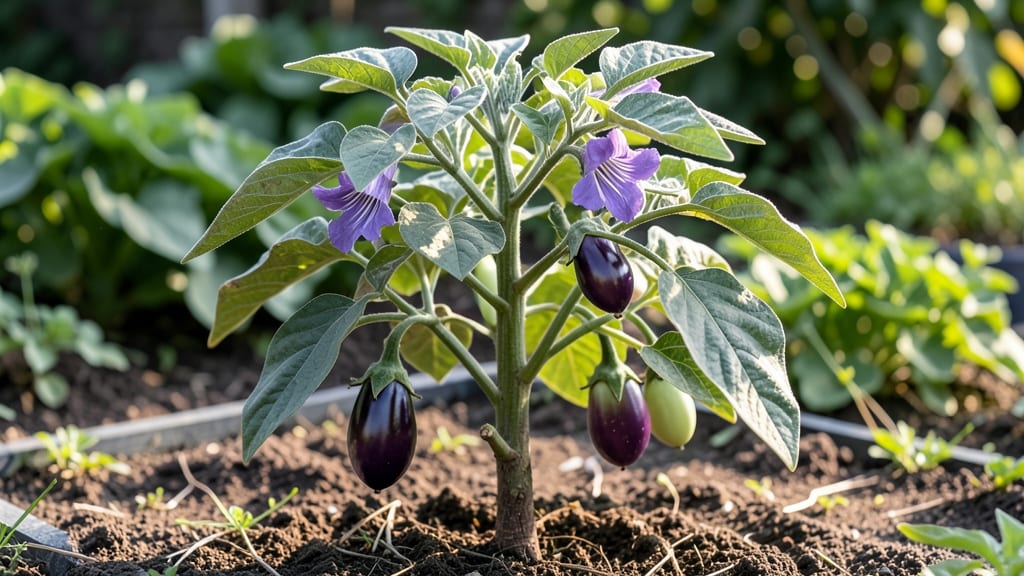
If you're wondering how tall do eggplant plants grow, the answer might surprise you—especially if you're working with limited garden space. While some varieties can reach up to 4 feet tall, others stay compact at just 1-2 feet, making them perfect for containers or small gardens.
Eggplants like 🍆 Fairy Tale or Patio Baby prove that you don’t need acres to grow these versatile veggies. These dwarf varieties thrive in pots, balconies, or even sunny windowsills, so long as they get enough sunlight and proper care.
Whether you're a city dweller or a space-conscious gardener, there's an eggplant size for you.
But what if you love traditional eggplants? No worries—standard varieties can still be managed with smart pruning or trellising techniques. The key is understanding your space and choosing the right type. I’ll show you how to maximize your harvest, no matter how big (or small) your garden is.
Ready to grow eggplants without the space struggle? Let’s break down the height differences, space needs, and tips to keep your plants happy—whether they’re towering or staying tiny. Your garden (and your dinner plate) will thank you!


Eggplant height ranges: standard vs. compact varieties explained
Eggplant plants vary dramatically in height, from compact bush varieties under 2 feet to towering vining types reaching 5 feet or more. The average height range for most standard eggplants falls between 3 and 4 feet, but some heirloom and hybrid varieties can stretch beyond that.
Understanding these differences helps you choose the right variety for your space—whether you're working with a balcony garden or a backyard plot.
Height isn't just about space—it also affects sunlight exposure, pruning needs, and even fruit production. Taller varieties often produce more fruit but require staking or trellising, while dwarf types yield smaller harvests but thrive in containers.
Let's break down the key categories so you can pick the perfect fit for your garden setup.
🌱
Eggplant Height Comparison
| Variety Type | Mature Height | Growth Habit | Space Needs | Pruning Needs |
|---|---|---|---|---|
| Dwarf/Bush | 1–2 feet | Compact, rounded | Containers, small plots, or 12" spacing | Minimal (remove suckers) |
| Semi-Dwarf | 2–3 feet | Bushy but slightly taller | 18" spacing or small trellis | Light pruning for airflow |
| Standard | 3–4 feet | Vining, sprawling | 24–36" spacing or trellis | Moderate (train vines) |
| Tall/Heirloom | 4–5+ feet | Aggressive vining | Trellis or wide spacing | Heavy pruning required |
Standard eggplant varieties like 'Black Beauty' or 'Ichiban' typically reach 3–4 feet tall and spread widely, making them ideal for garden beds with ample space. These types require 6–8 hours of sunlight daily and benefit from staking or cages to support their weight.
If you're growing them in containers, choose large pots (at least 12–15 gallons) to accommodate their root systems.
On the other hand, dwarf varieties such as 'Fairy Tale' or 'Patio Baby' stay under 2 feet tall and are perfect for balcony gardens, windowsills, or small raised beds. These compact plants produce smaller fruit (often 4–6 inches long) but thrive in 5-gallon containers with minimal care.
Their bushy growth habit also makes them more resistant to wind damage and pests like aphids.
If you're short on space but want to grow taller varieties, consider vertical training techniques. Trellising or using tomato cages can reduce the sprawling habit of standard eggplants by 30–50%.
This not only saves space but also improves air circulation, reducing the risk of fungal diseases like powdery mildew. Just be sure to prune regularly to encourage upward growth rather than outward sprawling.
Another factor to consider is fruit production. Taller varieties often produce more fruit, but their yield per square foot may be lower due to space requirements. For example, a 4-foot-tall eggplant might produce 10–15 fruits per plant but requires 9 square feet of space if grown without support.
In contrast, a 2-foot dwarf yields 5–8 fruits per plant but fits neatly in 1 square foot of space.
For urban gardeners or apartment dwellers, dwarf varieties are a game-changer. They allow you to grow eggplants on patios, decks, or even indoors near south-facing windows with a grow light.
Just ensure your container has drainage holes and use a lightweight potting mix to prevent root rot. With the right variety, you can enjoy fresh eggplants without sacrificing your small-space living area!
🌿
Eggplant height ranges: standard vs. compact varieties explained
Eggplant plants come in a surprising range of heights, from compact bush varieties under 2 feet to vining giants reaching 5 feet or taller. The height you’ll see depends entirely on the variety you choose, as well as how you train and prune the plant.
For example, my 'Black Beauty' eggplants towered at 4 feet last summer, while my 'Fairy Tale' dwarf variety stayed neatly under 18 inches—perfect for my balcony pots!
Understanding these differences is key to planning your garden layout. Standard varieties like 'Black Beauty' or 'Ichiban' grow 3–5 feet tall and need ample space for sprawling branches.
Meanwhile, bush or dwarf varieties like 'Patio Baby' or 'Tiny Tim' max out at 1–2 feet, making them ideal for containers or small plots. Even the height affects how much sunlight and airflow your plants need!
Height directly impacts yield potential. Taller varieties often produce more fruit but require staking or trellising to prevent sprawling. Compact varieties yield fewer fruits but thrive in tight spaces without extra support. I’ve found that dwarf varieties are surprisingly productive when given proper care—my 'Fairy Tale' plants gave me 12–15 eggplants per plant in 5-gallon pots!
| Variety Type | Mature Height | Space Needs | Sunlight Needs | Pruning Needs |
|---|---|---|---|---|
| Standard (e.g., Black Beauty) | 3–5 ft | 2–3 ft diameter | Full sun (6–8 hrs) | Moderate (remove suckers) |
| Semi-Dwarf (e.g., Ichiban) | 2–3 ft | 1.5–2 ft diameter | Full sun (6–8 hrs) | Light (prune tips) |
| Dwarf (e.g., Fairy Tale) | 1–2 ft | 1 ft diameter | Full sun (6–8 hrs) | Minimal (none needed) |
If you’re growing eggplants in containers or small spaces, choose bush or dwarf varieties to avoid overcrowding. These compact plants also mature faster—some dwarf varieties can produce fruit in as few as 60 days!
For taller varieties, I recommend pruning regularly to encourage bushier growth and prevent disease by improving airflow. Just avoid cutting into the main stem, as this can stunt the plant.
Another factor to consider is soil depth and pot size. Standard varieties need at least 12–18 inches of soil depth, while dwarf varieties thrive in 5–10 gallon containers.
I’ve had great success with self-watering pots for my dwarf eggplants, as they help maintain consistent moisture—critical for these thirsty plants! Always use well-draining soil mixed with compost to support healthy root growth.
For gardeners with limited space, vertical training is a game-changer. Even standard varieties can be trained to grow upward on trellises or cages, saving valuable ground space. I use bamboo stakes and twine to guide my taller plants, and it’s made a huge difference in my small backyard garden.
Just be sure to secure the trellis early—eggplant stems can get woody and brittle as they mature!